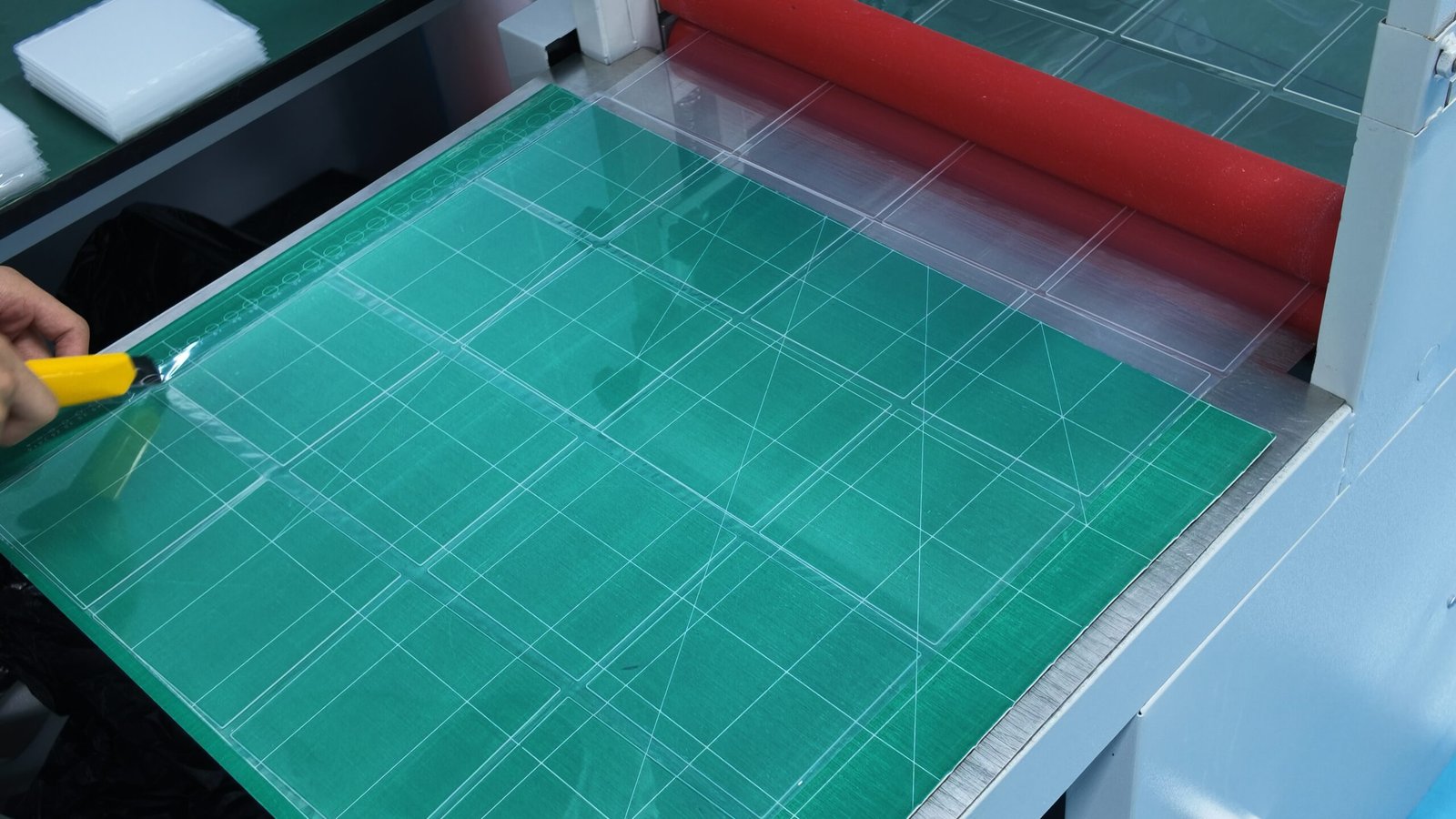
Glass Cover Plate Processing Case Study
For equipment windows, sensor protection covers and electronic component lids, we assess material, hole positions, edges, surfaces and assembly requirements together.
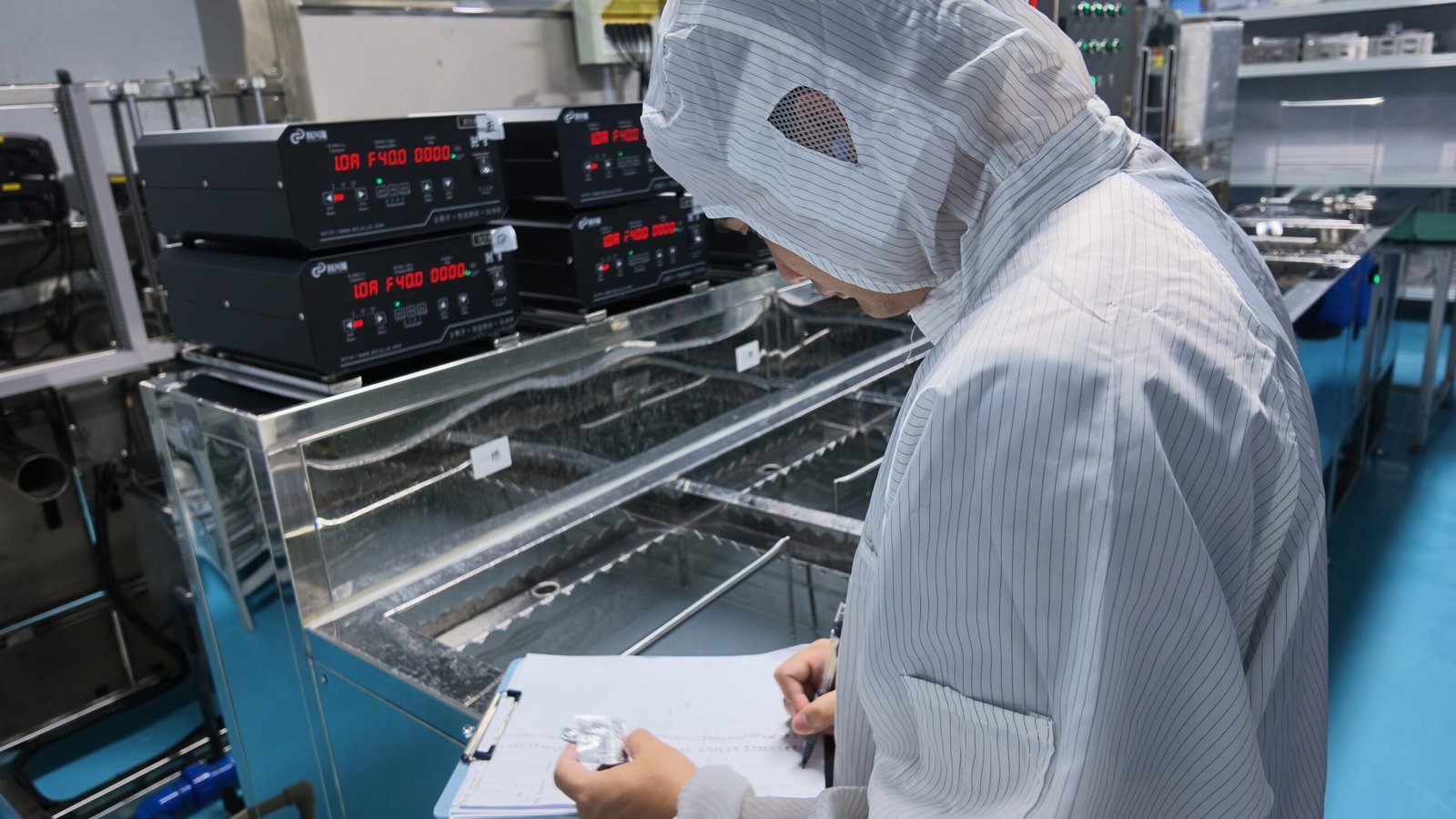
For equipment windows, sensor protection covers and electronic component lids, we assess material, hole positions, edges, surfaces and assembly requirements together.


A glass cover plate often does more than protect: it may also provide light transmission, sealing, positioning or insulation. Projects need to choose the material according to service temperature, operating band, assembly method and environmental conditions, and put hole positions, chamfers, surface and cleanliness requirements into one drawing.
Confirm the appropriate glass material from temperature, thermal expansion, transmission band, thickness and chemical environment.


Complete cutting, hole positions and custom profiles against the assembly datum, taking processing allowance and subsequent edge treatment into account.
Schedule lapping, polishing, edge grinding and chamfering according to the functional zones, with particular protection for the effective light-transmitting area.
Check dimensions, hole positions, edges and surface condition, and complete cleaning and packaging according to downstream coating, lamination or assembly requirements.
Send the drawing and key acceptance items and we will assess the project together with the material and process route.