Precision glass processing services
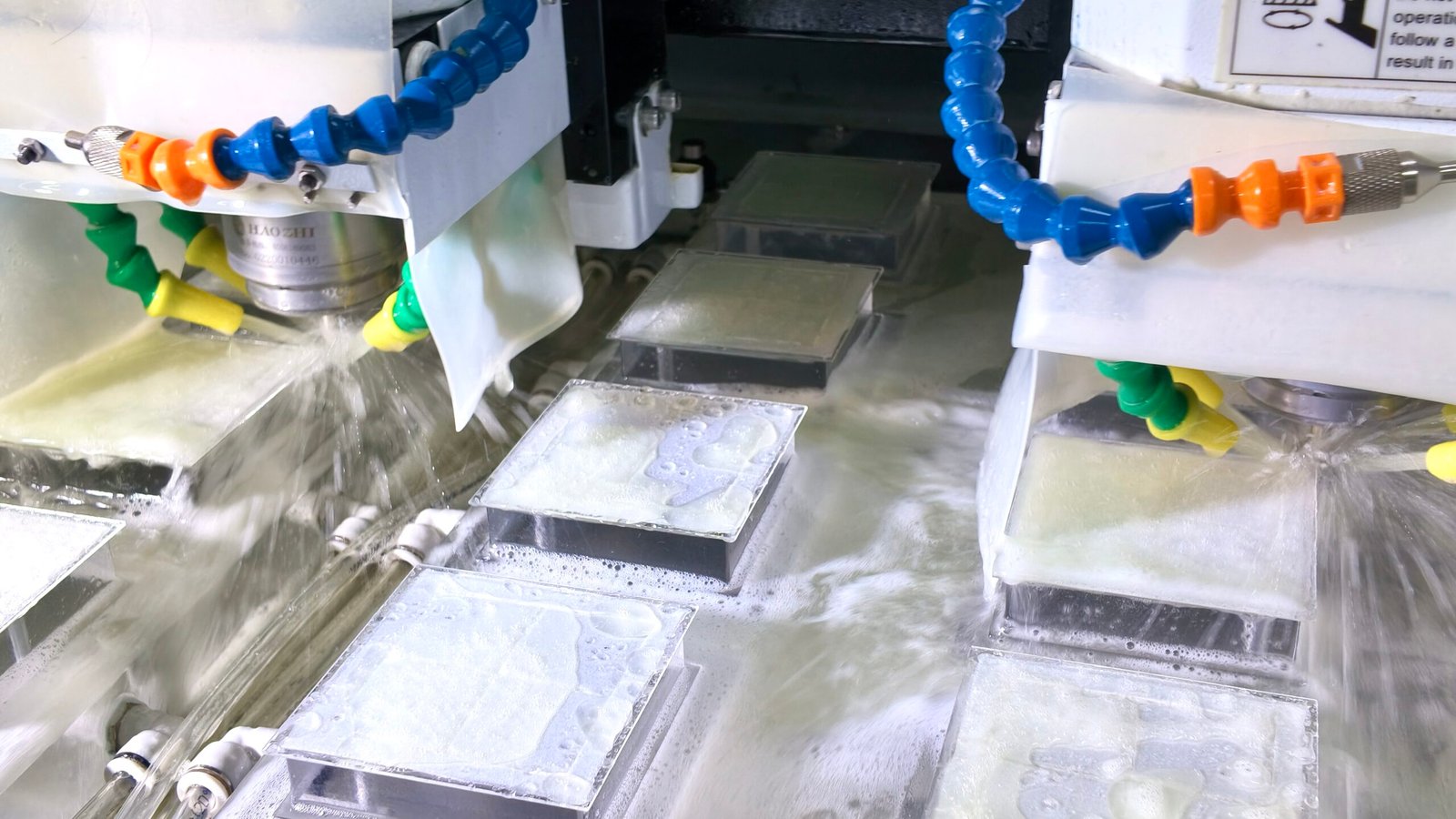
Glass Edge Grinding & Chamfering
Straight edges, chamfers, fillets and corner dressing for optical glass sheets, windows, substrates and precision glass parts.
Request a Material and Processing QuoteStraight edges, chamfers, fillets and corner dressing for optical glass sheets, windows, substrates and precision glass parts.
Request a Material and Processing QuoteTurning a glass edge from a cut state into an engineered edge that can be handled, assembled and inspected.
The edge determines handling safety, assembly fit and part of the mechanical reliability of a glass part. If sharp edges, micro-cracks and local chipping after cutting are not treated, they can continue to propagate during later polishing, cleaning or assembly.
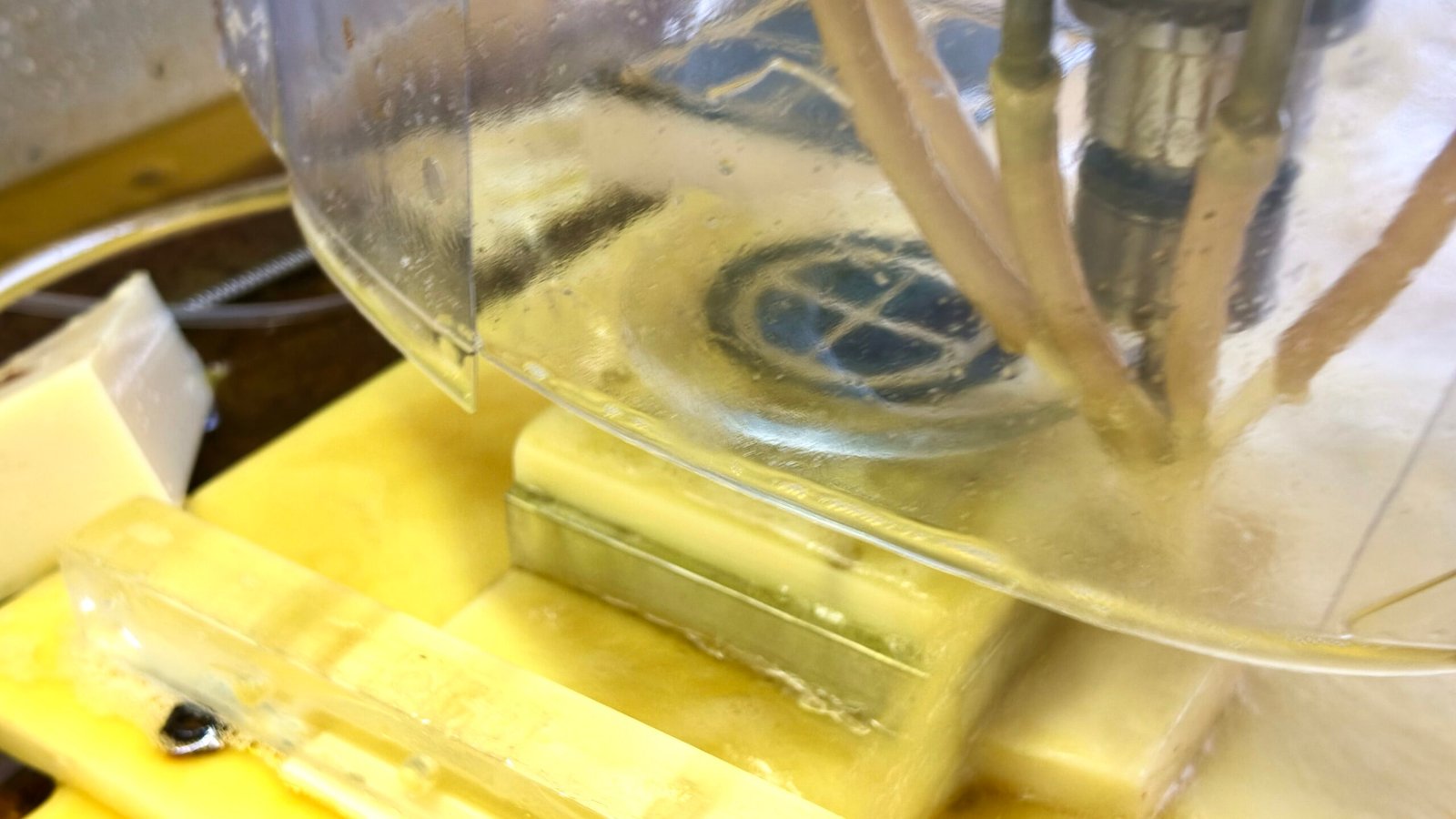
Common requirements include straight-edge grinding, 45° chamfers, fillets, corner rounding and local edge dressing. For assembly parts, chamfer width, angle, the relationship between edge and hole and the datum edge must also be specified.
Edge treatment is usually scheduled after cutting and before final cleaning; if the part needs high-grade surface polishing, the order of edge grinding and face polishing must be assessed.
Typical Parameters for Selection
| Edge form | Flat-ground straight edges, angled chamfers, fillets, rounded corners |
|---|---|
| Geometric definition | Defined by chamfer width, angle, fillet radius or finished profile |
| Edge quality | Permitted chipping, micro-cracks and chip extent can be defined |
| Corner treatment | Square, chamfered, rounded or specified local dressing |
| Datum | The edge can serve as a datum for later assembly or dimensional inspection |
| Delivery | After edge grinding, polishing, cleaning and full inspection can follow |
Every step establishes a verifiable input state for the next operation.
Identify functional edges, datum edges, chamfers/fillets and areas that must not be ground.
Remove sharp cut edges and obvious chips and establish the target profile.
Control edge dimensions, angles and corner condition.
Check chipping, cracks, chamfer continuity and critical dimensions.
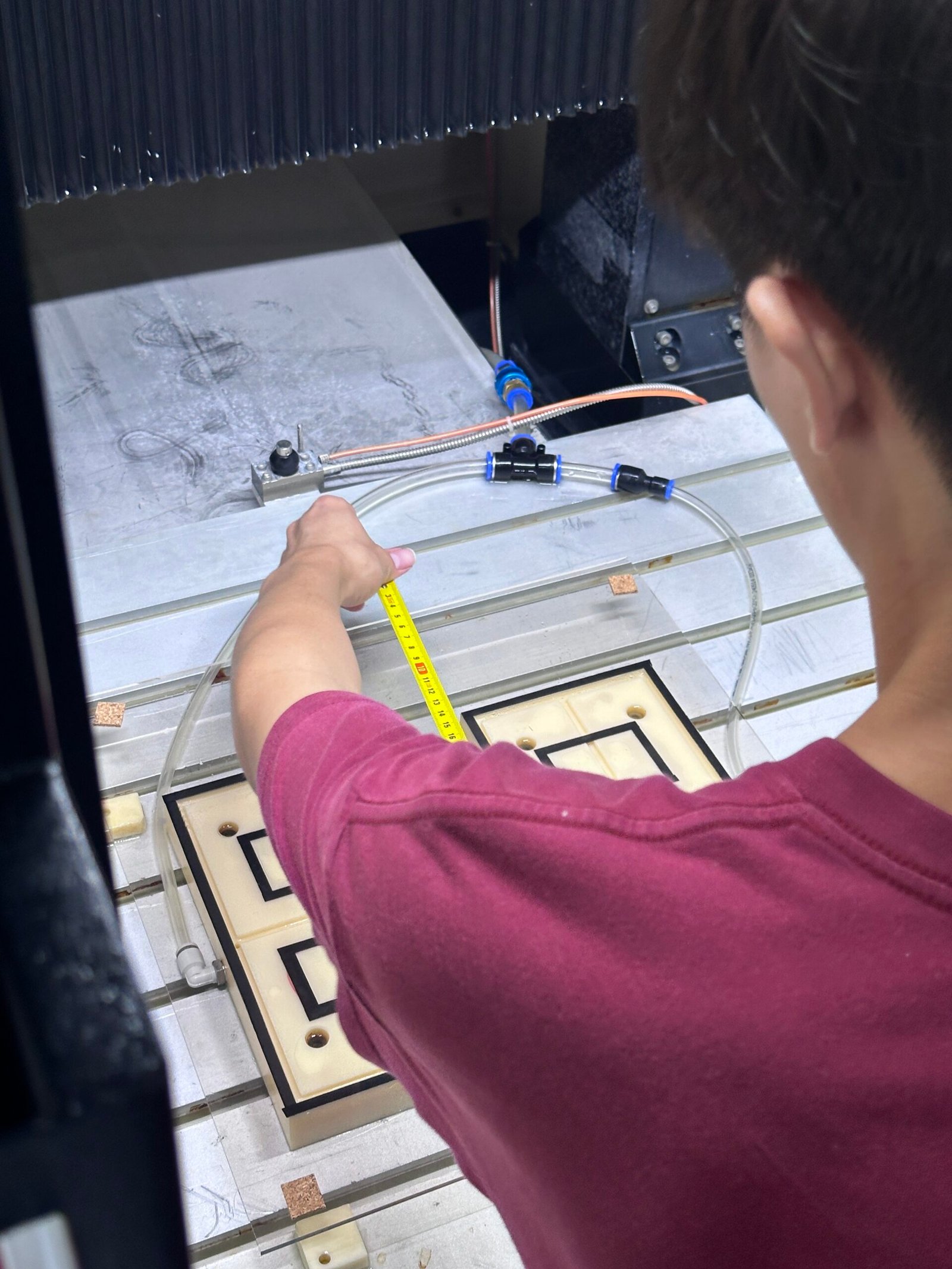
Thin sheets chip easily during handling and at local load points, while thick plates place more emphasis on chamfer consistency, edge perpendicularity and grinding allowance. Edge design must be assessed together with material thickness and the final assembly method.
Send Material and Drawing Requirements →Turning a service page from an equipment list into the quality control logic engineers actually ask about.
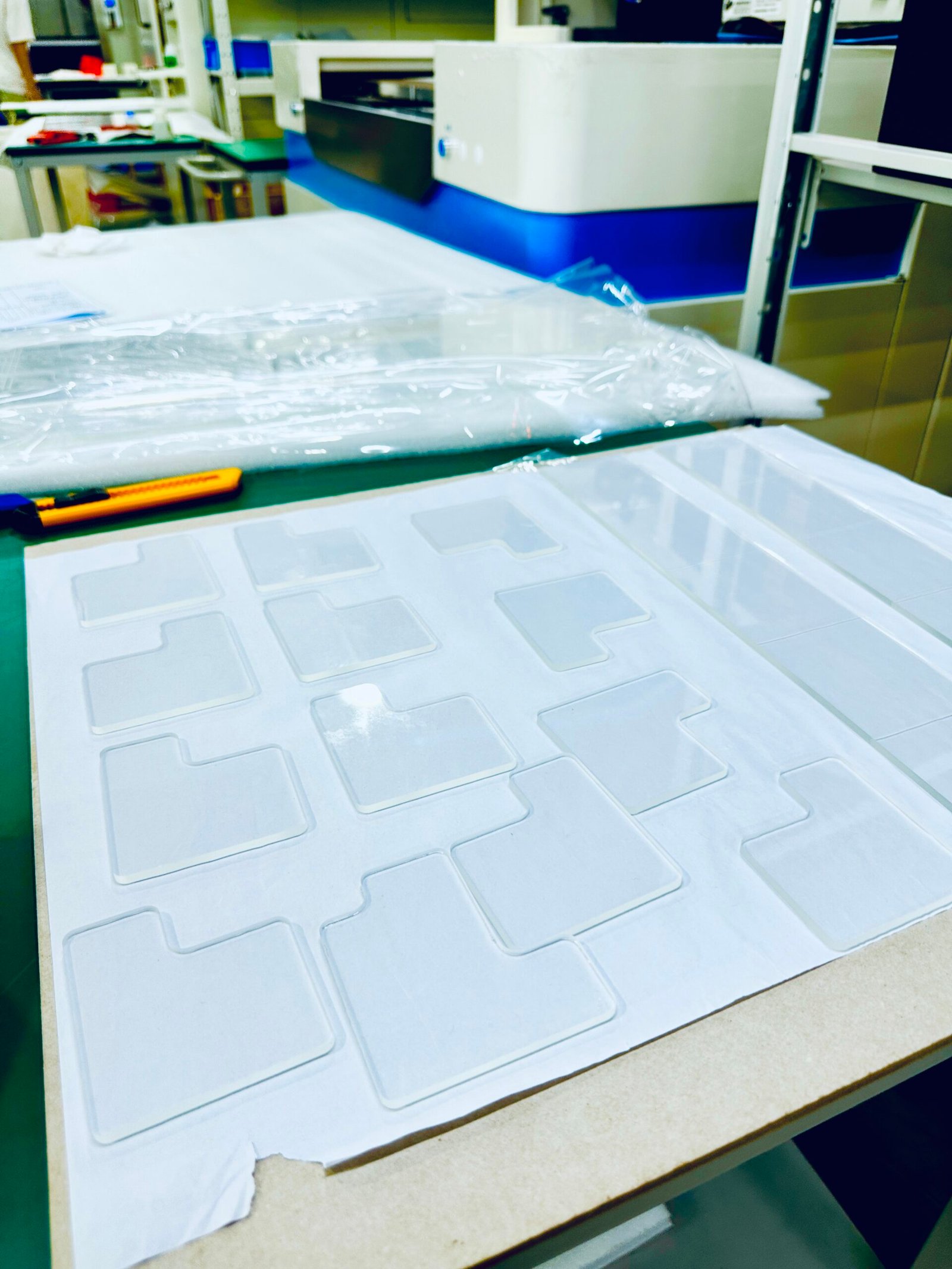
Establish a stable edge that can be measured and assembled.
Reduce sharp-edge risk and meet mechanical fit or safety requirements.
Check continuity, chipping, cracks and corner damage.
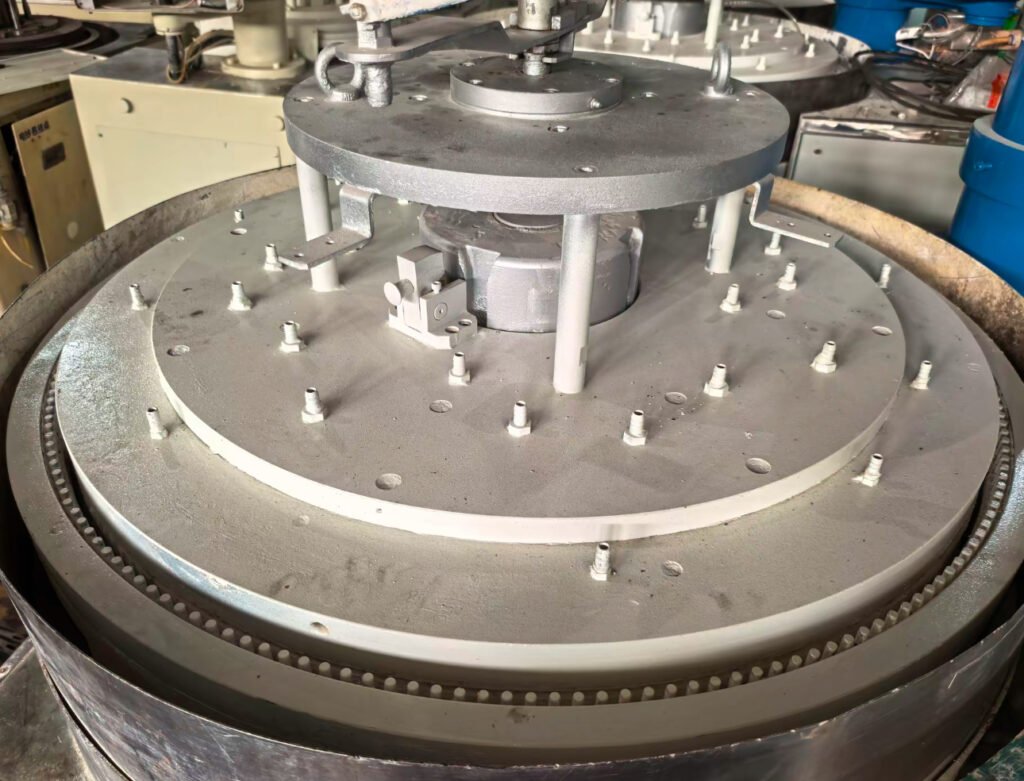
Precision glass processing services. Precision glass grinding. For borosilicate glass, aluminosilicate glass, …
View Processing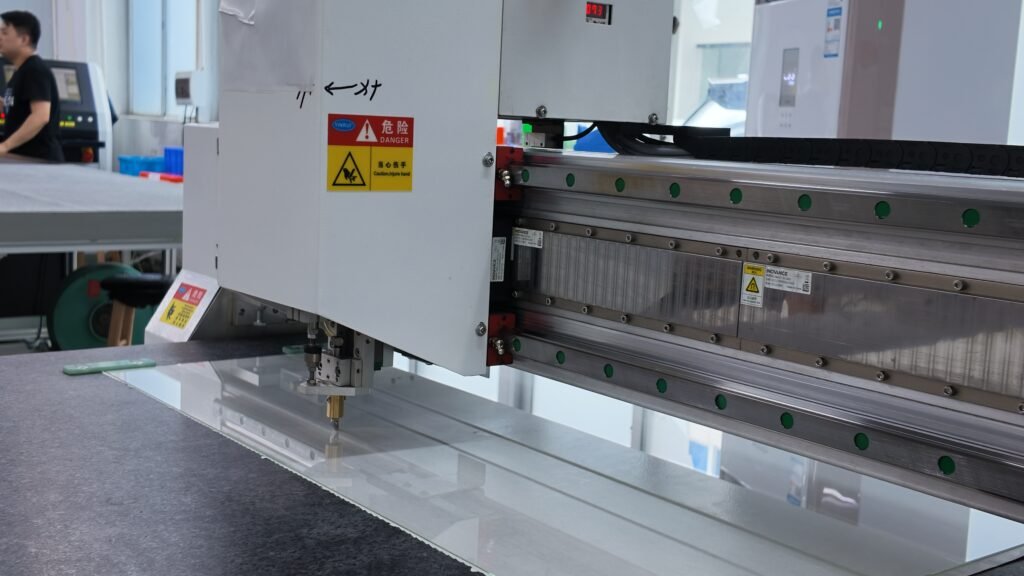
We plan the glass cutting route around dimensions, datums, edge condition and downstream operations, reviewing outline, cutting allowance and delivery requirements against the drawing.
View Processing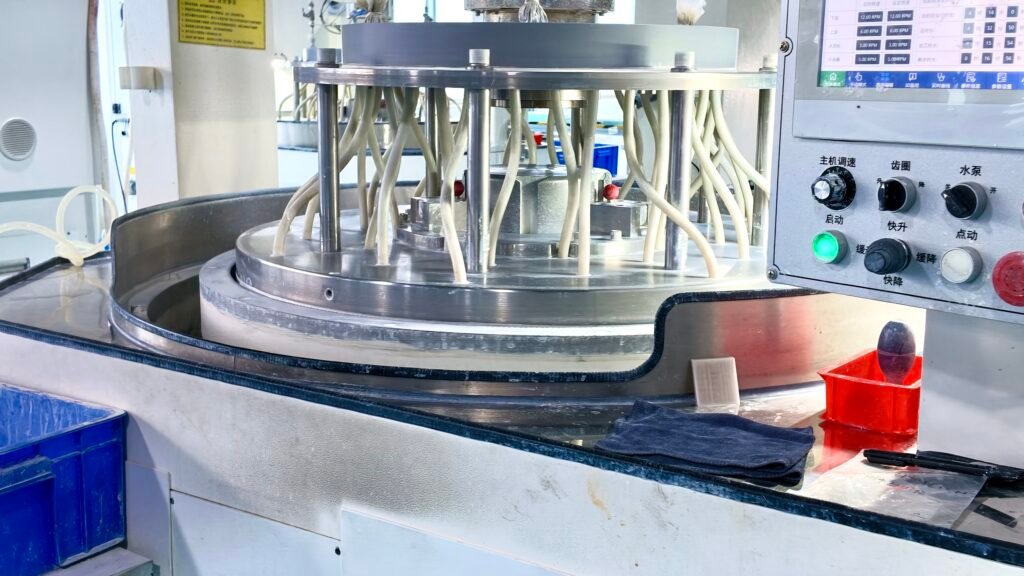
Grinding and polishing operations are arranged around thickness, parallelism, flatness and surface requirements, with the process route and inspection method confirmed per project.
View Processing
We control particles, residues and water marks after processing, and confirm cleaning, handling and packaging requirements against coating, bonding or assembly needs.
View Processing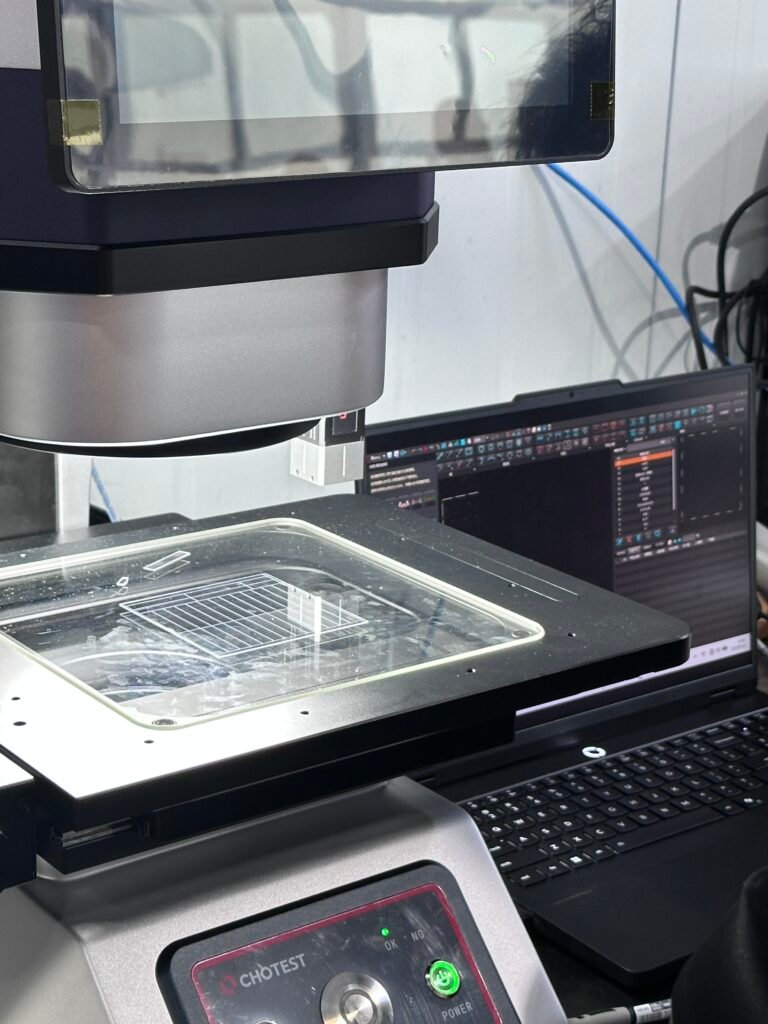
Glass dimensions, edges and surfaces are inspected against the drawing and the agreed acceptance items, with inspection methods, sampling scope and delivery records defined.
View Processing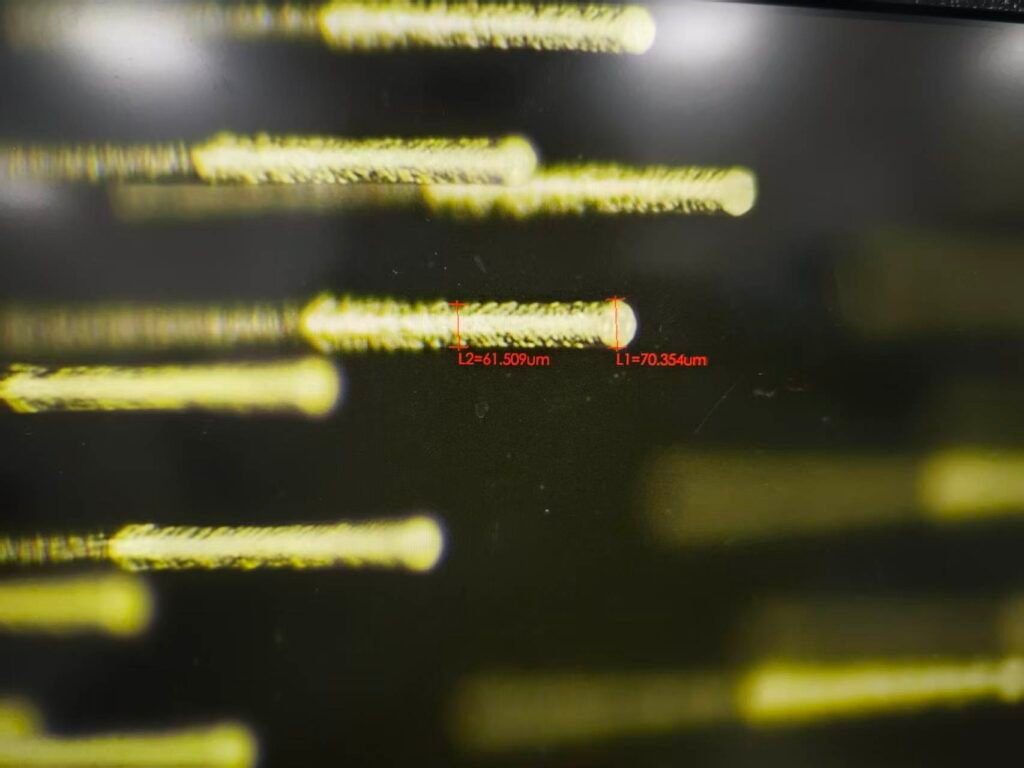
For micro-holes, hole arrays and local openings in glass, we evaluate laser drilling options based on material, thickness and hole geometry.
View ProcessingProvide the glass material, dimensions, quantity, critical surfaces and acceptance items, and we will organise the cutting, edge grinding, polishing, cleaning and inspection sequence accordingly.