Precision glass processing services
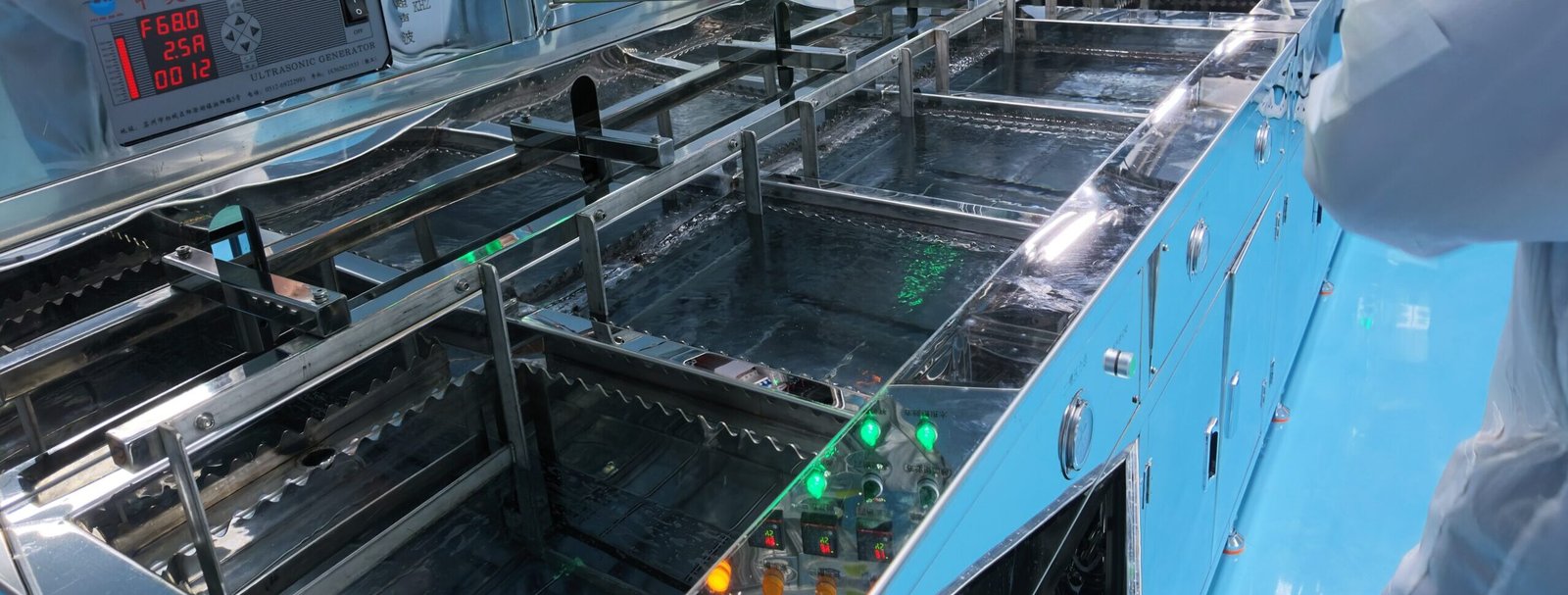
Glass Cleaning
Cleaning, rinsing, drying and packaging for polished glass, display glass, fused quartz and precision substrates.
Request a Material and Processing QuoteCleaning, rinsing, drying and packaging for polished glass, display glass, fused quartz and precision substrates.
Request a Material and Processing QuoteCleaning is not a final wipe-down; it is a complete process for controlling particles, residues and recontamination.
Grinding fluid, polishing residues, particles, fingerprints and handling contamination after glass processing directly affect optical appearance, coating, lamination and clean assembly. The cleaning flow should be chosen according to material, surface state and downstream application, rather than using one set of chemicals and times for all glass.
If the next step is coating or optical bonding, the focus is usually particles, ions and organic residues; if the part is for mechanical assembly, appearance, absence of water marks and packaging protection matter more.
The cleaning page therefore needs to work together with polishing and inspection: define the permitted residue first, then design cleaning, rinsing, drying and packaging, and finally confirm the result under illumination or microscopy.
Typical Parameters for Selection
| What is cleaned | Glass after cutting, after lapping, after polishing or as a finished part |
|---|---|
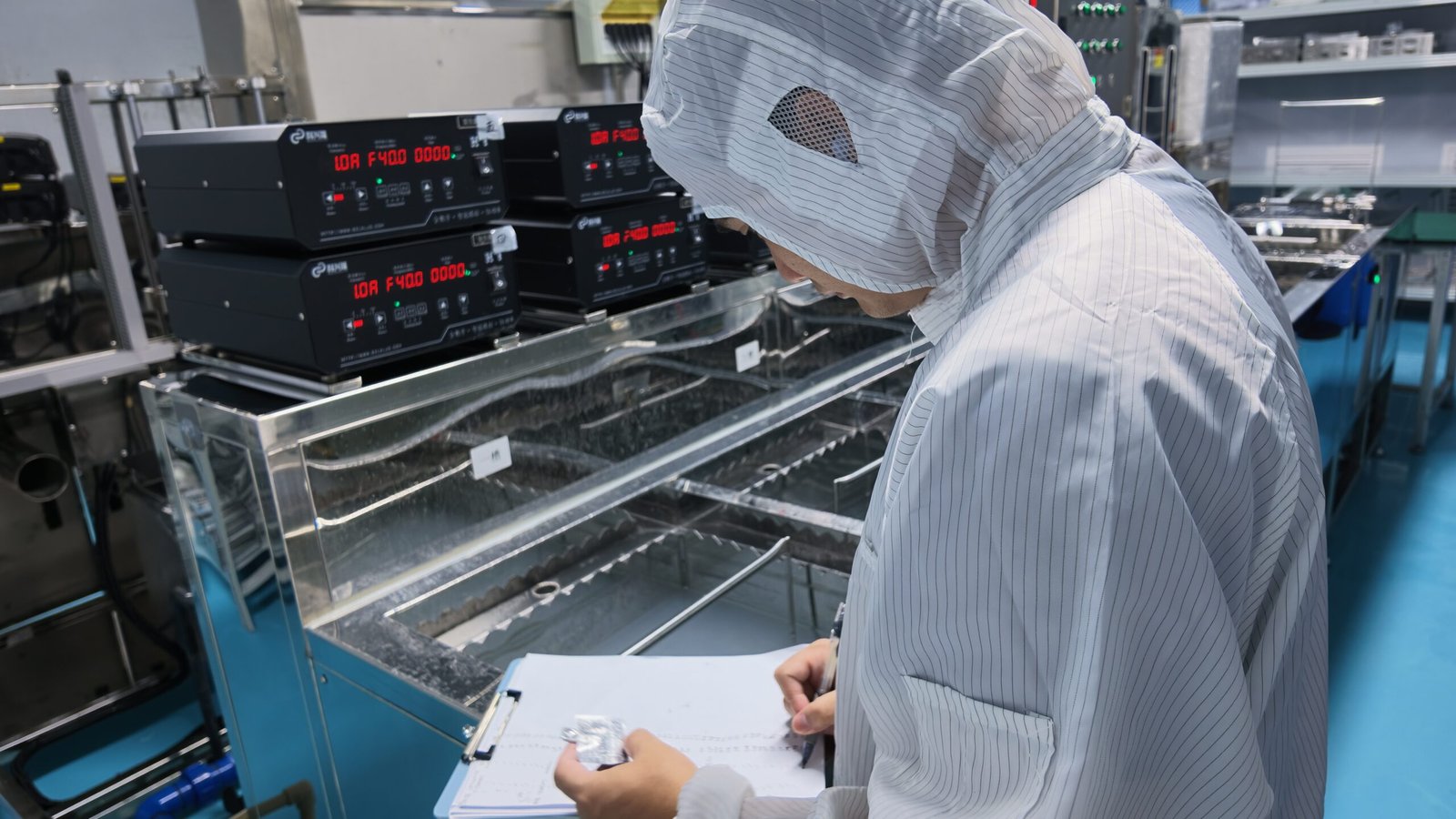
| Flow design | Pre-cleaning → main cleaning → rinsing → drying → inspection → packaging |
| Cleaning media | A cleaning approach is selected to suit the material and residue type |
| Rinsing | DI water and similar methods can reduce soluble residue |
| Drying | Avoid water marks, particle re-deposition and renewed contact contamination |
| Packaging | Separation, protection and clean packaging are selected by surface grade |
Every step establishes a verifiable input state for the next operation.
Distinguish grinding fluid, polishing slurry, organics, particles and handling contamination.
Multi-stage cleaning suited to the material, with rinsing to reduce residue.
Control water marks, particle re-deposition and contact contamination.
Inspect the surface under suitable illumination before protective packaging.
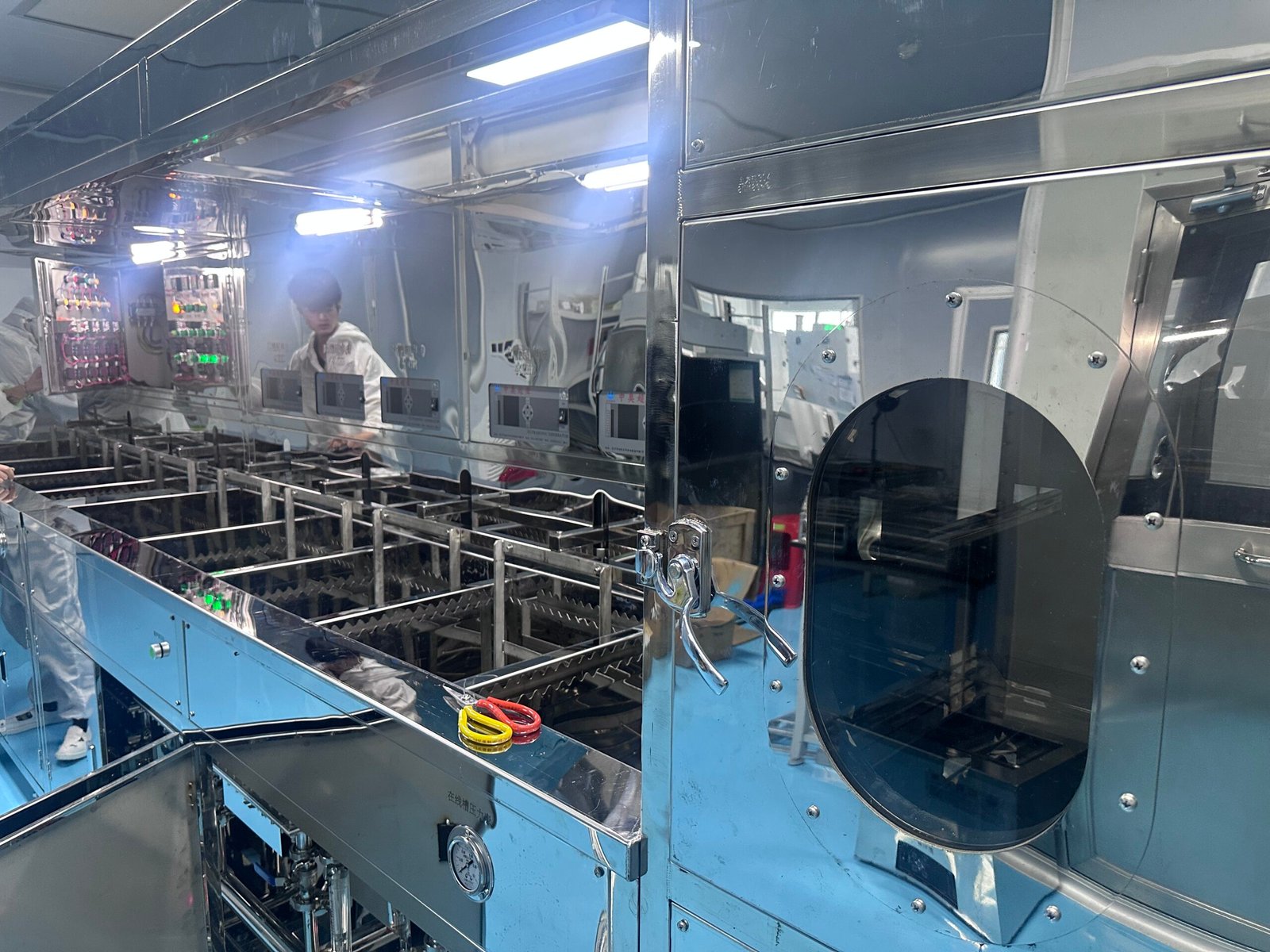
High-quality surfaces are more easily recontaminated at the final stage by fingerprints, fibres, packaging materials or unsuitable cleaning media. Cleaning, inspection and packaging should therefore be organised consecutively to reduce intermediate exposure.
Send Material and Drawing Requirements →Turning a service page from an equipment list into the quality control logic engineers actually ask about.
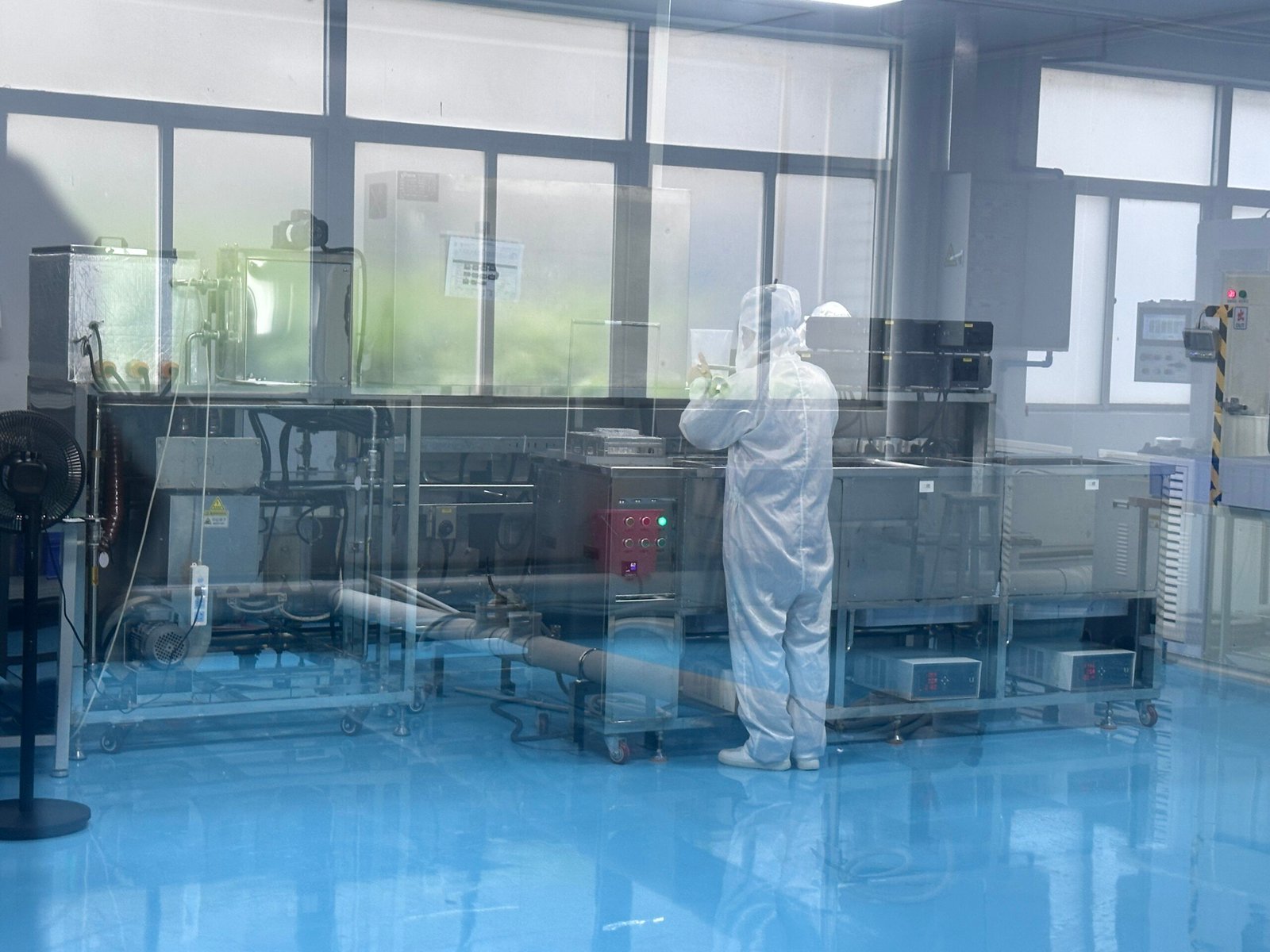
Targeting particles and slurry residue after grinding and polishing.
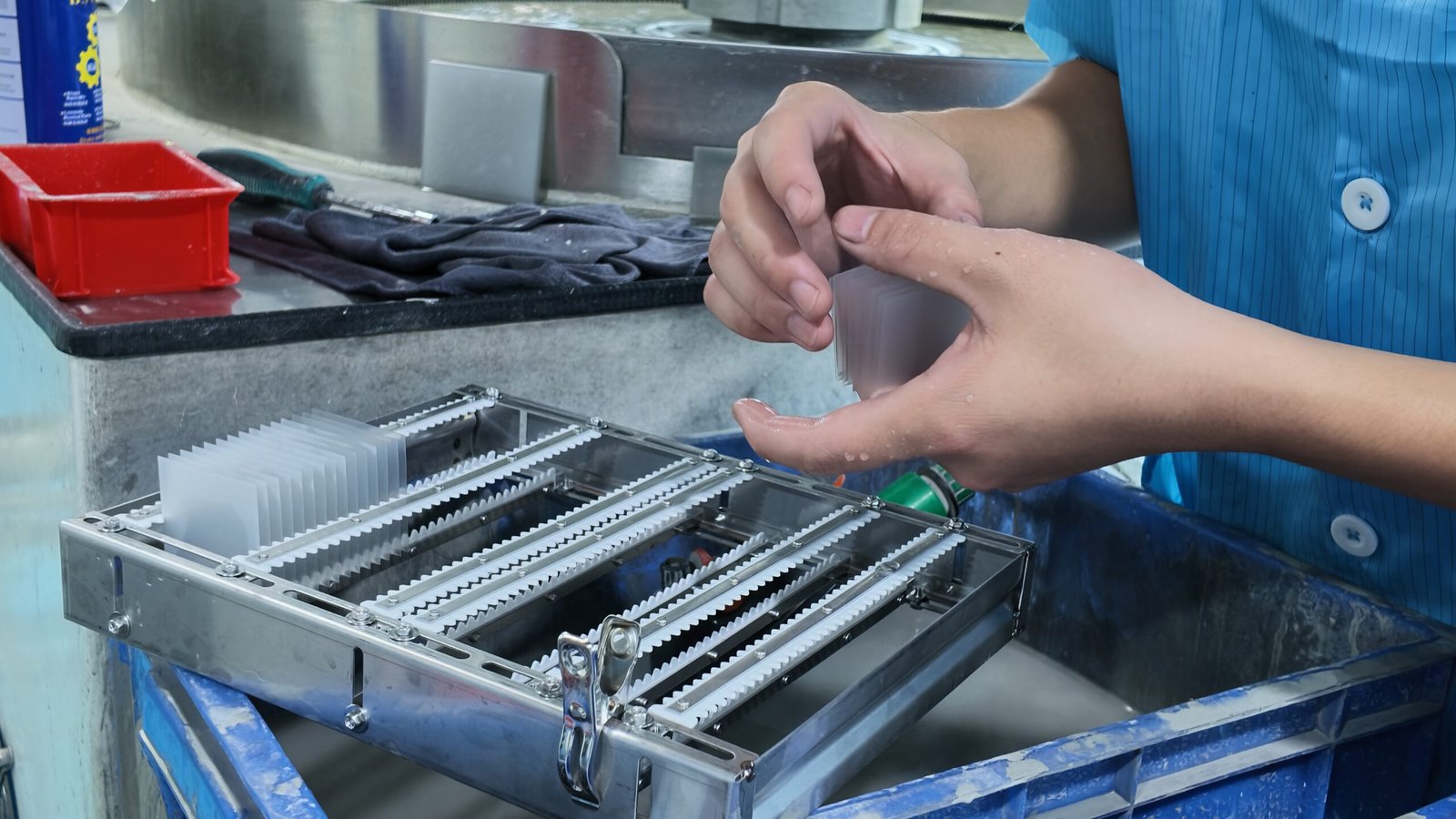
Reduce water marks and soluble residue and control the drying process.
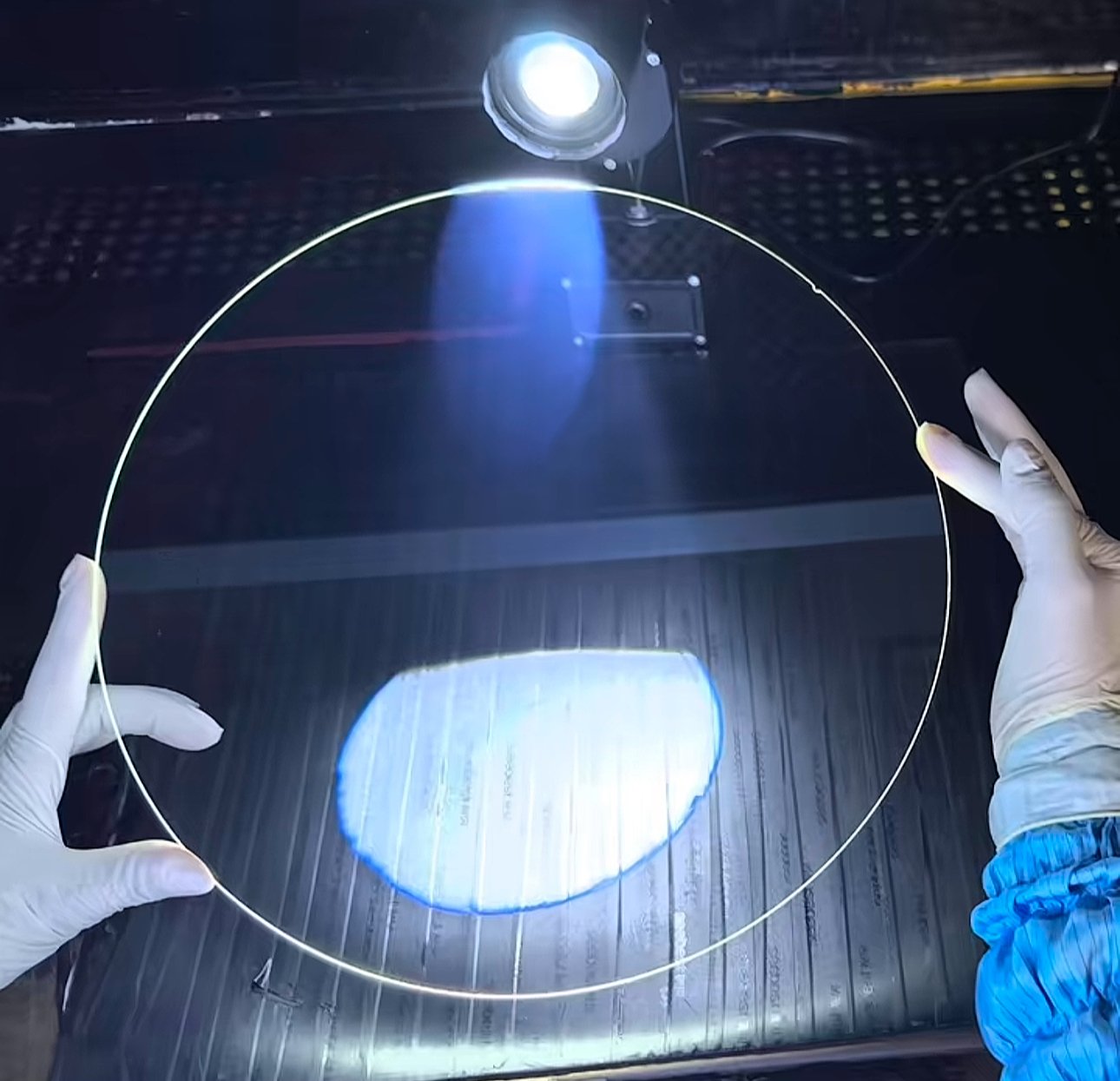
Check particles, stains and surface anomalies before packaging.
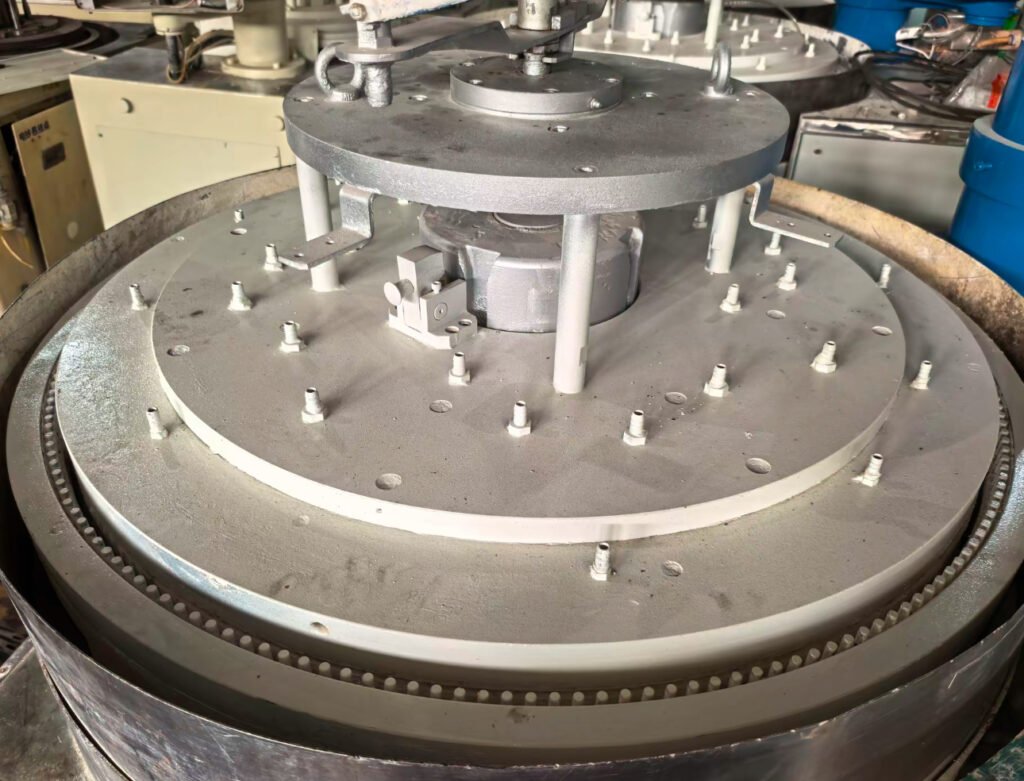
Precision glass processing services. Precision glass grinding. For borosilicate glass, aluminosilicate glass, …
View Processing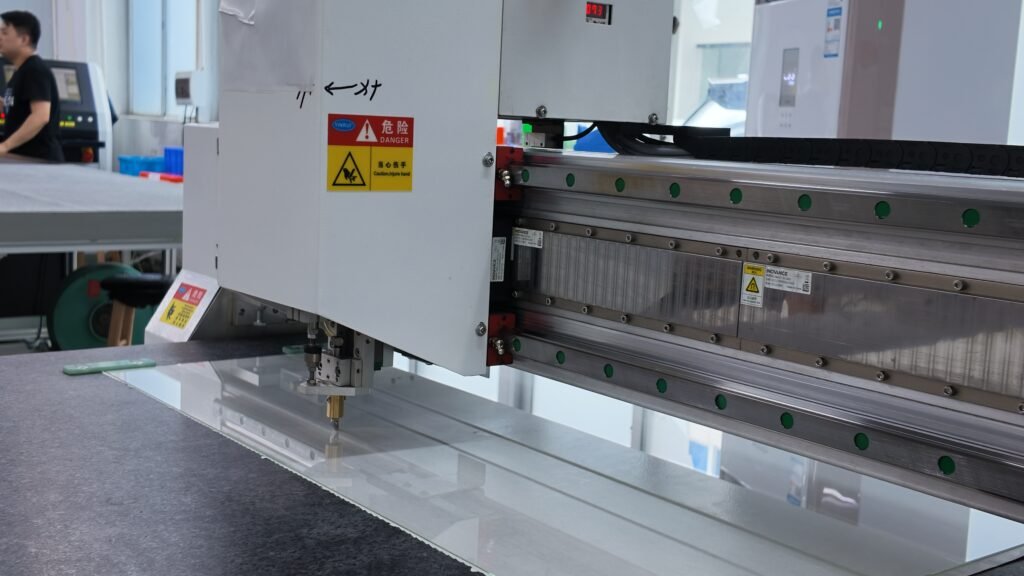
We plan the glass cutting route around dimensions, datums, edge condition and downstream operations, reviewing outline, cutting allowance and delivery requirements against the drawing.
View Processing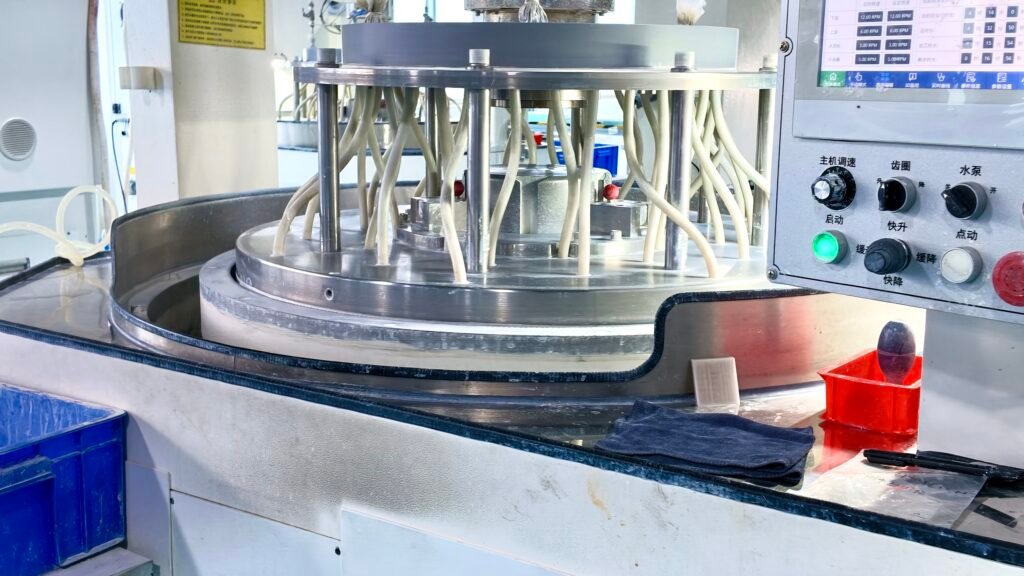
Grinding and polishing operations are arranged around thickness, parallelism, flatness and surface requirements, with the process route and inspection method confirmed per project.
View Processing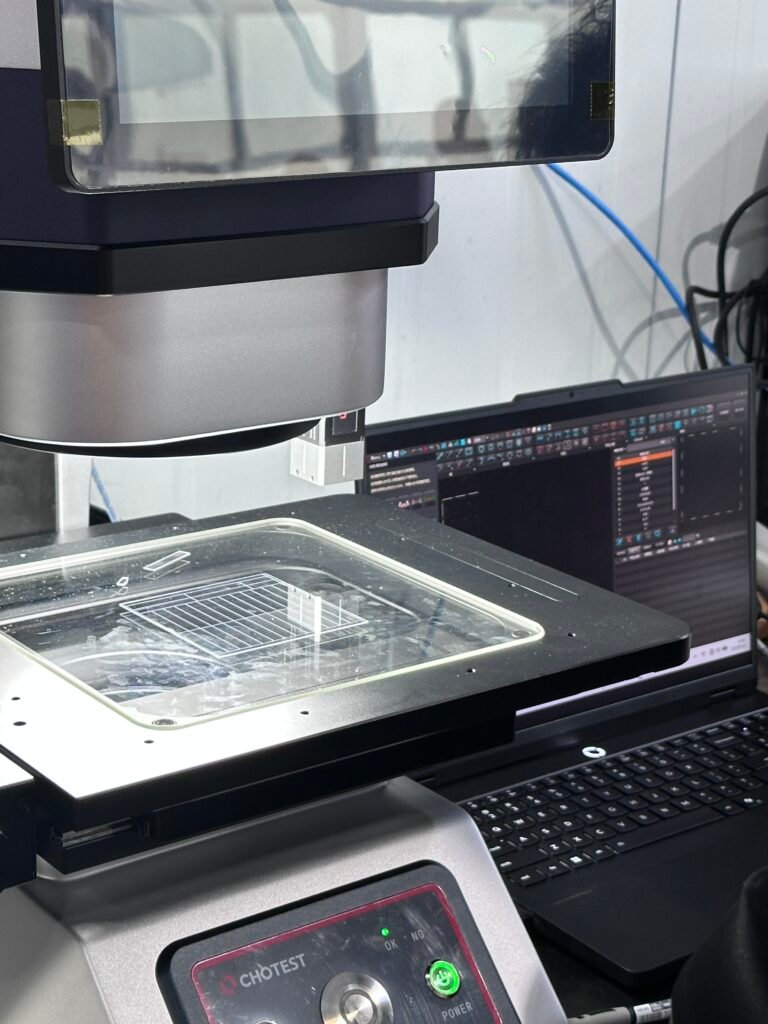
Glass dimensions, edges and surfaces are inspected against the drawing and the agreed acceptance items, with inspection methods, sampling scope and delivery records defined.
View Processing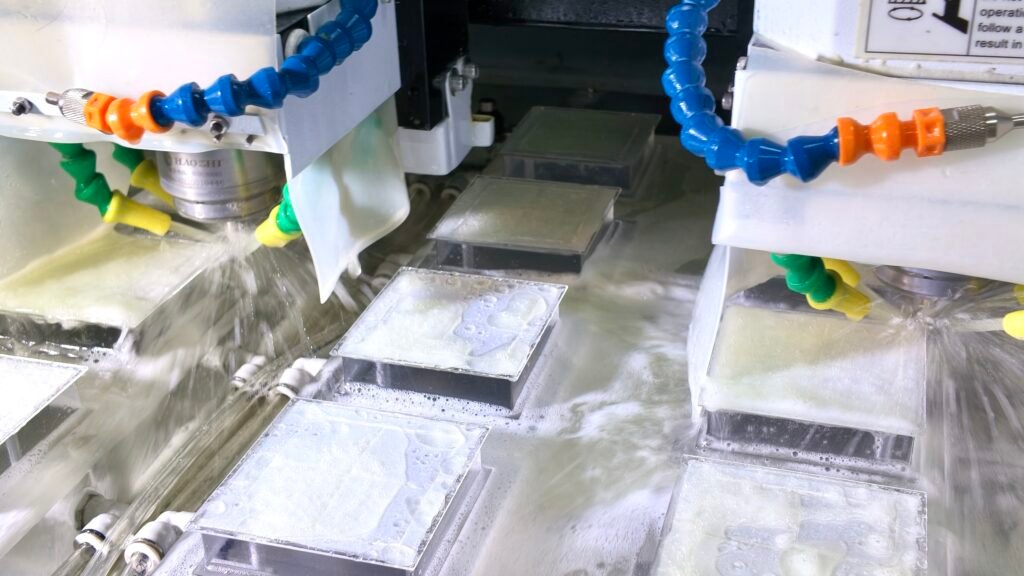
We address sharp edges and local edge defects after cutting, confirming edge grinding and chamfer styles and edge acceptance criteria against assembly requirements.
View Processing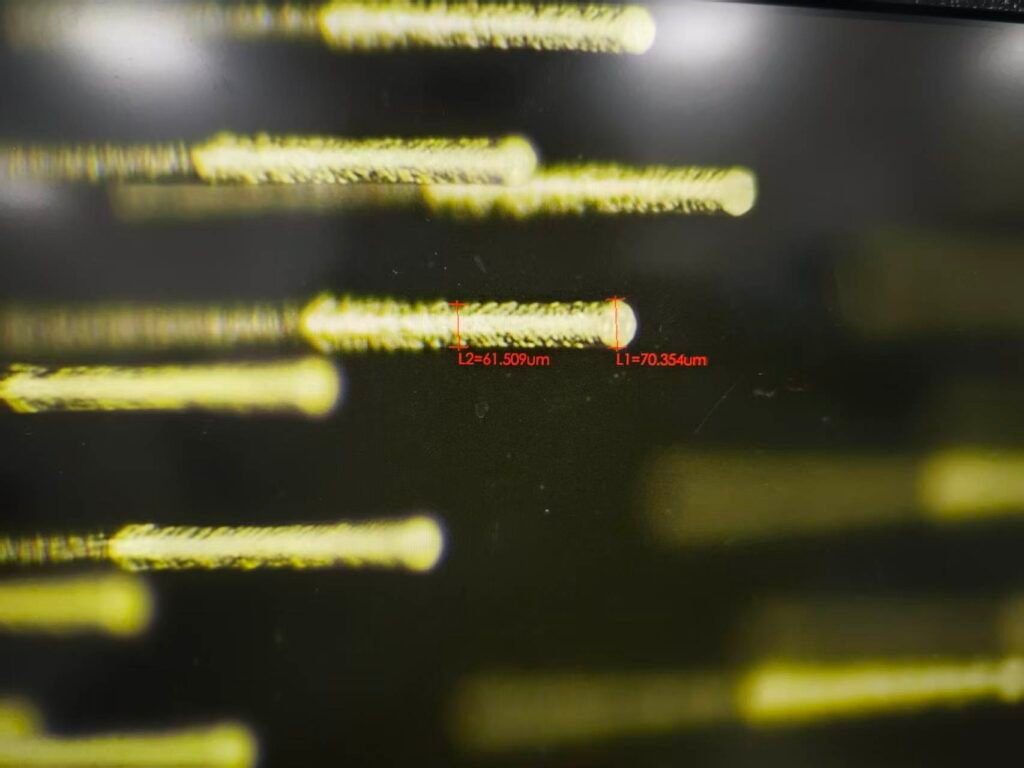
For micro-holes, hole arrays and local openings in glass, we evaluate laser drilling options based on material, thickness and hole geometry.
View ProcessingProvide the glass material, dimensions, quantity, critical surfaces and acceptance items, and we will organise the cutting, edge grinding, polishing, cleaning and inspection sequence accordingly.