LIGHTINGOptical Glass · Precision Processing
Contact Us中文 / English⌕
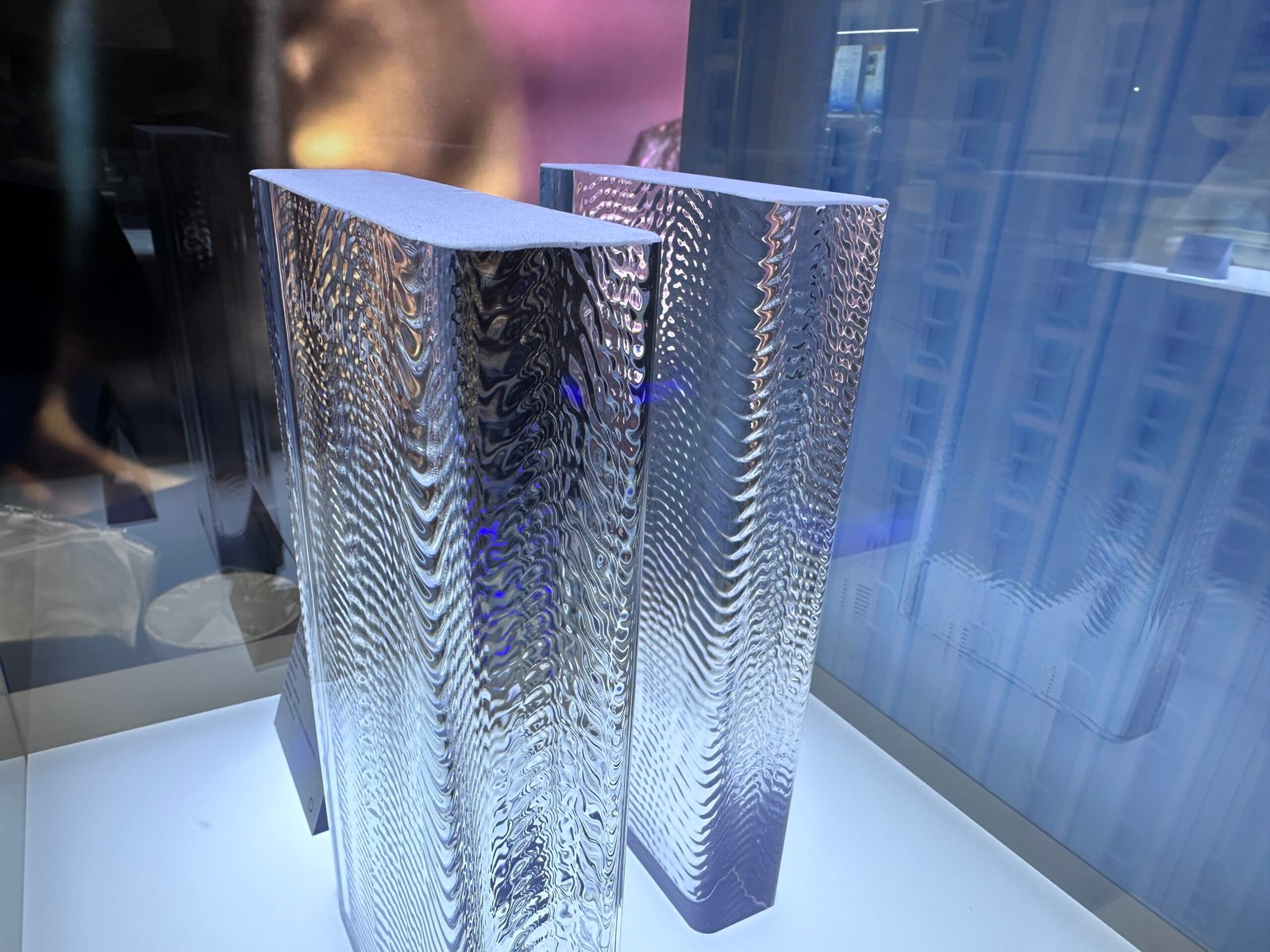
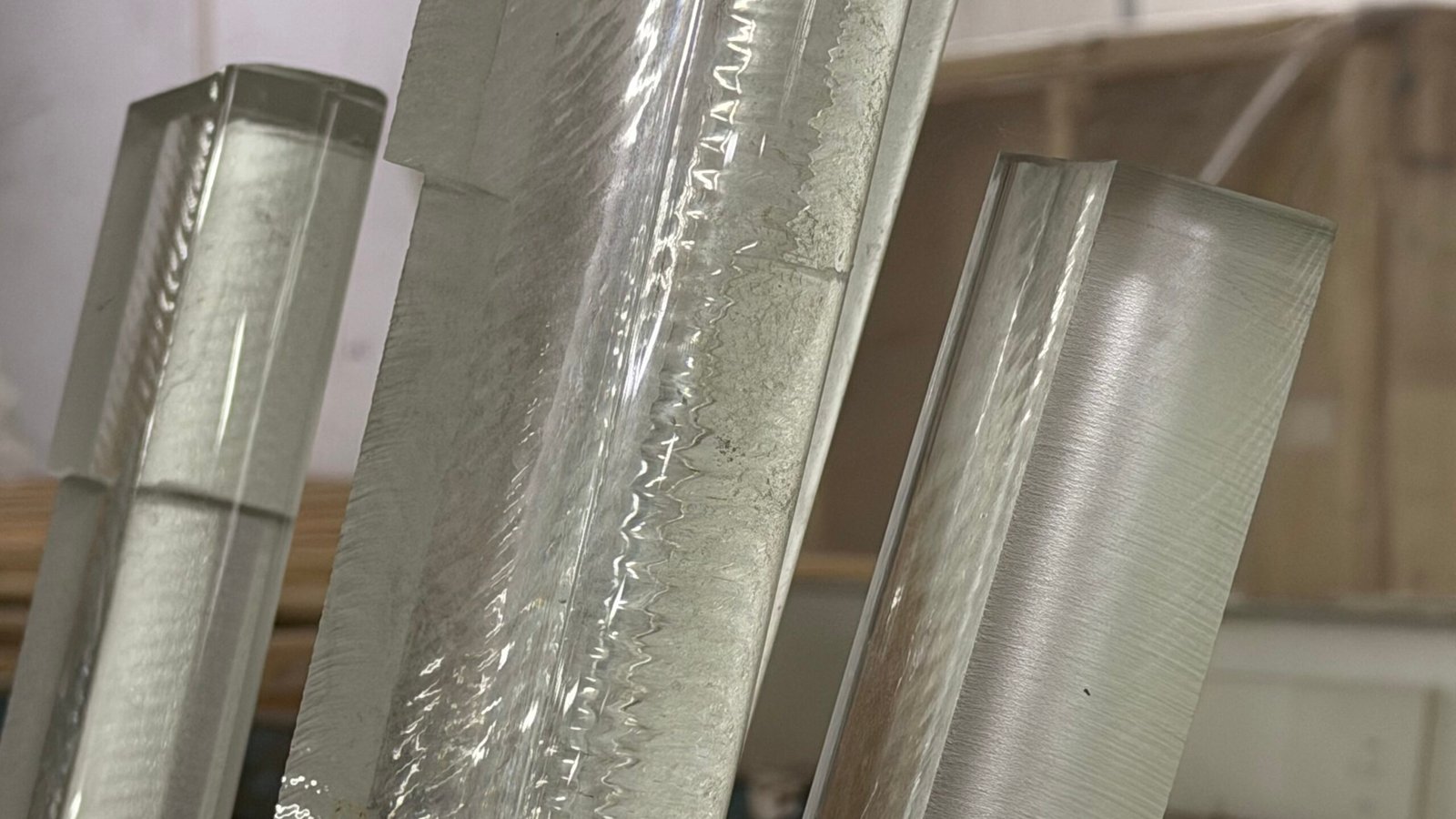
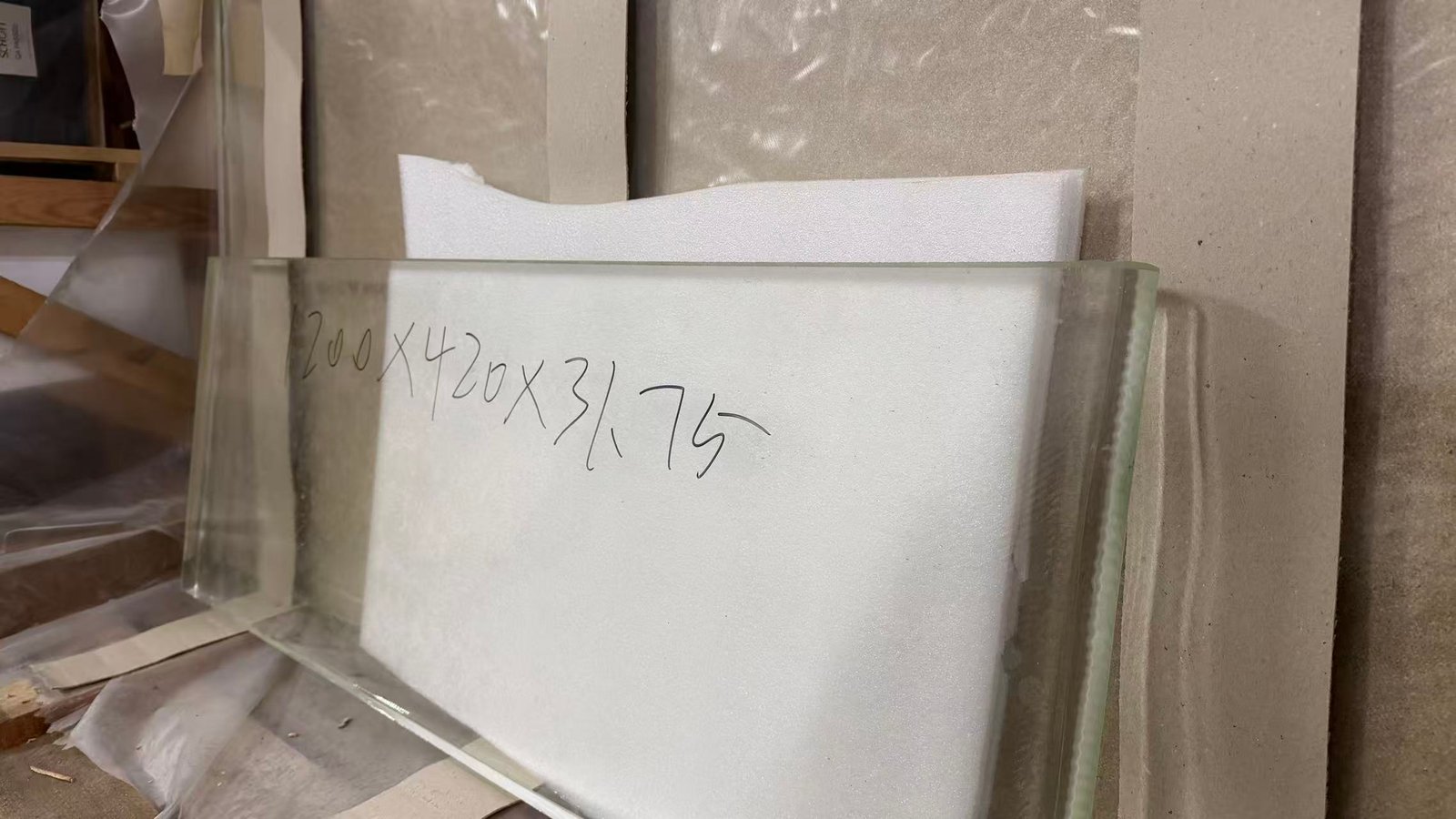
SCHOTT SUPREMAX 33 ultra-thick borosilicate glass plate
SCHOTT SUPREMAX® 33

SCHOTT SUPREMAX® 33 Ultra-Thick Borosilicate Glass

28.6–57.2 mm rolled type 3.3 borosilicate glass plate

With the same chemical composition as BOROFLOAT® 33 and combining low thermal expansion, high thermal stability, good light transmission and chemical durability, it suits large-thickness industrial viewing windows and precision structural parts.
Material Positioning

Genuine 3.3 borosilicate plate for large thickness, high temperature and precision processing

SUPREMAX® 33 uses a rolled process to deliver the large thicknesses that micro-float cannot cover, while retaining the thermal, optical and chemical properties of type 3.3 borosilicate glass.

01Low thermal expansion

Average coefficient of linear thermal expansion from 20–300 °C is 3.25 × 10⁻⁶/K.

02Ultra-thick plate range

Official standard thicknesses span 28.60–57.20 mm, suited to thick-walled structural parts.

03Thermal and chemical stability

Short-term temperature resistance up to 500 °C and long-term 450 °C, with HGB 1 / HGA 1 water resistance class.

Material Introduction

From SCHOTT rolled plate to installable industrial glass components

SUPREMAX® 33 is a rolled borosilicate glass supplied in plate form. Its chemical composition matches SCHOTT BOROFLOAT® 33 and it meets the type 3.3 borosilicate glass described in ISO 3585. The official documentation highlights its low density, low thermal expansion, high thermal resistance, good light transmission and chemical durability.

Plate projects should check sheet thickness tolerances, effective viewing opening, support, sealing, temperature difference, pressure, hole and slot positions and edge condition together. Material parameters cannot replace complete appliance structure, safety factors or application validation.

SUPREMAX 33 plate material and precision processing
Official SCHOTT Data

SUPREMAX® 33 Technical Parameters

Download the official PDF ↓
Material and standardRolled borosilicate glass; borosilicate glass type 3.3 (ISO 3585)
Density2.23 g/cm³
Young's modulus / shear modulus64 / 27 GPa
Poisson's ratio0.20
Vickers / Knoop hardness568(0.2/15)/ 480(0.1/20)
Coefficient of thermal expansion (CTE)3.25 × 10⁻⁶/K(20–300°C)
Specific heat capacity0.83 kJ/(kg·K)(20–100°C)
Thermal conductivity1.2 W/(m·K)(90°C)
Softening point / annealing point / strain point820°C / 560°C / 518°C
Glass transformation temperature Tg530°C
Refractive index nd1.472(587.6 nm)
Stress-optical coefficient / dispersion4.0 × 10⁻⁶ mm²/N / 71.9 × 10⁻⁴
Dielectric constant / loss tangent4.6 / 27 × 10⁻⁴(25°C,1 MHz)
Acid / alkali resistanceClass 1 (ISO 1776) / Class A2 (ISO 695)
Water resistance classHGB 1(ISO 719)/ HGA 1(ISO 720)
Official temperature statementShort-term maximum 500 °C; long-term maximum 450 °C
The above are typical material data from the official SCHOTT SUPREMAX® 33 data sheet. Finished-part guarantees, acceptance scope, actual stock and application safety requirements are governed by batch documents, drawings and specifications confirmed by both parties.
Official Supply Specifications

SUPREMAX® 33 plate dimensions, thicknesses and tolerances

The official SCHOTT data sheet gives a rough plate size of 1,200 × 1,500 mm and a net size of 1,000 × 1,500 mm.

Material formRolled ultra-thick borosilicate glass plate
Standard thickness range28.60–57.20 mm
28.60 / 31.75 mm

Thickness tolerance ±1.0 mm

34.90 / 41.30 mm

Thickness tolerance ±1.6 mm

47.60 mm

Thickness tolerance ±3.2 mm

57.20 mm

Thickness tolerance ±6.4 mm

Cut-to-drawing within standard plate sizes can be assessed. Stock, minimum order quantity, sheet condition, finished-part tolerances and lead time must be confirmed in writing before ordering.

Official spectral curves

Typical transmission curves for SUPREMAX® 33 at different thicknesses

The official SCHOTT data sheet gives typical transmission curves over 250–900 nm for thicknesses of 28.60, 31.75, 34.90, 41.30, 47.60 and 57.20 mm.

Curve band250–900 nm
Curve thickness28.60–57.20 mm, 6 curves in total

View the SCHOTT official transmission spectrum PDF ↓

This page does not redraw the curves or derive values from them, in order to avoid creating unofficial data; acceptance transmission at a given wavelength and thickness should be confirmed from SCHOTT documentation, batch data and project testing.
Material + Processing

From SUPREMAX® 33 plate to assembly-ready thick plate components

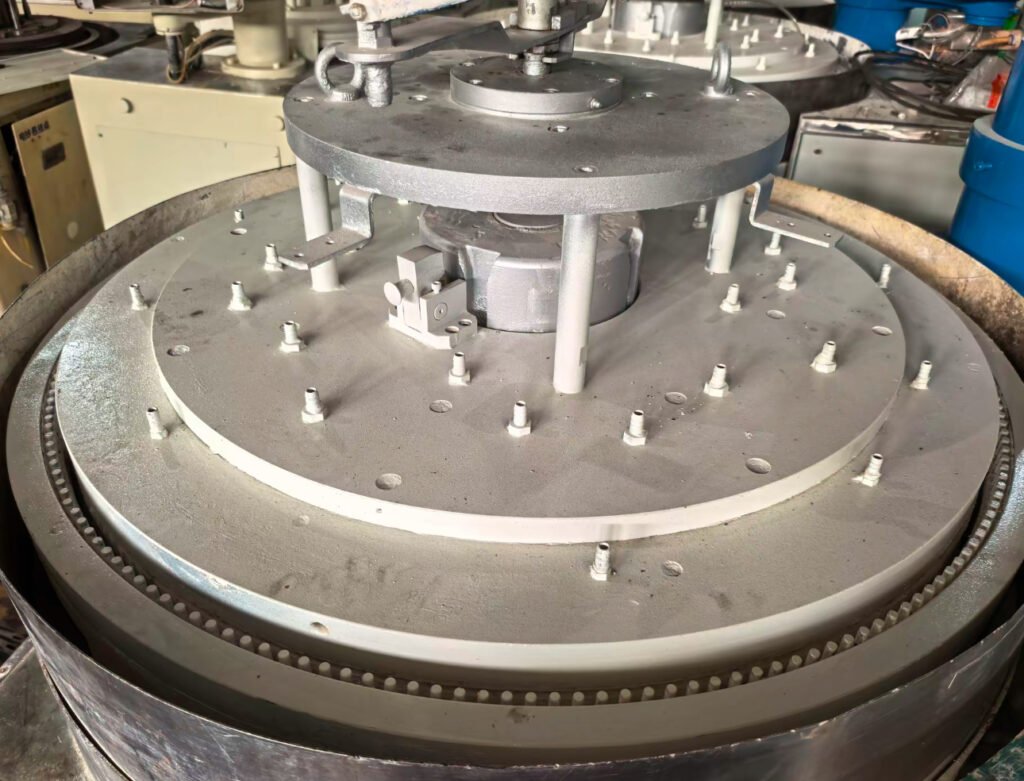
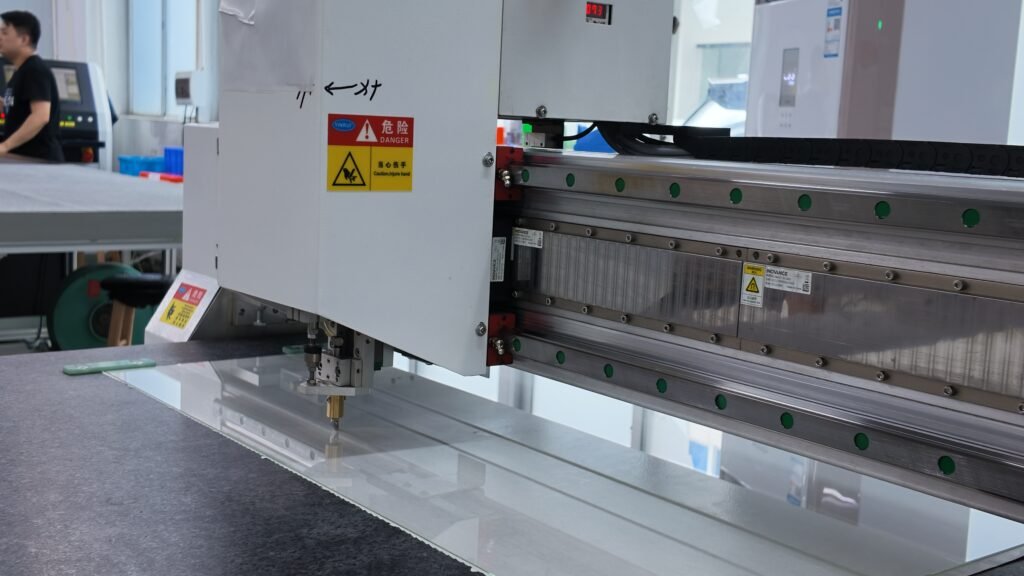
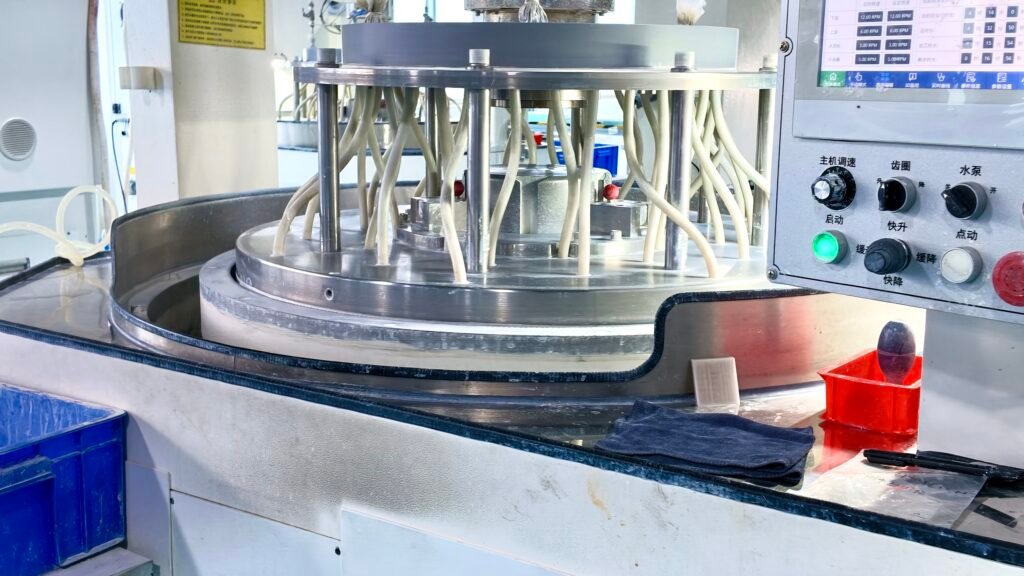
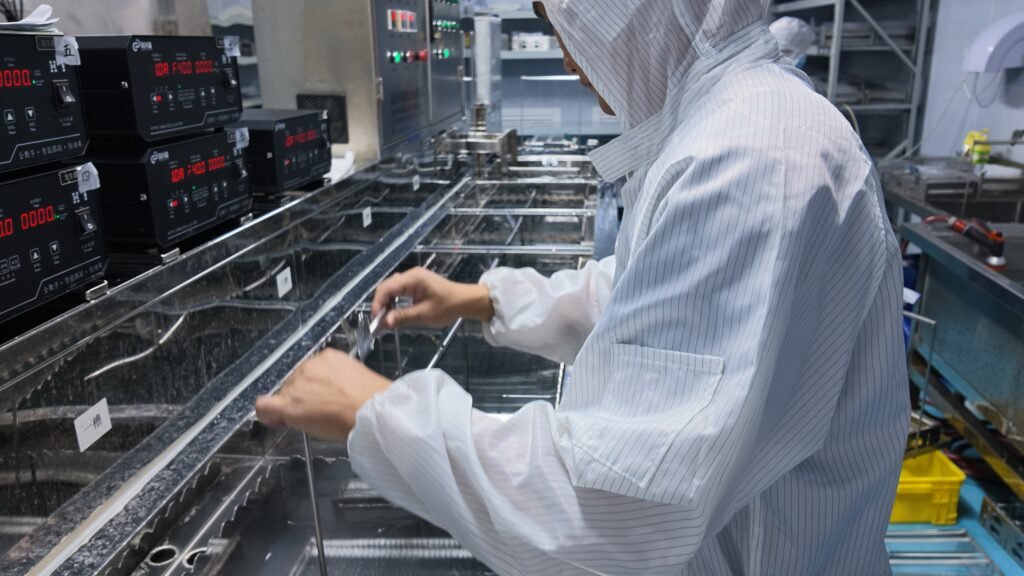
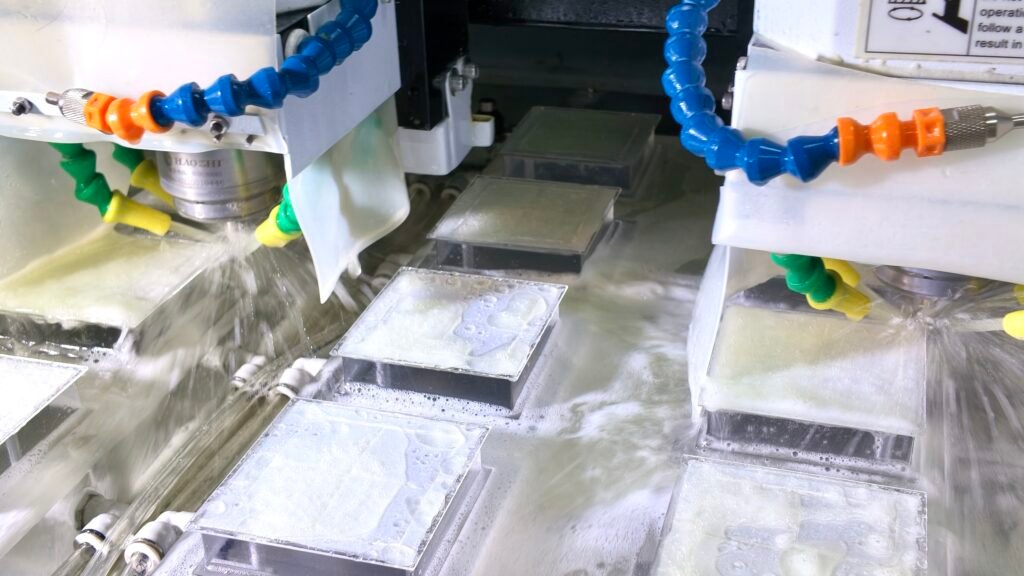
Plate processing requires control of cutting allowance, hole and slot edges, fixturing datums, thermal stress, dimensional accumulation and handling risk.

肖特SUPREMAX
Plate cutting and outline formingCutting, rough grinding and finishing allowances are planned according to thickness, tolerances and edge requirements.
Drilling, slotting and edge grindingManufacturability is assessed around hole edge distance, hole diameter, fillets, chamfers and assembly clearance.
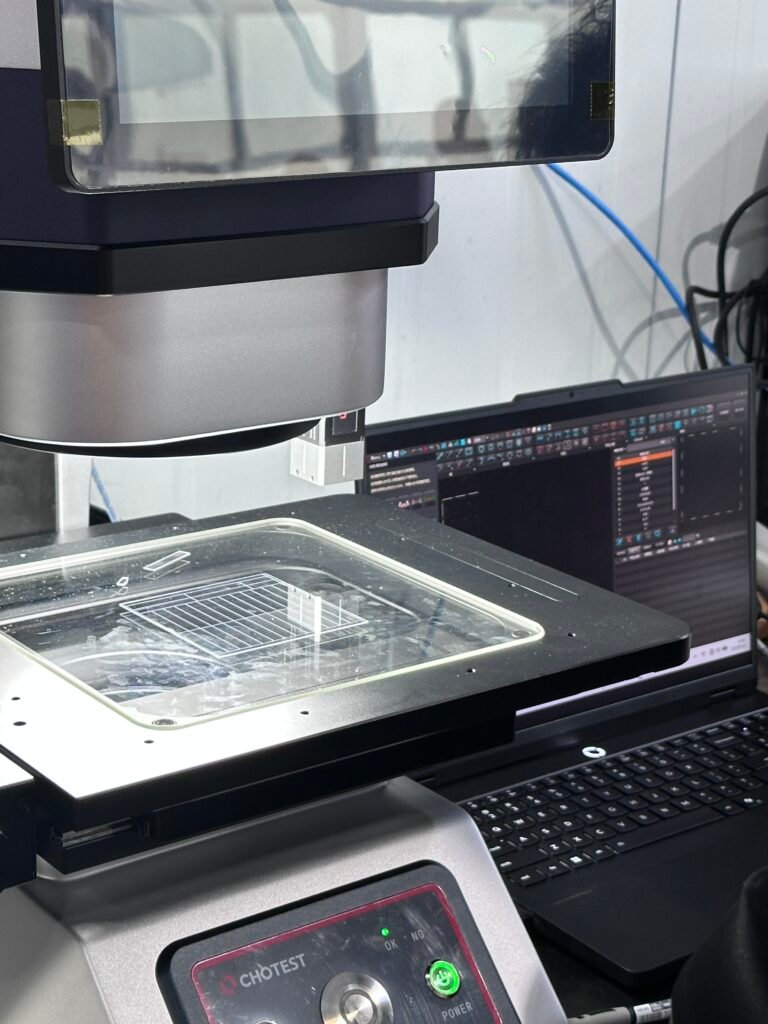
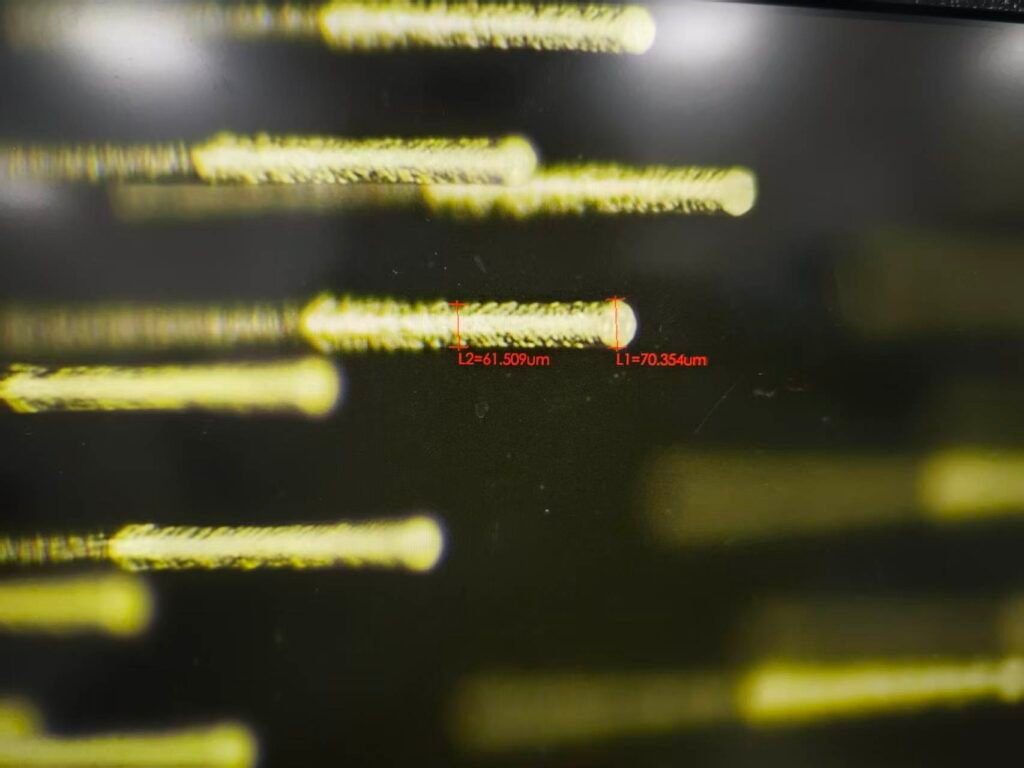
Surface processing and inspectionWe can assess lapping, polishing, flatness, appearance, dimensional reports and protective packaging.
For enquiries, please provide the original material requirements, outline, thickness, quantity, tolerances, holes and slots, edges, surface, operating temperature, load and required lead time; include a drawing if available.
Typical Applications

Plate Projects Suited to SUPREMAX® 33

Structures involving high temperature, pressure or personal safety must be validated by the appliance or engineering designer.

Industrial viewing windowsLarge-thickness transparent viewing components for furnaces, ovens, reactors and heat treatment equipment.
Chemical and laboratory equipmentHeat-resistant sight glasses, reaction vessels, laboratory structures and electrically insulating components.
Large equipment componentsPrecision glass structures requiring ultra-thick plate, holes and slots and custom profiles.
Lighting and thermal equipmentProtective plates, load-bearing plates and optical windows near heat sources.
Purchasing FAQ

Frequently asked questions about buying SUPREMAX® 33

What is the relationship between SUPREMAX® 33 and BOROFLOAT® 33?

SCHOTT states that the two have the same chemical composition; SUPREMAX® 33 uses a rolled process and focuses on the ultra-thick range that BOROFLOAT® 33 micro-float cannot provide.

Can it be cut and machined to drawing?

Cutting, drilling, slotting, edge grinding, lapping and polishing can be assessed within standard plate sizes; actual capability depends on thickness, dimensions, tolerances and edge requirements.

Can it be designed directly for 500 °C?

No — a material temperature figure cannot replace structural design. The official values are a short-term maximum of 500 °C and long-term 450 °C, and the temperature difference, dimensions, support, load and service life must also be checked.

Can the spectral curves serve as a guarantee for finished parts?

The official figures are typical curves for a given thickness. Formal acceptance should specify wavelength, thickness, transmission and test method in the quotation and drawing.

What information is needed for an enquiry?

Please provide drawings, original material requirements, dimensions, thickness, quantity, temperature, load, holes and slots, edges, surface and acceptance conditions.

Send us your SUPREMAX® 33 plate specifications and processing requirements

Send the drawing, thickness, quantity, operating temperature and key acceptance items, and we will confirm material, processing, inspection and delivery conditions in a single quotation.