LIGHTINGOptical Glass · Precision Processing
Contact Us中文 / English⌕
Aluminosilicate glass thin sheets and electronic substrates
ALUMINOSILICATE GLASS

Aluminosilicate Glass

A high-strength glass material for thin sheets, cover plates and electronic structural parts

Combining relatively high mechanical strength, softening temperature and precision thin-sheet processing capability, it suits displays, sensing, electronic packaging and high-reliability glass parts.

Material Positioning

Material strength, chemical strengthening and edge quality together determine reliability

Aluminosilicate glass suits thin sheets and high-reliability structures, but different formulations have different ion-exchange, thermal, optical and processing windows and must be confirmed against the actual supplied material.

01Higher mechanical performance

Suited to cover plates and windows that require thinness, impact resistance and structural strength.

02Compatible with chemical strengthening

Some aluminosilicate systems can raise surface compressive stress through ion exchange; the specific process must match the material.

03Suited to precision thin-sheet processing

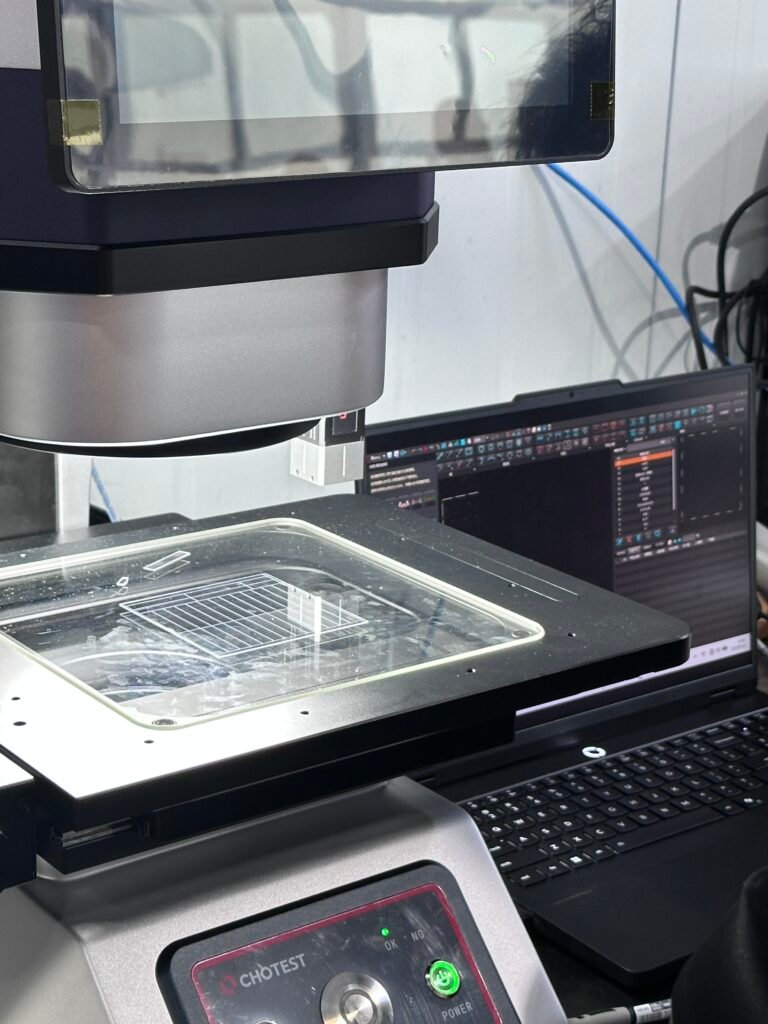
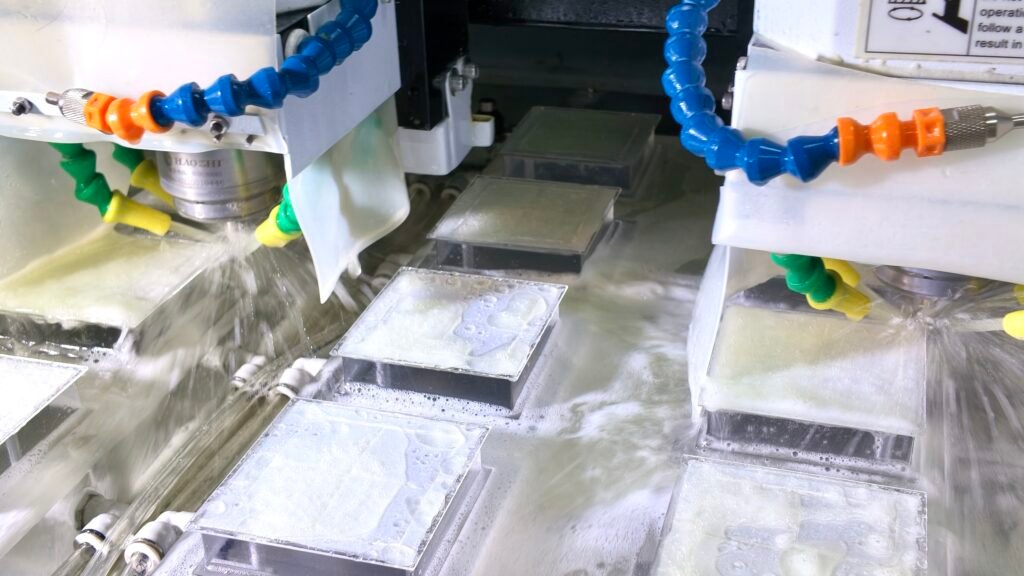
We can evaluate cutting, edge grinding, holes and slots, lapping and polishing, cleaning and appearance inspection.

Material Introduction

From aluminosilicate glass thin sheets to high-reliability cover plates and substrates

Aluminosilicate glass usually improves mechanical and thermal performance by raising components such as Al₂O₃, and chemical strengthening can be evaluated according to the material system. Formulation differences affect softening temperature, thermal expansion, refractive index and ion-exchange behaviour.

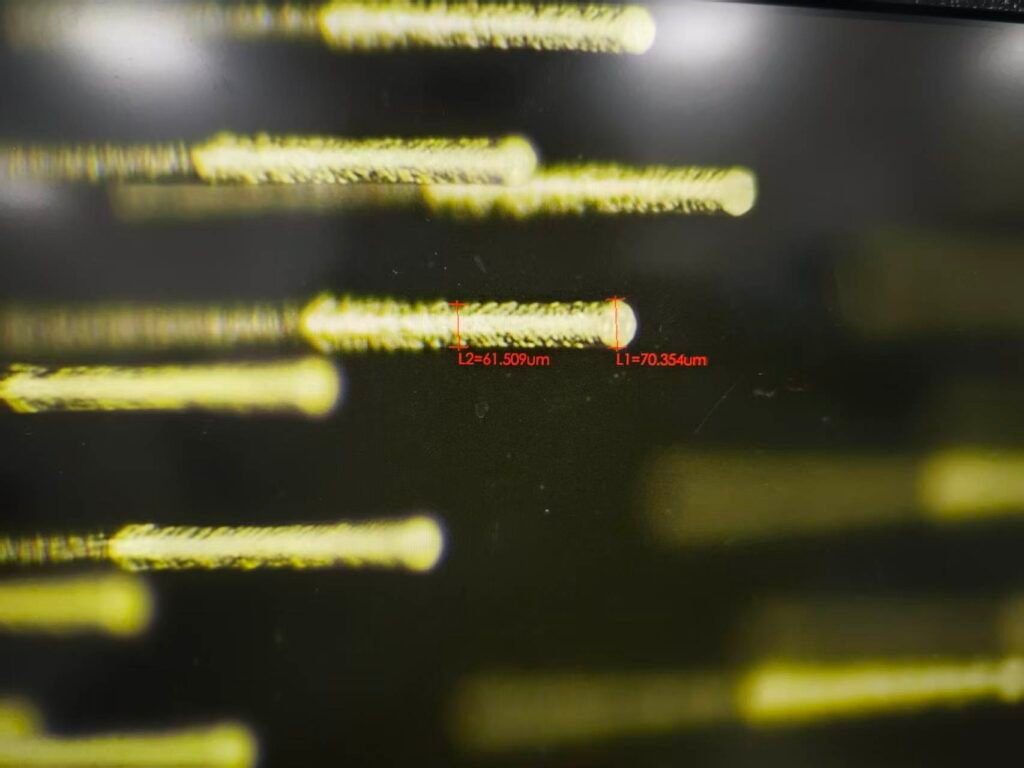
Finished-part reliability is closely related to the raw sheet, edge defects, surface scratches, hole and slot corners and assembly stress. Enquiries should specify the strengthening state, drop or load conditions, dimensions and thickness, and appearance acceptance.

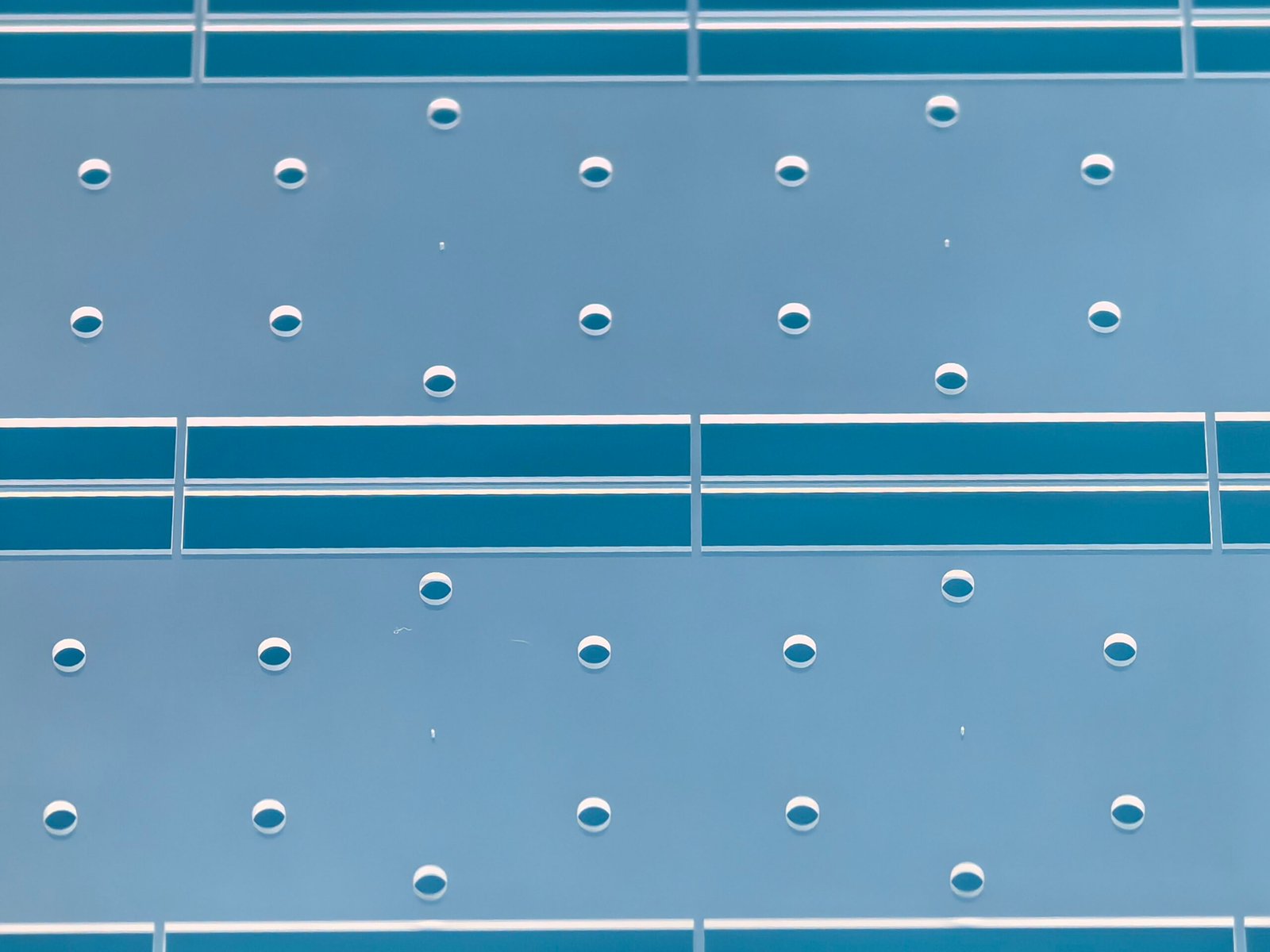
Aluminosilicate glass surfaces and precision edges
Material Data Sheet

Typical Reference Parameters for Aluminosilicate Glass

Material typeAluminosilicate glass; formulation and supplied grade to be confirmed
DensityTypical reference from available sources: 2.42 ± 0.03 g/cm³
Young's modulus / shear modulusTypical reference from available sources: 66.49 / 28.69 GPa
Coefficient of thermal expansion (CTE)Typical reference from available sources: (85.2 ± 2) × 10⁻⁷/°C (30–380 °C)
Softening point / annealing point / strain pointTypical reference from available sources: 863 / 610 / 566 °C
Refractive indexTypical reference from available sources: 1.50 (590 nm)
Mohs hardnessTypical reference from available sources: 6
Chemical strengtheningProcess temperature, depth and surface compressive stress confirmed per grade, thickness and process
The values above come from available data on one aluminosilicate glass and are for preliminary comparison only; they are not guaranteed values for all aluminosilicate formulations or finished parts. Formal parameters and strengthening performance are governed by the chosen supplied grade, batch documents and specifications confirmed by both parties.
Supply Specifications

Aluminosilicate glass thin sheets, cover plates and custom substrates

Common thicknesses, maximum dimensions and strengthening routes are confirmed against the sheet source, drawing and project requirements.

Typical formsThin sheet / cover plate / rectangular substrate / custom part
Available thickness rangeApproximately 0.40–1.30 mm
Geometric specifications

Dimensions, thickness, TTV, warpage and hole position tolerances confirmed against the drawing

Edges and appearance

Chamfers, fillets, permitted chipping, scratch/dig and visible area confirmed by application

Strengthening and post-processing

Chemical strengthening, printing, coating, cleaning and packaging must be evaluated together

Formal supply is governed by material documents, drawings, sample validation and specifications confirmed by both parties.

Material + Processing

From aluminosilicate glass sheet to thin, high-strength structural parts

The process route is designed around edge strength, hole and slot stress concentration, strengthening compatibility and appearance protection.

Aluminosilicate glass hole, slot and profile processing
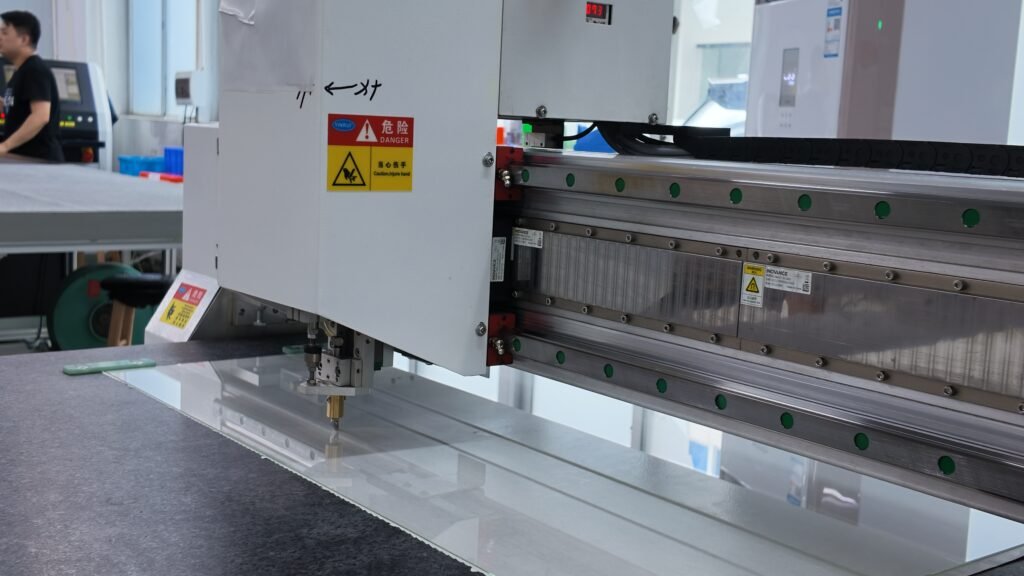
Thin-sheet cutting and profile processingThe cutting route is chosen according to dimensions, thickness, outline and edge requirements.
Holes, slots, edge grinding and chamferingHole edge distance, corners and edge defects are optimised to reduce later strengthening and assembly risk.
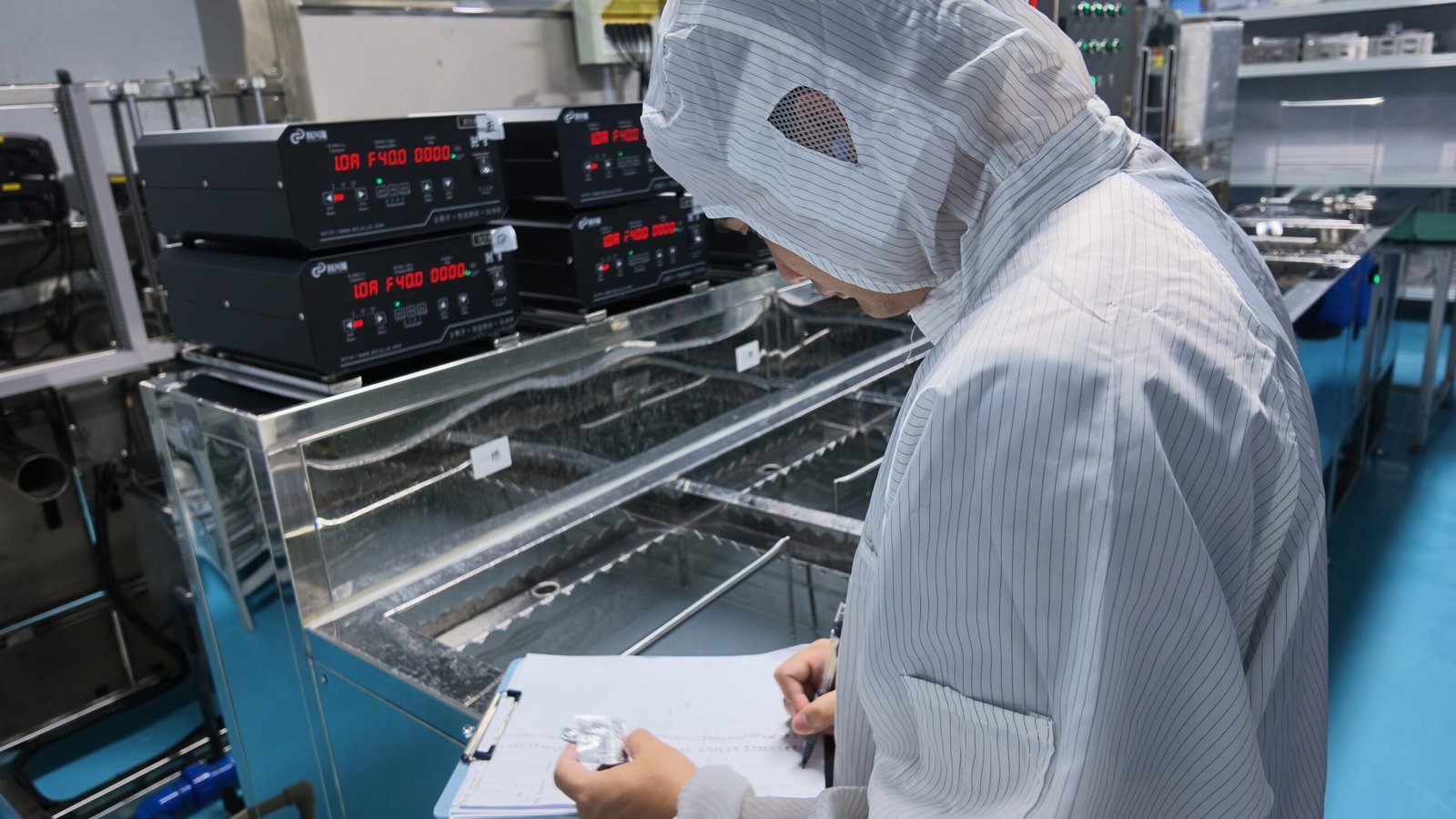
Inspection before and after strengtheningDimensions, appearance, warpage, strengthening metrics and packaging can be confirmed per project.
For enquiries, please provide outline, thickness, quantity, tolerances, edge style, surface grade, clean packaging, application and required lead time; include a drawing if available.
Typical Applications

Typical applications of aluminosilicate glass

Material and process must be confirmed together against strength, thickness, surface function, environment and reliability testing.

Display and touch cover platesTransparent protective parts for portable devices, industrial displays and human-machine interfaces.
Sensor windowsProtective windows for cameras, optoelectronics, scanners and industrial sensing modules.
Electronic and packaging substratesGlass structures requiring electrical insulation, thinness and dimensional stability.
High-reliability custom partsPrecision glass parts with holes, slots, printing, coating or chemical strengthening requirements.
Purchasing FAQ

Frequently asked questions about buying aluminosilicate glass

Is aluminosilicate glass equivalent to a particular brand?

No. This page covers an unbranded material category; the specific supplied grade, formulation and data sheet are stated when the project is confirmed.

Can all of them be chemically strengthened?

Different aluminosilicate formulations have different ion-exchange windows, so the material grade, thickness and target strengthening metrics must be confirmed first.

Process before or after strengthening?

Holes, slots and the main outline usually have to be finished before strengthening; the exact flow should be set by the product structure and reliability targets.

How is edge strength controlled?

Micro-chipping and scratches must be controlled through cutting, edge grinding, chamfering, cleaning and handling, supported by sample testing.

What information is needed for an enquiry?

Please provide dimensions, thickness, quantity, holes and slots, edges, appearance, strengthening, printing or coating and reliability requirements.

Send us your aluminosilicate glass structural, strengthening and reliability requirements

Send the drawing and target performance and we will assess material selection, processing, strengthening, inspection and delivery conditions together.