LIGHTINGOptical Glass · Precision Processing
Contact Us中文 / English⌕
JGS1 synthetic quartz glass windows and thin sheets
JGS1 SYNTHETIC QUARTZ

JGS1 Synthetic Quartz Glass

A synthetic quartz material for UV optics and precision windows

With good UV transmission, low thermal expansion and relatively high purity, it is suited to UV windows, laser systems, analytical instruments and precision optical components.

Material Positioning

UV transmission, material purity and geometric quality together determine usability

JGS1 is commonly used in UV and visible optical systems; selection still requires confirming thickness, operating band, bubbles and striae, stress birefringence and surface grade.

01UV transmission capability

The typical spectral range covers approximately 0.17–2.10 μm; actual values are confirmed with thickness and batch.

02Low thermal expansion

Suited to structures that require optical axis, dimensional and assembly stability under temperature variation.

03Precision processable

We can assess wafers, windows, custom shapes, lapping, polishing, chamfering and clean delivery.

Material Introduction

From JGS1 raw material to UV optical windows

JGS1 is a commonly used category of synthetic quartz glass, suited to UV spectroscopy, lasers, analytical and precision imaging systems. Its application value depends on internal material quality, spectral transmission, stress state and finished surface, not just the grade name.

For high-energy laser, vacuum or high-cleanliness projects, absorption, fluorescence, hydroxyl, impurities, pre-coating preparation and packaging requirements should be specified further. Every metric should be traceable to a drawing, material document and acceptance method.

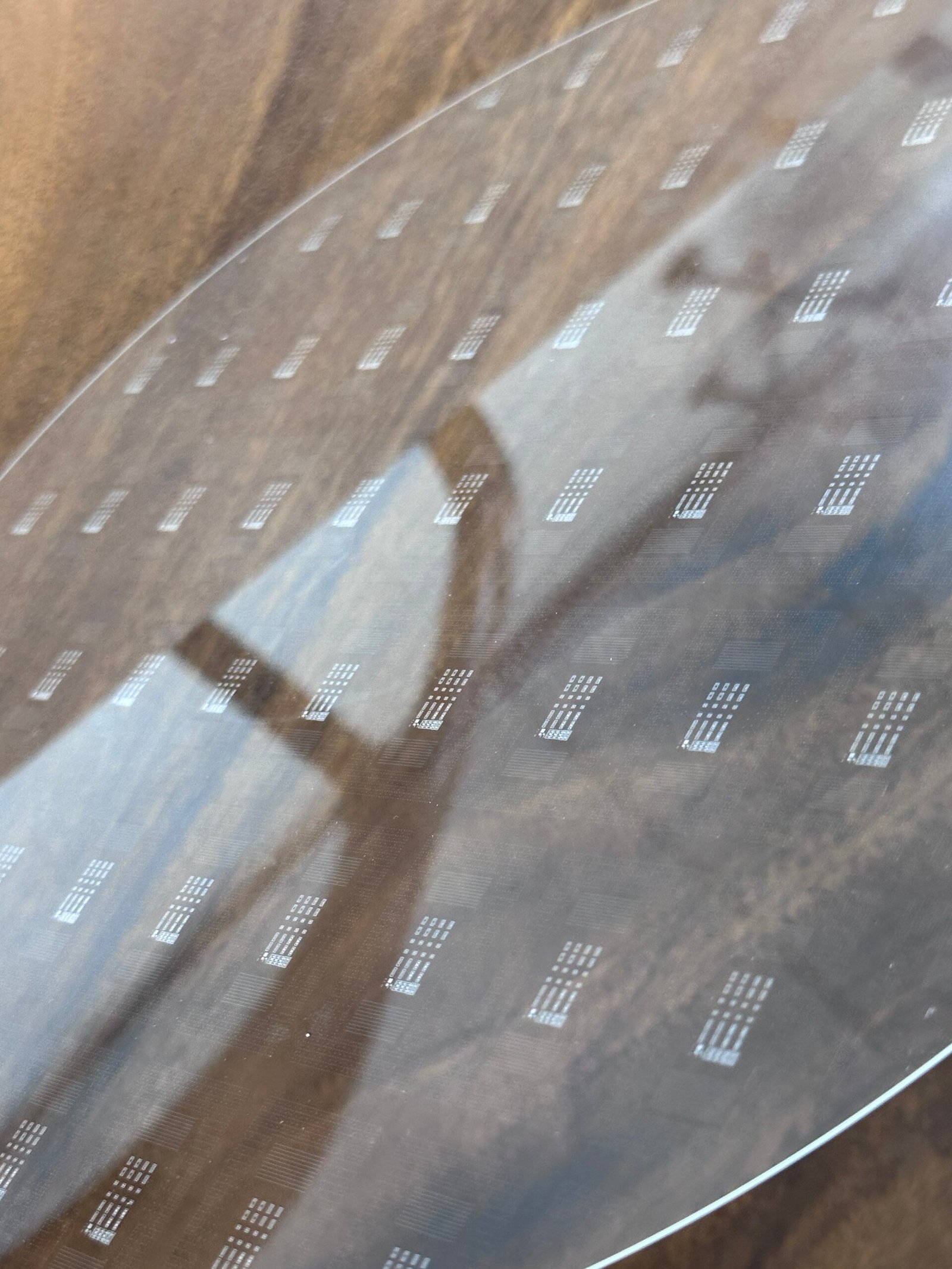
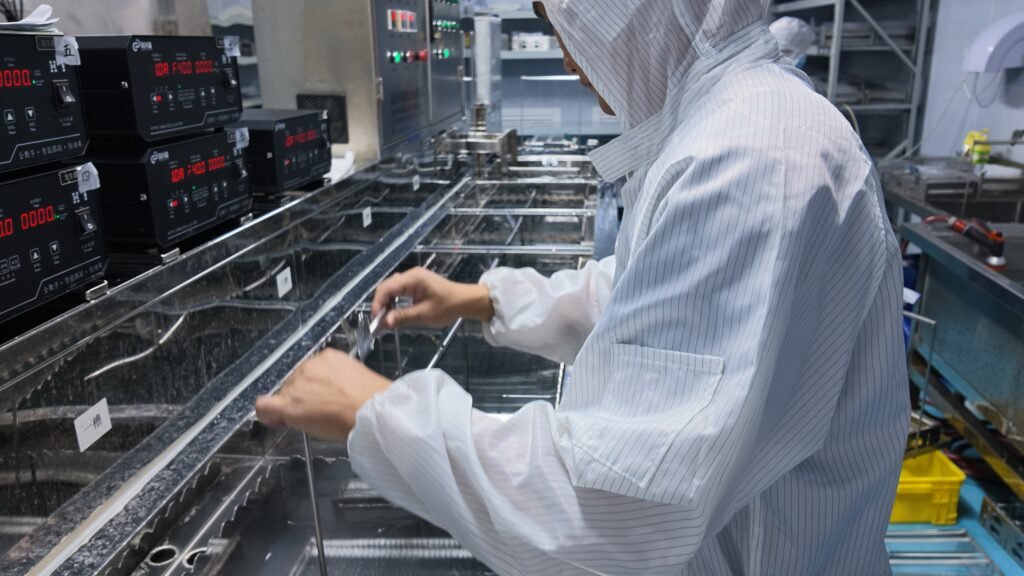
JGS1 synthetic quartz glass surfaces and edges
Material Data Sheet

Typical Performance Parameters of JGS1 Synthetic Quartz

Material compositionSynthetic amorphous SiO₂
Typical spectral rangeApproximately 0.17–2.10 μm
Density2.20 g/cm³
Refractive index / Abbe number1.4586(588 nm)/ 67.6
Coefficient of thermal expansion (CTE)5.5 × 10⁻⁷/K(20–320°C)
Thermal conductivity / specific heat1.4 W/(m·K) / 670 J/(kg·K)
Softening point / annealing point / strain point1683°C / 1215°C / 1120°C
Poisson's ratio0.17
Stress birefringenceTypical reference 2–4 nm/cm
Hydroxyl and impuritiesTypical reference from available sources: approximately 1200 ppm / approximately 5 ppm
The above are typical reference values from available JGS1 documentation; spectral, hydroxyl, impurity, bubble, striae and stress metrics must be confirmed against the actual material source, thickness and batch documents.
Supply Specifications

JGS1 windows, discs and precision optical parts

Available forms and dimensions depend on the raw material available, drawing tolerances and downstream surface processes.

Typical formsDisc / rectangular window / wafer / custom part
Dimensions and thicknessConfirmed against the drawing and material stock
Material documentation

Grade, batch, spectral or internal quality certification confirmed per project

Geometric quality

Dimensions, thickness, flatness, parallelism, TTV and chamfers confirmed against the drawing

Optical surfaces

Surface form, scratch/dig, Ra, pre-coating cleanliness and packaging confirmed by application

Formal supply is governed by material documents, drawings, sample validation and specifications confirmed by both parties.

Material + Processing

From JGS1 material to alignable UV optical components

Processing and inspection should centre on optical surfaces, edge integrity, cleanliness and assembly datums.

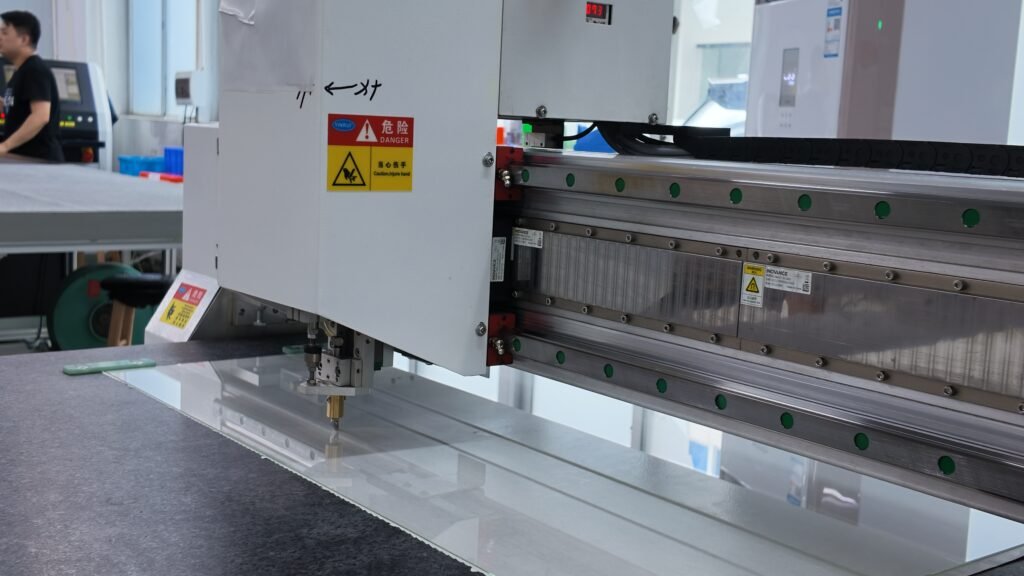
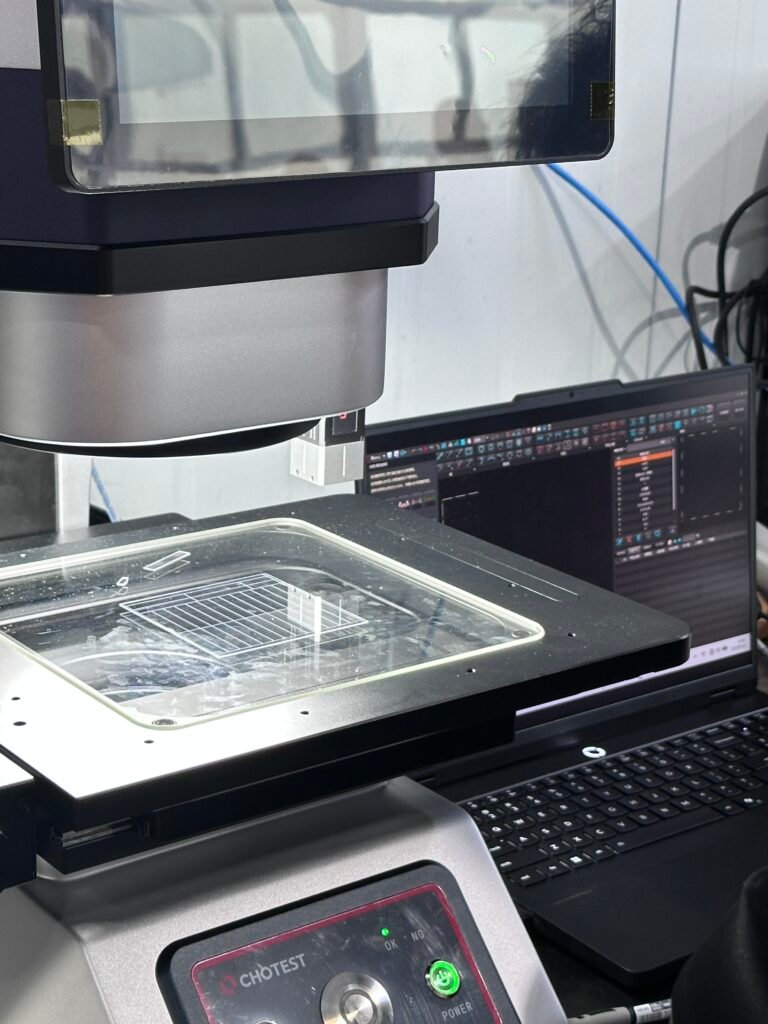
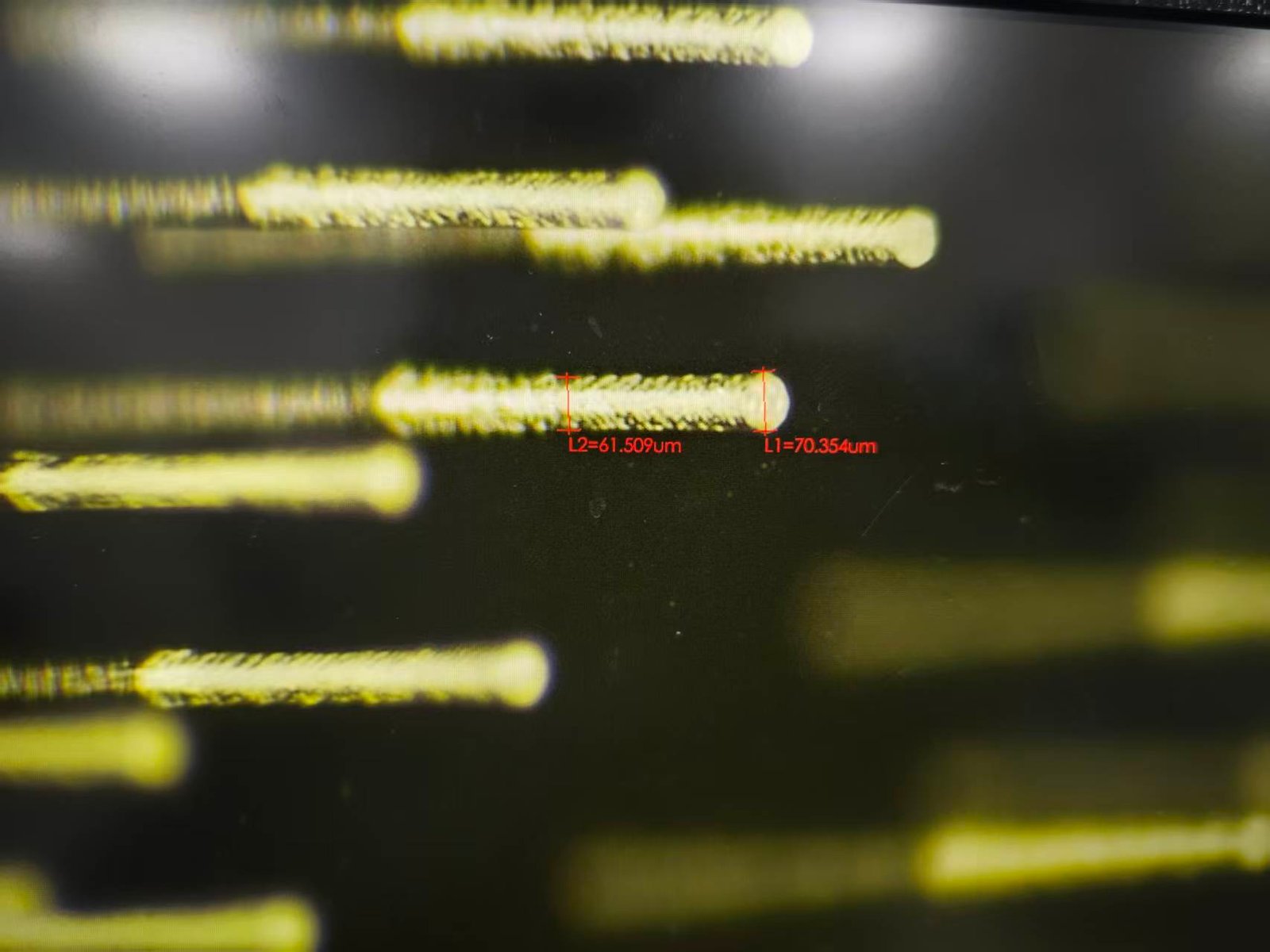
JGS1 synthetic quartz glass precision inspection
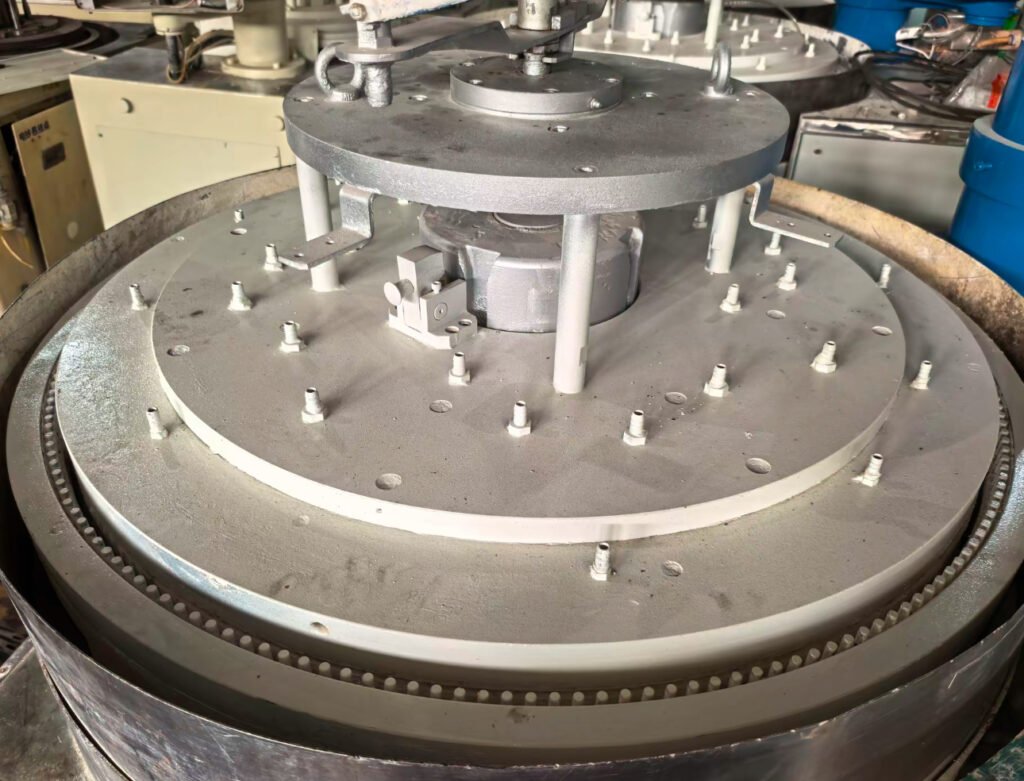
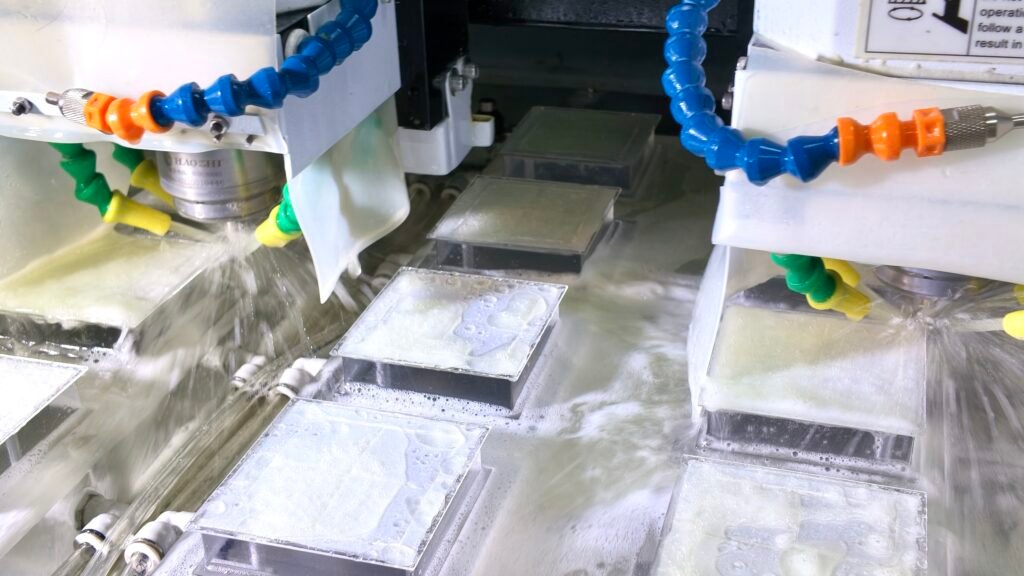
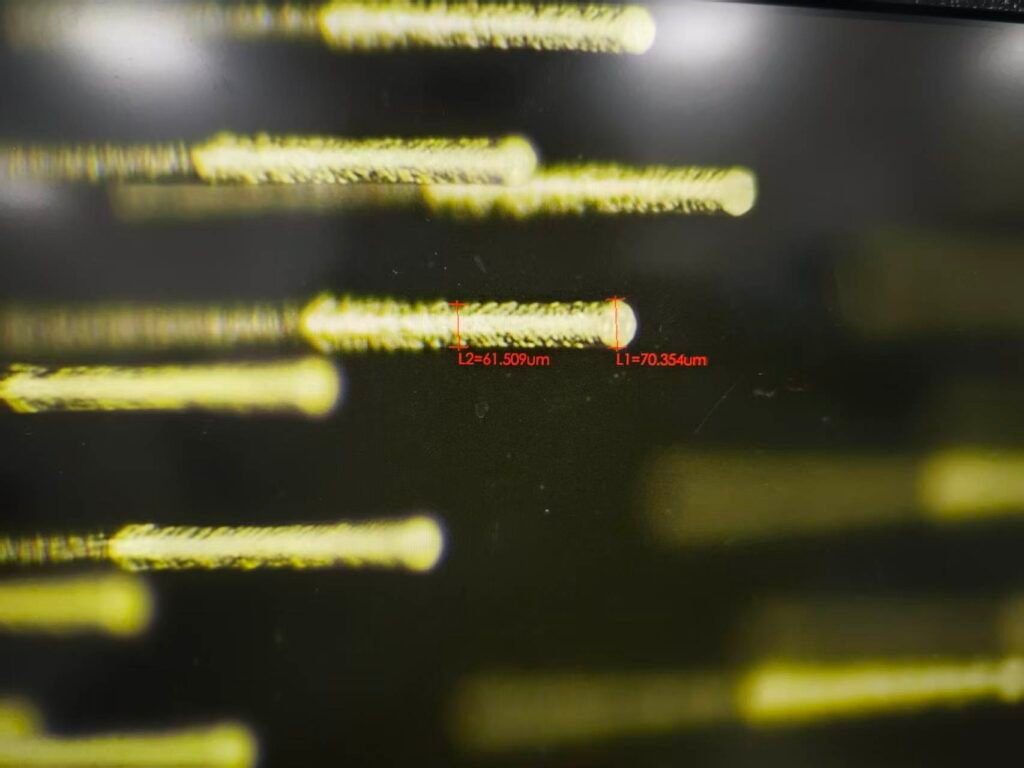
Precision outline, holes and slotsWe support process evaluation for discs, windows, stepped and custom-profiled structures.
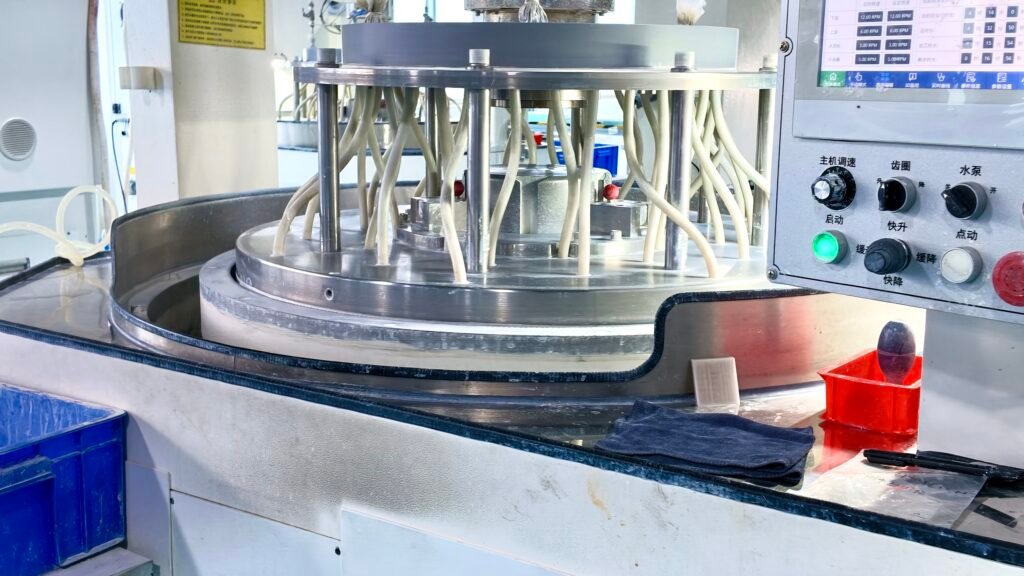
Double-sided lapping and polishingThe route is built around thickness, TTV, parallelism, surface form and roughness.
Optical inspection and clean deliveryAppearance, surface form, dimensions and packaging requirements can be confirmed against the drawing.
For enquiries, please provide outline, thickness, quantity, tolerances, edge style, surface grade, clean packaging, application and required lead time; include a drawing if available.
Typical Applications

Projects Suited to JGS1 Synthetic Quartz

Specific suitability must be validated against the operating band, energy density, temperature, environment and surface specifications.

UV spectroscopy instrumentsWindows and substrates in analytical, inspection and exposure systems.
Laser and imaging systemsProtective windows, lens blanks, mirror substrates and optical path components.
Semiconductor and laboratory equipmentClean windows, carriers and precision laboratory structures.
Precision sensorsTransparent components requiring low thermal expansion and optical stability.
Purchasing FAQ

Frequently asked questions about buying JGS1 synthetic quartz

Is JGS1 suitable for deep UV?

It is normally used for UV applications, but actual transmission depends on material source, thickness, surface and target wavelength and must be confirmed against spectral documents.

How do you choose between JGS1 and other quartz grades?

Choose on operating band, hydroxyl content, impurities, fluorescence, bubbles and striae, and cost together.

Which surface specifications can you achieve?

We can assess lapping, polishing, surface form, parallelism, scratch/dig and Ra; final capability is subject to drawing review.

Can you provide clean packaging?

Cleaning, cleanroom handling, protective film and packaging grade can be confirmed per project.

What information is needed for an enquiry?

Please provide operating wavelength, dimensions, thickness, quantity, tolerances, surface, edges, coating and delivery requirements.

Send us your JGS1 operating band and optical processing requirements

Put the drawing, wavelength, quantity and acceptance conditions in one enquiry so material and process can be assessed together.