LIGHTINGOptical Glass · Precision Processing
Contact Us中文 / English⌕
Single-side ground glass case study
CASE STUDY · Functional Surface Processing

Single-Side Ground Glass Processing Case Study

While protecting the other functional surface, we produce a uniform ground finish on one specified side, controlling roughness consistency, edges and cleanliness.
Project Overview

The complete route from material confirmation to finished-part delivery

Single-side ground glass can be used for diffusion, matting, bonding or functional support. The key to processing is to define the ground face and the protected face, control surface uniformity, and avoid abrasive, particles and handling contamination affecting the other functional face.

Typical materials
Borosilicate glass, fused quartz, alkali-free glass and others
Main operations
Cutting, single-side lapping, edge grinding, cleaning, inspection
Control focus
Ground-finish uniformity, protected face, roughness, cleanliness
Applications
Diffusers, bonding substrates, sensing and laboratory components
Discuss a Similar Project
ENGINEERING GUIDE

Turn "ground finish" into measurable functional requirements

Lighting projects care about haze and angular distribution; bonding projects care about interfacial adhesion; mechanical projects may need only controlled roughness; appearance parts care about colour and uniformity. Do not write only "single-side ground" - state the use and agree the acceptance method.

Applications

Where it can be used

  • Diffusers in LEDs, backlights, light sources and inspection systems
  • Instrument scales, projection, focusing or matte screens
  • Functional substrates before adhesive bonding, coating, printing and encapsulation
  • Rough functional surfaces for sensors, laboratory equipment and microfluidic components
  • Viewing components that transmit on one face and are matte or anti-glare on the other
Material Selection Logic

Why glass

A glass substrate offers a dimensionally stable, heat-resistant, chemically resistant and cleanable functional surface. Single-side grinding adjusts the surface texture while protecting the other face. A mechanically formed rough surface has no coating delamination risk, but scatter, uniformity and cleaning behaviour still need to be confirmed on samples.

Material Selection

Common materials and their applications

MaterialApplicationsSelection focus
BOROFLOAT® 33Industrial diffusing, bonding and laboratory componentsHeat and chemical resistant, with good all-round machinability
Fused SilicaUV, high-temperature, low-CTE or high-purity environmentsProcessing cycle time and cost are usually higher
EAGLE XG® / alkali-free glassThin functional substrates for electronics, thin films or low-alkali useProtect the pristine surface of the other face
Aluminosilicate GlassThin, high-strength or subsequently strengthened applicationsGrinding, holes and slots, and strengthening sequence are evaluated together
Typical Parameters

Common enquiry parameters

ItemCommon starting points or wordingEngineering notes
ThicknessBF33 typically 0.10-3.00 mmOther materials and thicker specifications are evaluated to drawing
Ground roughnessBF33 can be evaluated at Ra 0.10-0.40 μmState the instrument, scan length, filter and measurement points
Haze / total transmittanceDiffusing projects should define bothRa does not replace haze and angular distribution
GlossAppearance or matte projects specify the test angleRecommended to use an approved sample or limit sample
UniformitySpecify centre, edge and multi-point variationDefine large areas and local zones separately
Protected faceSpecify Scratch/Dig or appearance limitsDefine orientation for processing, handling and packaging
Structure and Function

What it usually needs to look like

Commonly full-area single-side ground plates, locally ground windows, ring or border grinding, composite structures with a transparent centre, and dual-function substrates ground on one face and polished on the other. Local grinding requires the boundary and transition zone to be marked.

  • Diffusion and light uniformity, reducing hot spots
  • Matting and anti-glare, reducing specular reflection
  • Form a controlled texture for bonding or coating
  • Create a controlled friction, wetting or scattering interface
Performance Requirements

Performance items recommended for confirmation

  • Ra, haze, total transmittance and gloss
  • Surface uniformity from centre to edge
  • Scratches and digs on the protected face and the appearance of the visible area
  • Low residue, low particles and ease of cleaning
  • Edge integrity and front/back identification
Preparing Your Enquiry

Please provide in the drawing or enquiry

Grinding application, material, size and thickness, full-area or local zone, target Ra/haze/gloss, protected-face standard, colour or limit sample, edges, subsequent bonding/coating, quantity and packaging method.

The parameters above are for preliminary material and process selection and do not constitute a uniform guarantee for all dimensions, thicknesses and materials. Final specifications, measurement methods and delivery standards are governed by the drawing, samples and order documents confirmed by both parties.

01

Functional face definition

Specify the ground face, protected face, effective area and roughness or appearance requirements in the drawing.

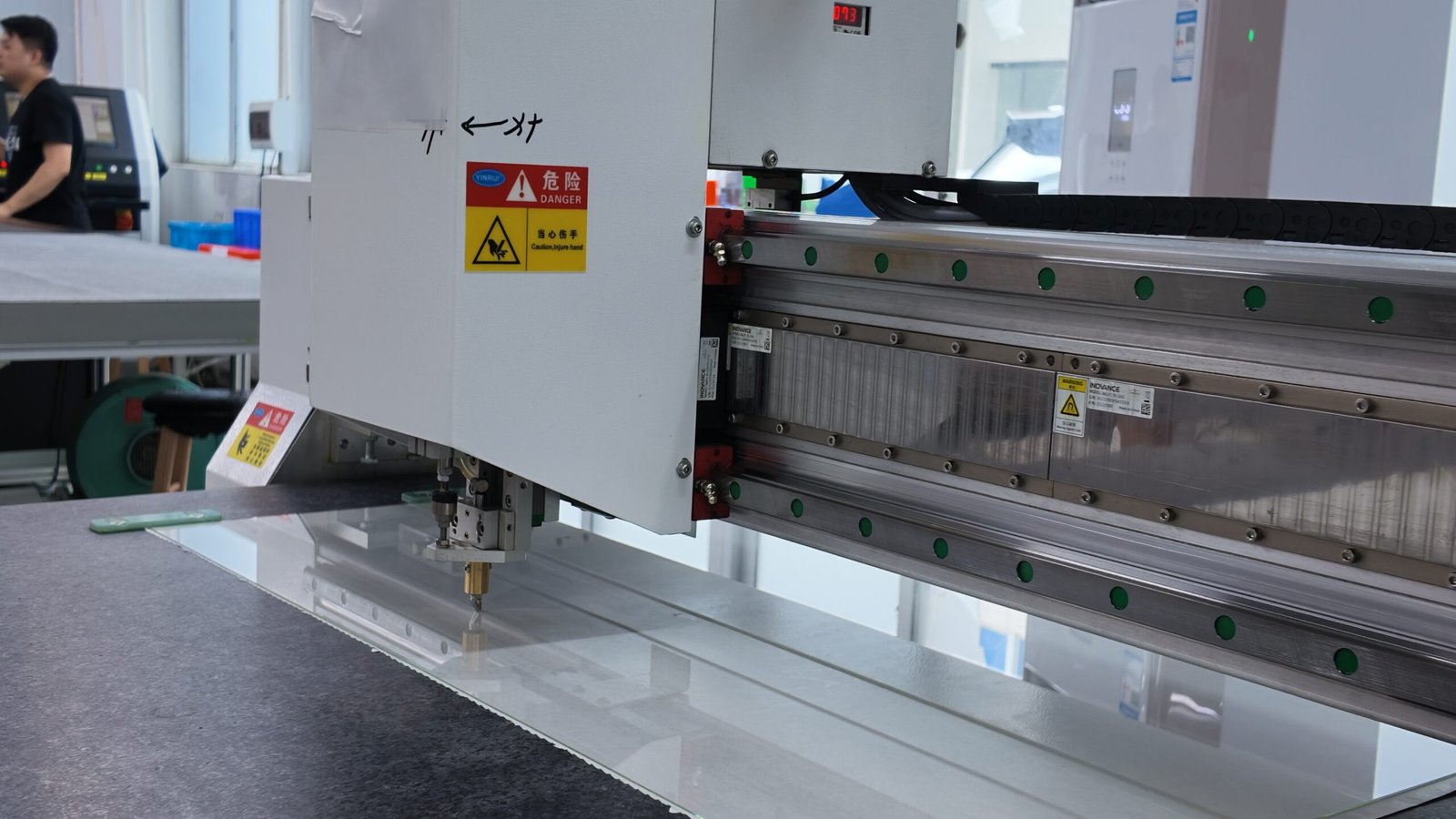
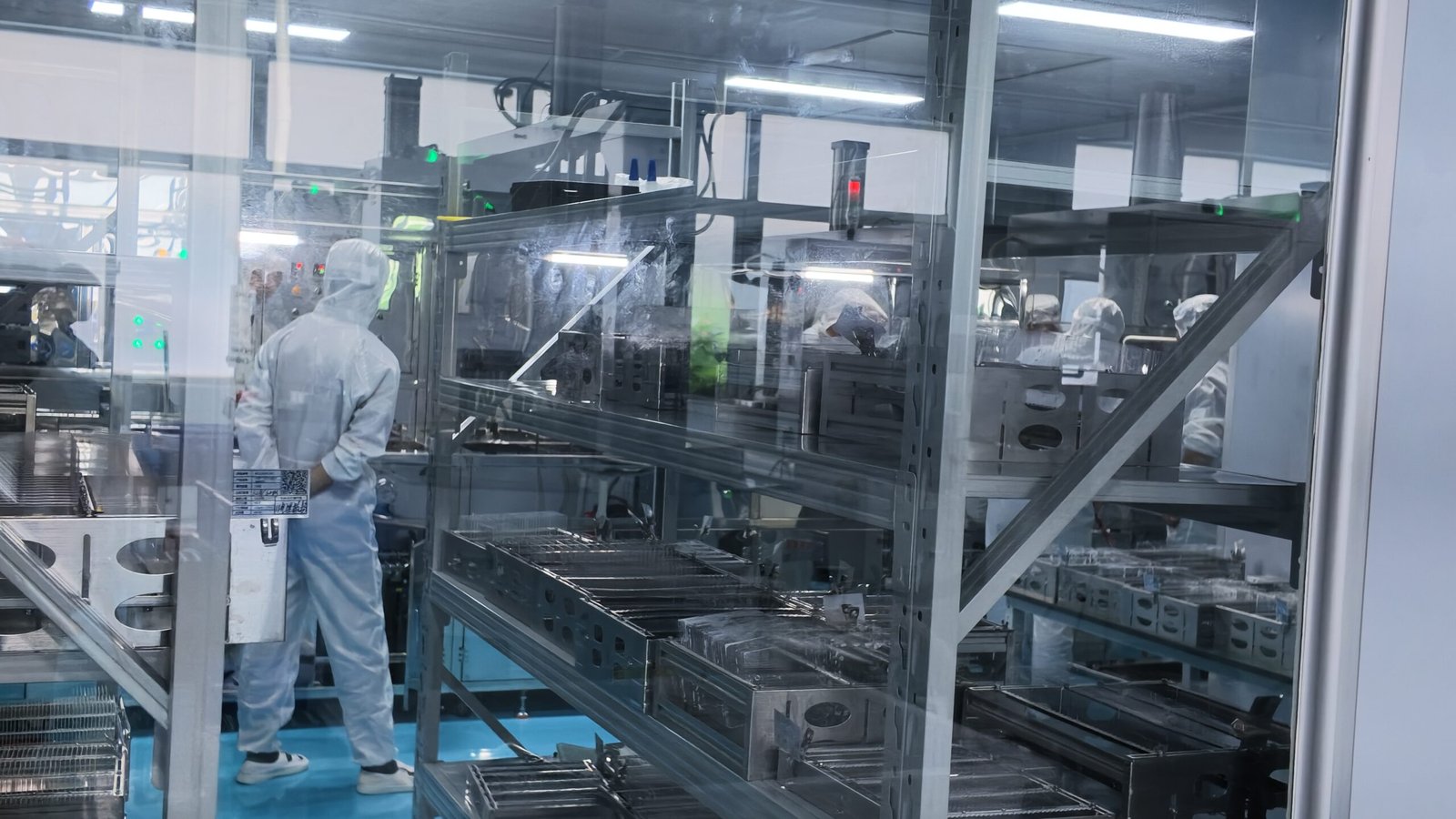
Single-side ground glass processing and material preparationSingle-side ground glass processing inspection
02

Masking and single-side processing

Protect the non-processed face and select suitable abrasive and process cycle according to the material and target surface.

03

Edge and particle control

Complete outline and edge treatment, reducing edge defects and migration of abrasive particles to the functional face.

04

Cleaning and uniformity check

Remove process residue and check ground-finish consistency, protected face appearance, dimensions and packaging condition.

Start material selection and processing requirements from the same drawing

Send the drawing and key acceptance items and we will assess the project together with the material and process route.