
GLASS MATERIALS
Glass Materials
Select the right technical glass from thermal expansion, spectrum, thickness and downstream processing conditions.
Select the right technical glass from thermal expansion, spectrum, thickness and downstream processing conditions.
The materials archive reuses the material card logic from the product pages, so users compare materials first and then open a specific grade.

A 3.3 borosilicate float glass with low thermal expansion and high transparency.
View Material ↗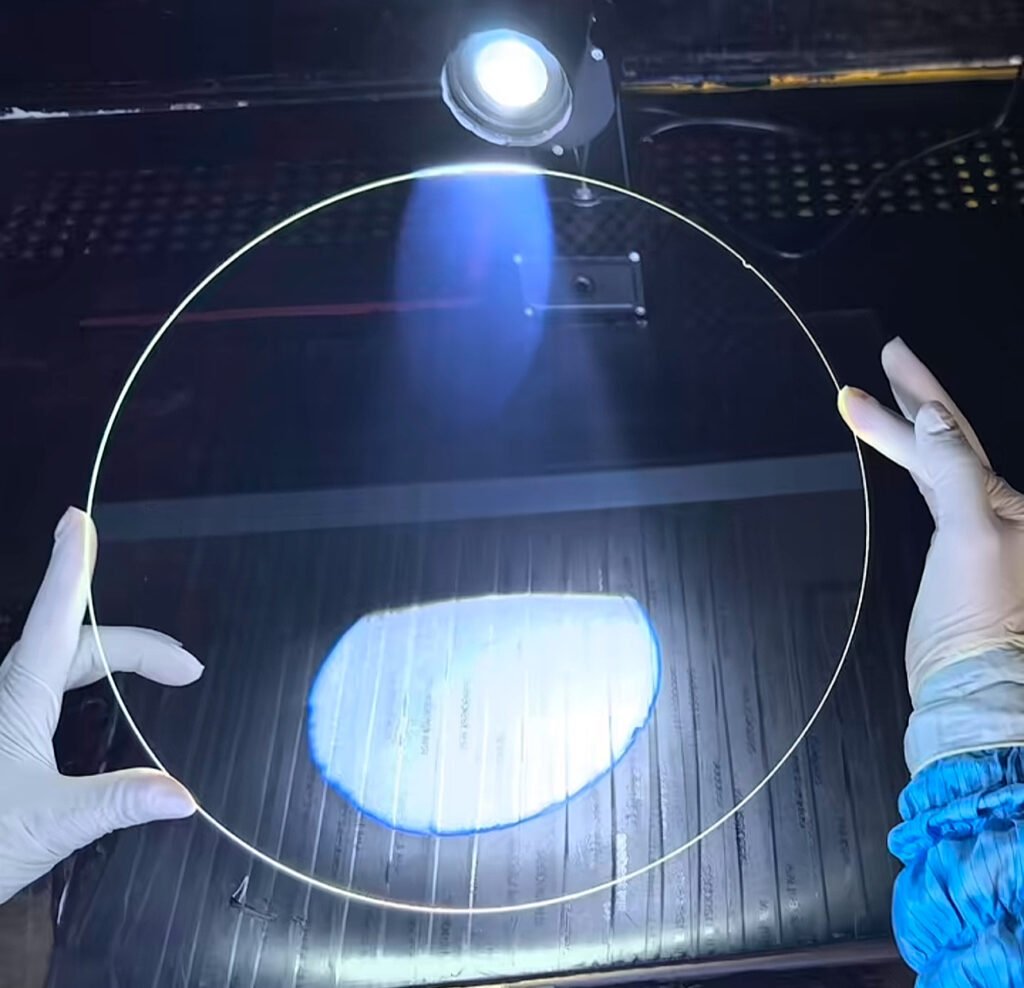
An alkali-free, fusion-drawn wafer-level substrate glass for optics and microelectronics, combining an excellent pristine surface, low CTE and high dimensional stability.
View Material ↗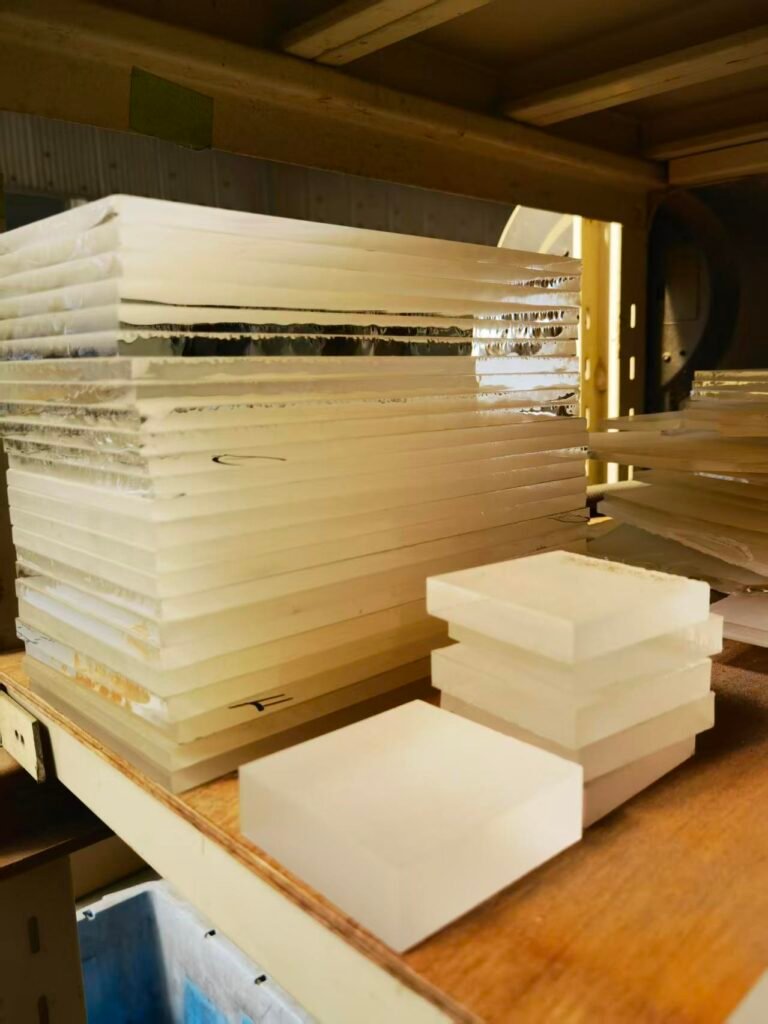
High-purity fused silica glass for UV, laser, semiconductor and high-temperature environments, available with precision processing into windows, substrates, wafers and custom shapes.
View Material ↗
A semiconductor-grade borosilicate glass for MEMS, optical sensing and wafer-level packaging, with an optical-grade surface, low TTV and a CTE matched to silicon.
View Material ↗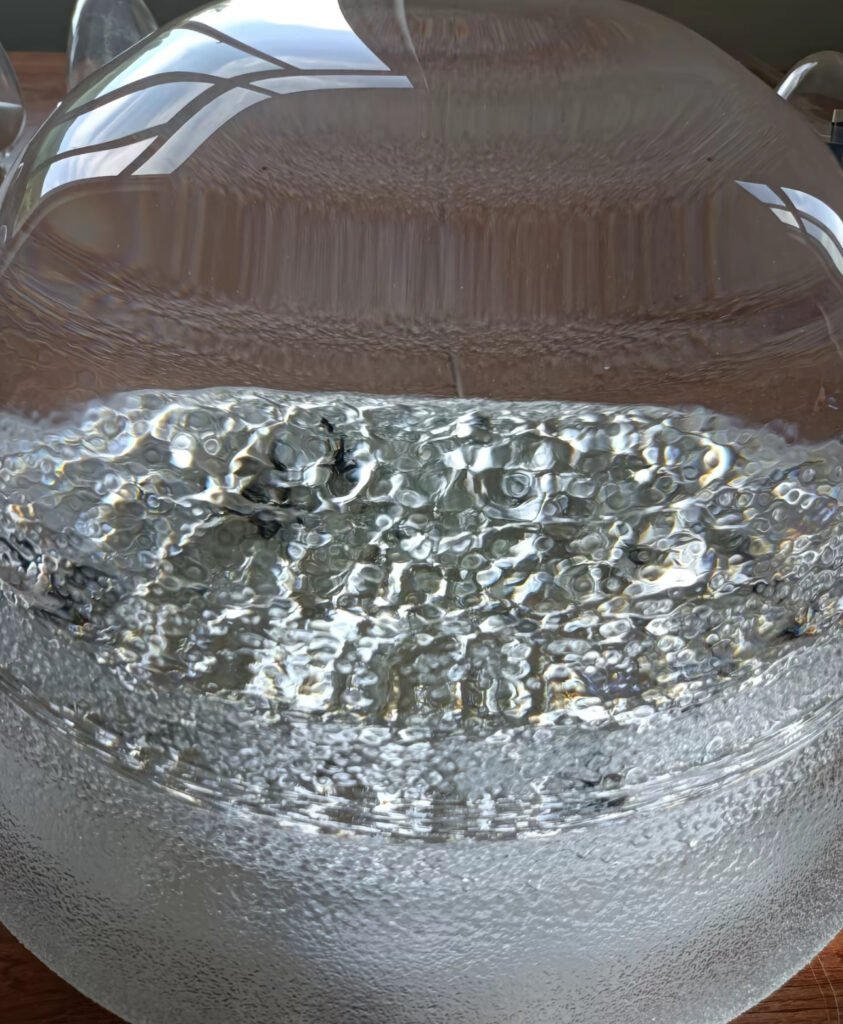
JGS1 synthetic quartz glass for UV, laser and precision optical windows, available as wafers and custom shapes with grinding, double-sided polishing and clean delivery.
View Material ↗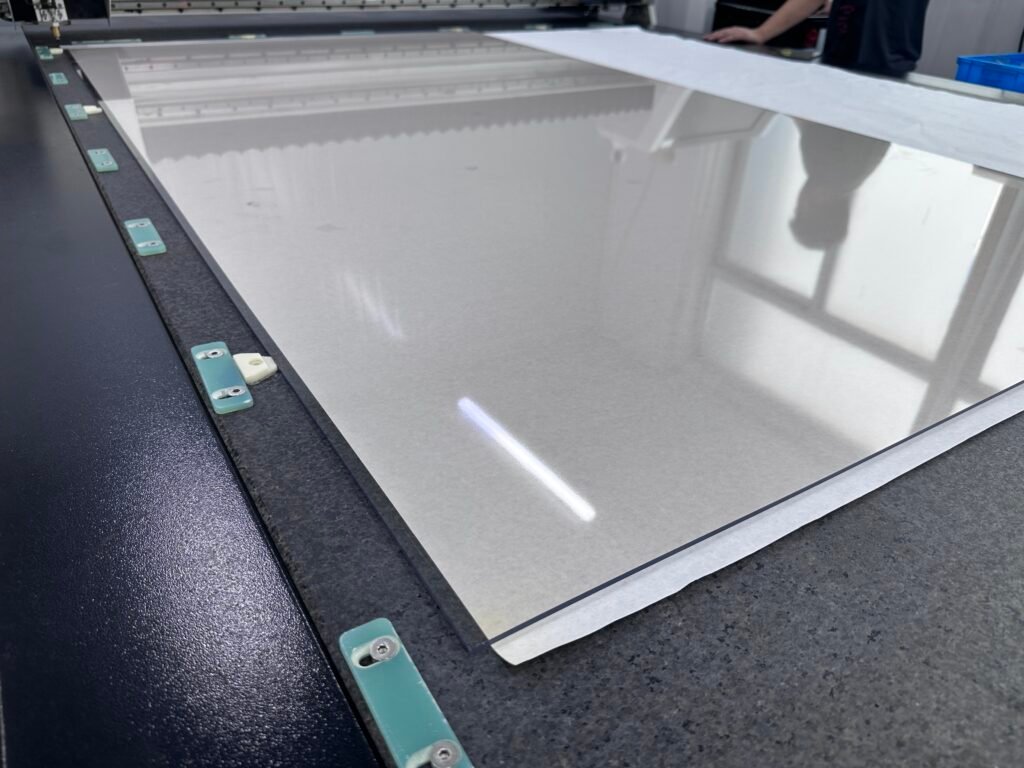
SCHOTT ROBAX® transparent glass-ceramic with near-zero thermal expansion, high-temperature stability and thermal shock resistance, for fireplace and stove viewing panels as well as custom flat, curved and bent parts.
View Material ↗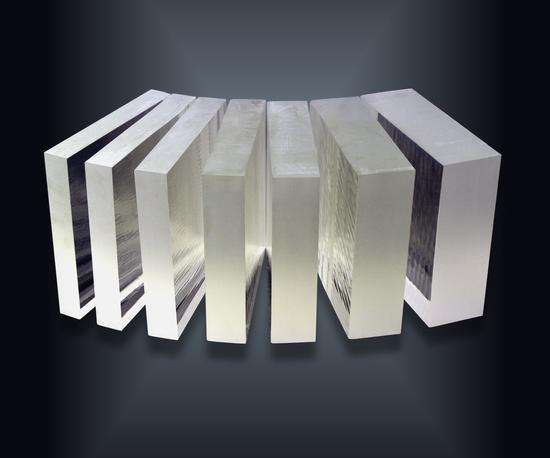
SCHOTT SUPREMAX® 33 rolled type 3.3 ultra-thick borosilicate glass, 28.6–57.2 mm thick, combining low thermal expansion, high thermal stability, light transmission and chemical durability, available with build-to-print precision processing.
View Material ↗
A low-alkali or alkali-free electronic-grade glass substrate for displays, sensing, thin-film devices and precision electronic structures, with thin-sheet cutting, grinding and polishing, cleaning and inspection.
View Material ↗
A high-strength aluminosilicate glass with a high softening point, for display cover glass, sensor windows and precision electronic substrates, with thin-sheet cutting, edge grinding, holes and slots, and surface processing.
View Material ↗
A high borosilicate glass with low thermal expansion, thermal shock resistance and chemical resistance, for viewing windows, lighting, laboratory equipment and precision industrial components, available with build-to-print processing.
View Material ↗Operating wavelength, temperature variation, structural thickness, dimensional stability, cleanliness requirements and downstream cutting, polishing, drilling and coating all influence material selection.
When materials and processing are reviewed by the same team, conflicts where a material suits the application but not the downstream process are found earlier.
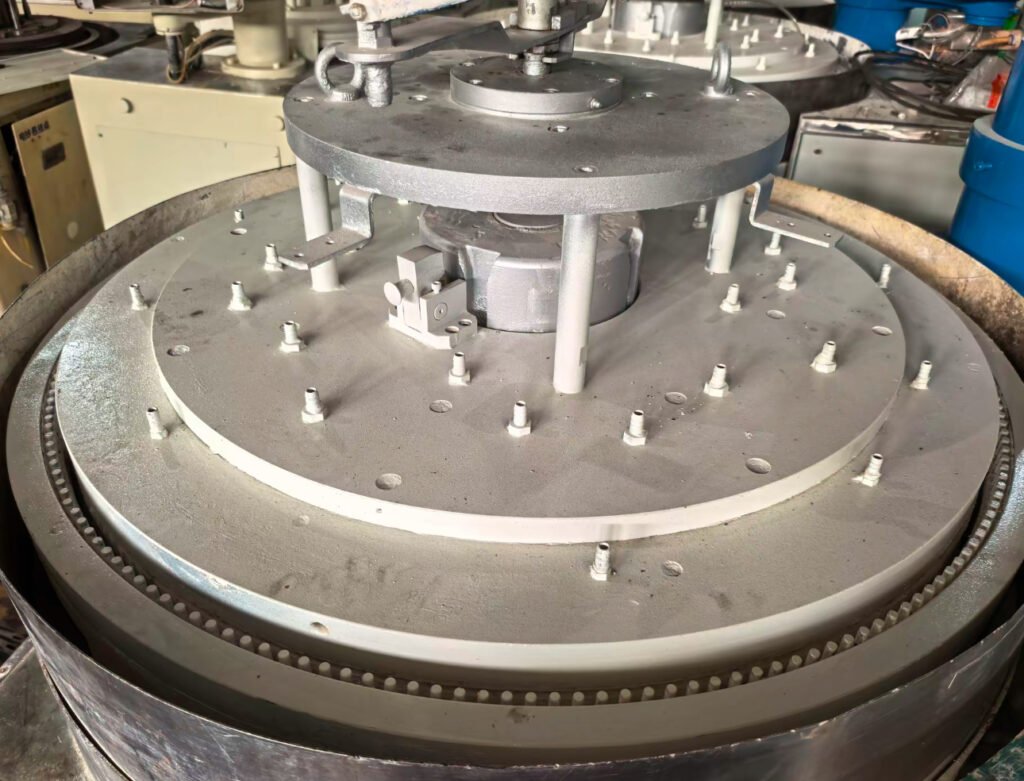
Precision glass processing services. Precision glass grinding. For borosilicate glass, aluminosilicate glass, …
View Processing ↗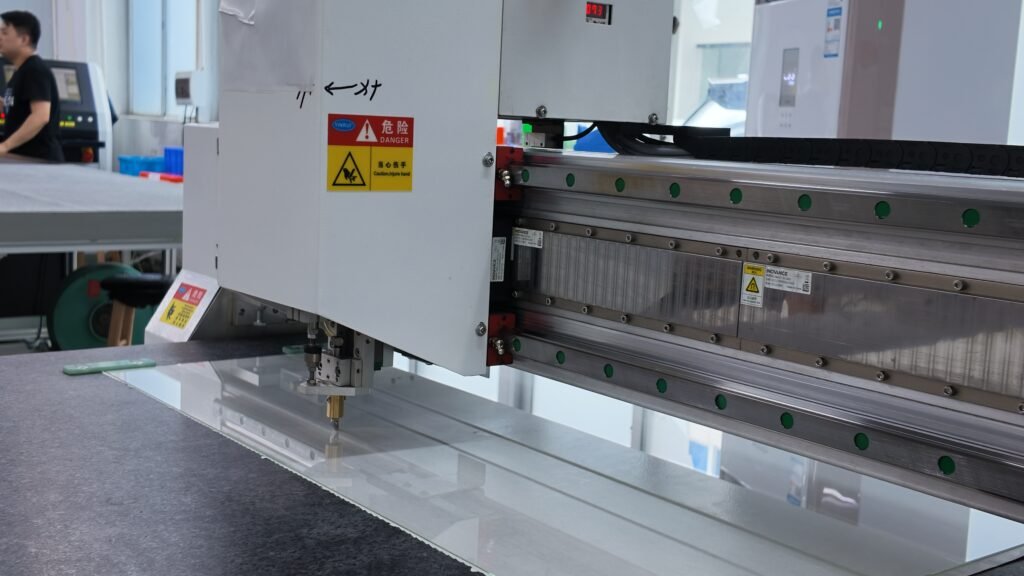
We plan the glass cutting route around dimensions, datums, edge condition and downstream operations, reviewing outline, cutting allowance and delivery requirements against the drawing.
View Processing ↗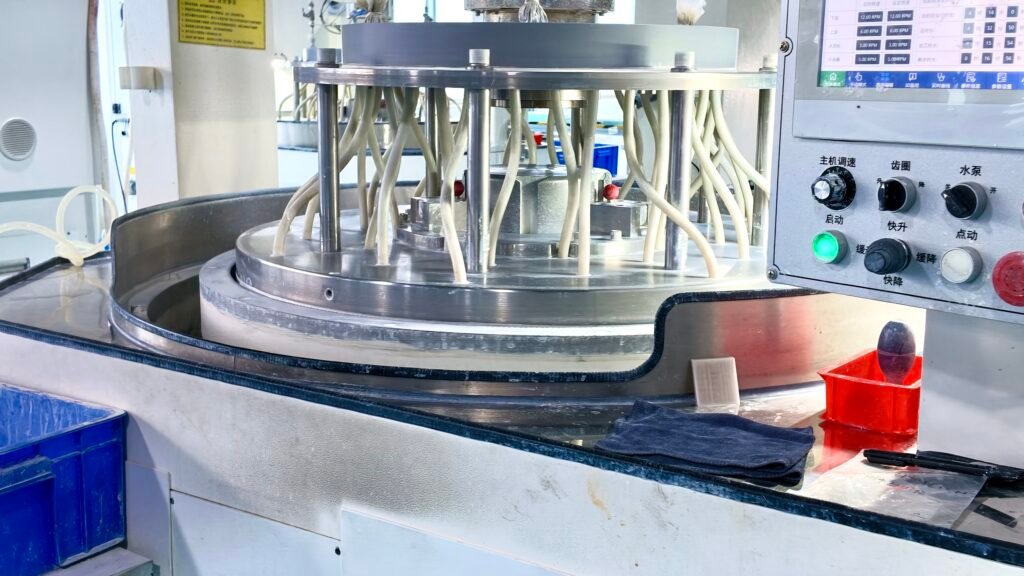
Grinding and polishing operations are arranged around thickness, parallelism, flatness and surface requirements, with the process route and inspection method confirmed per project.
View Processing ↗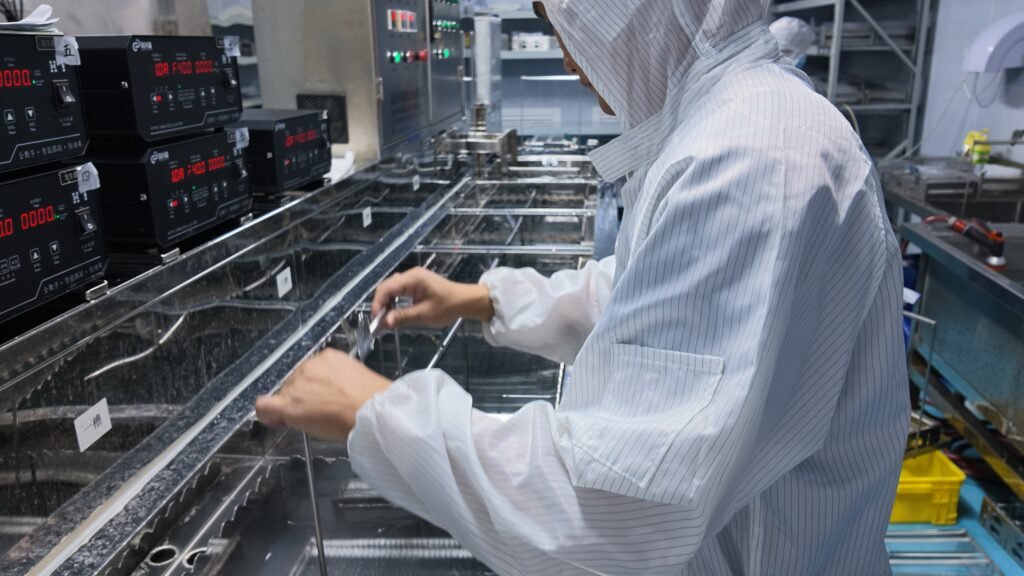
We control particles, residues and water marks after processing, and confirm cleaning, handling and packaging requirements against coating, bonding or assembly needs.
View Processing ↗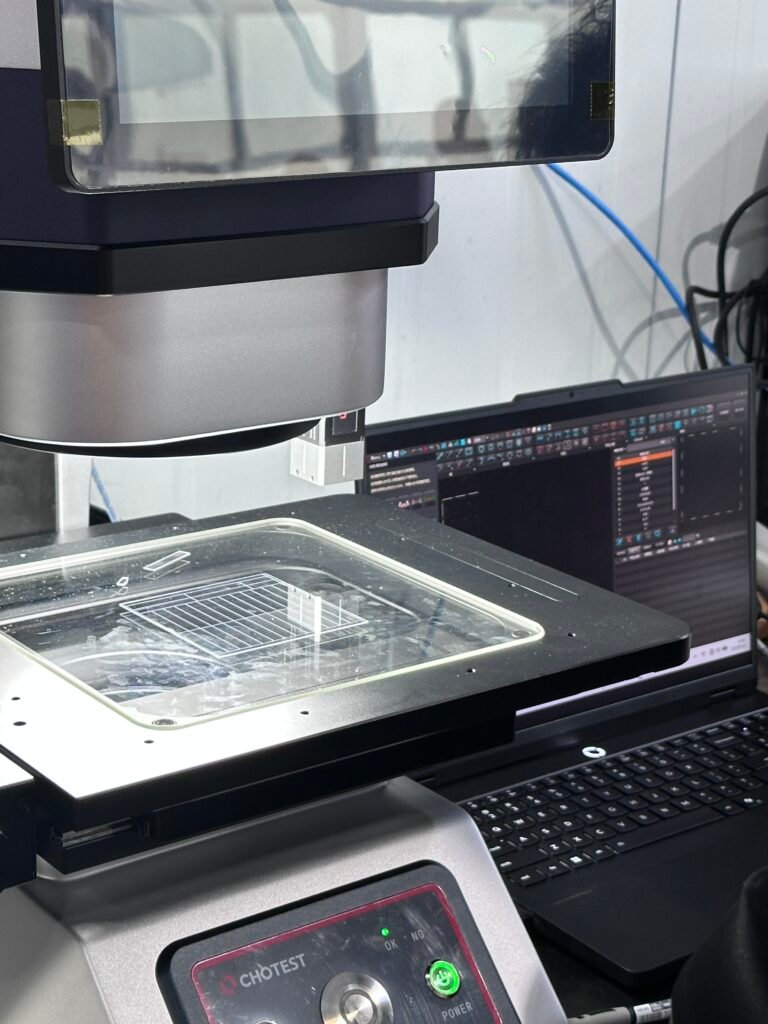
Glass dimensions, edges and surfaces are inspected against the drawing and the agreed acceptance items, with inspection methods, sampling scope and delivery records defined.
View Processing ↗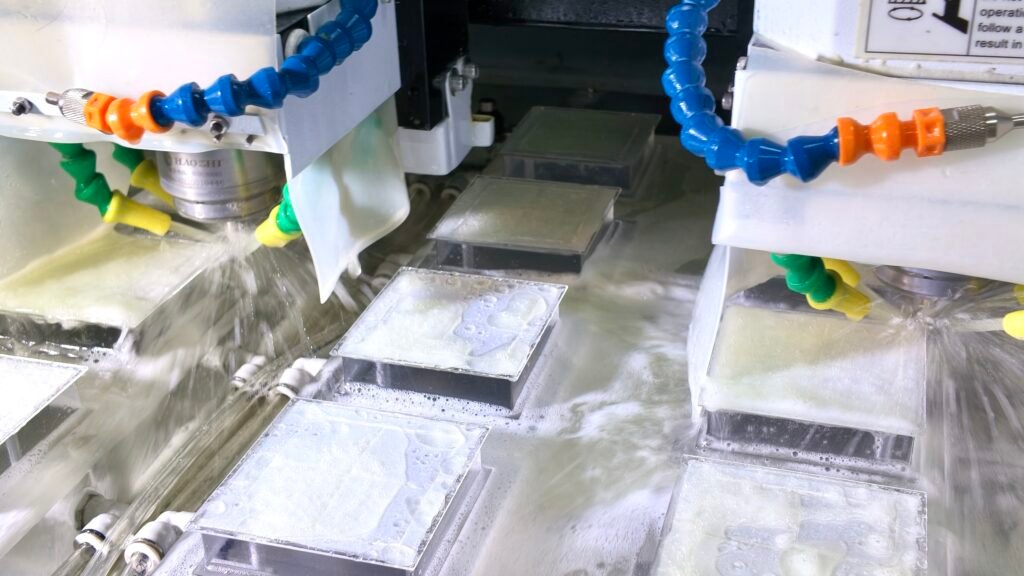
We address sharp edges and local edge defects after cutting, confirming edge grinding and chamfer styles and edge acceptance criteria against assembly requirements.
View Processing ↗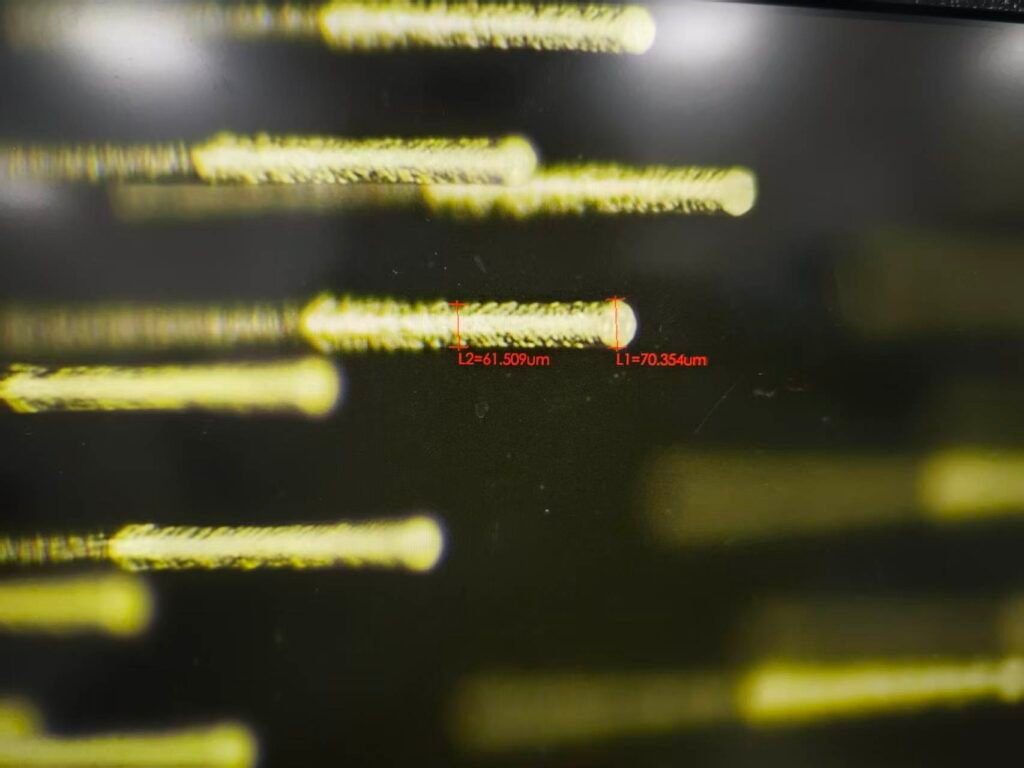
For micro-holes, hole arrays and local openings in glass, we evaluate laser drilling options based on material, thickness and hole geometry.
View Processing ↗