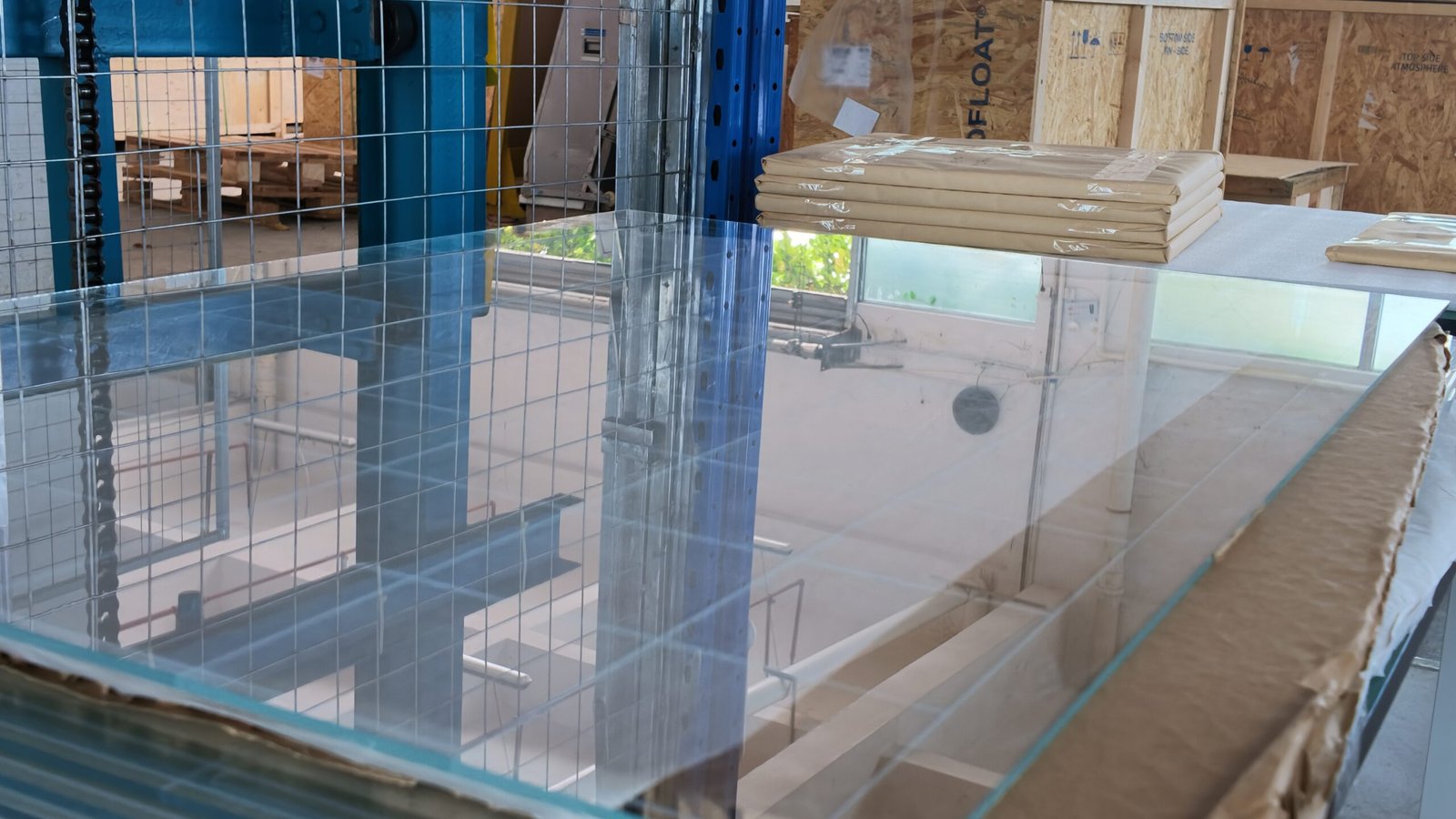
Double-Sided Polished Glass Processing Case Study
Around thickness, parallelism, flatness and two-sided appearance, we build a continuous flow from material cutting to double-sided polishing, cleaning and inspection.
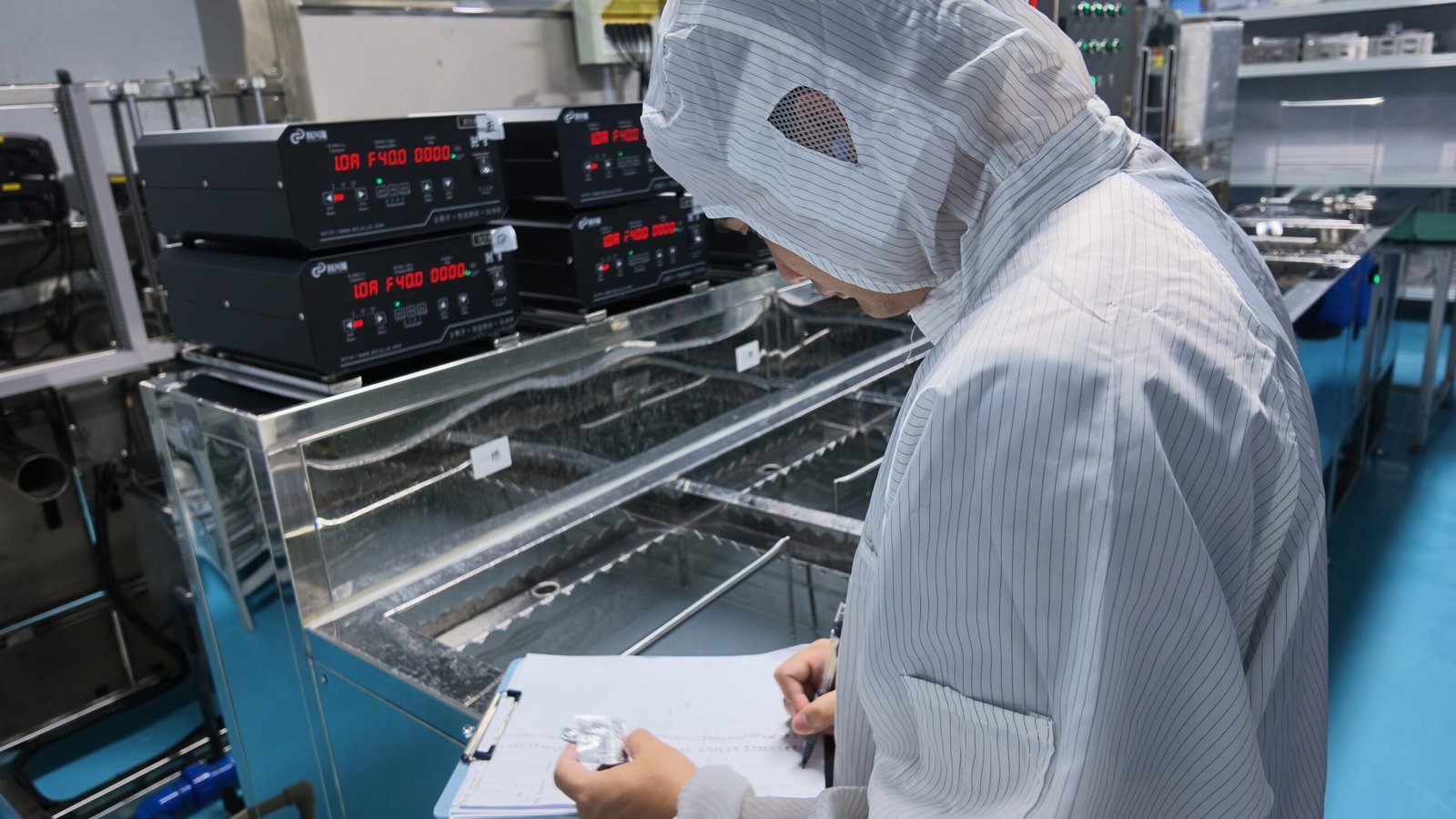
Around thickness, parallelism, flatness and two-sided appearance, we build a continuous flow from material cutting to double-sided polishing, cleaning and inspection.


Double-sided polished glass is often used for optical windows, precision substrates and functional carriers. Processing must consider material removal, thickness uniformity, parallelism of the two faces, edge protection and the cleaning method together, avoiding focus on a single surface at the expense of overall geometry.
Confirm material grade, initial thickness, dimensions, processing allowance and effective area, and set up batch identification.


Staged lapping controls thickness and the relationship between the two faces while leaving a uniform allowance for fine polishing.
The polishing cycle is set by surface grade and geometric requirements, with thickness variation and surface defects continuously controlled.
Remove polishing residue, check two-sided appearance, edges and critical dimensions, and package with separation as required.
Send the drawing and key acceptance items and we will assess the project together with the material and process route.