LIGHTINGOptical Glass · Precision Processing
Contact UsChinese / English⌕
Glass cover plate case study
CASE STUDY · Protective and Packaging Glass

Glass Cover Plate Processing Case Study

For equipment windows, sensor protection covers and electronic component lids, we assess material, hole positions, edges, surfaces and assembly requirements together.

Project Overview

The complete route from material confirmation to finished-part delivery

A glass cover plate often does more than protect: it may also provide light transmission, sealing, positioning or insulation. Projects need to choose the material according to service temperature, operating band, assembly method and environmental conditions, and put hole positions, chamfers, surface and cleanliness requirements into one drawing.

Typical materials
BOROFLOAT® 33, EAGLE XG®, fused quartz and others
Main operations
Cutting, drilling, profile edge grinding, lapping and polishing, cleaning
Control focus
Outline, hole positions, edges, light-transmitting area and appearance
Applications
Equipment windows, sensors, electronic and optical packaging
Discuss a Similar Project
ENGINEERING GUIDE

Determine the material and lid structure from the operating environment

A glass cover plate is not only a protective part; it may also provide light transmission, isolation, sealing, electrical insulation, positioning and load bearing. Material, thickness, holes and slots, clear aperture and mounting method must be evaluated together.

Applications

Where it can be used

  • Protective windows for cameras, LiDAR, photoelectric and visible/near-infrared sensors
  • Viewing windows, instrument display windows and inspection windows for industrial equipment
  • Package lids for MEMS, microelectronics, LEDs, detectors and optics
  • Isolation windows in fluid, vacuum or laboratory equipment
  • Transparent protective structures for displays, touch panels and human-machine interfaces
Material Selection Logic

Why glass

Glass provides electrical insulation, chemical resistance, ageing resistance and dimensional stability while remaining transparent. The right material and thickness balance optical transmission, thermal expansion, mechanical reliability and cost.

Material Selection

Common materials and their applications

MaterialApplicationsSelection focus
BOROFLOAT® 33Industrial windows, instrument lids and sensor protectionLow expansion, heat and chemical resistant, with a broad specification range
Fused quartz / JGS1UV, laser, low-CTE and high-temperature windowsConfirm the working band, energy density and material grade
EAGLE XG® / alkali-free glassElectronics, displays, thin films and low-alkali environmentsWatch the strain point, surface and ionic contamination
Aluminosilicate GlassThin lids requiring strengthening or higher impact resistanceGrade and chemical strengthening process must be matched
PYREX® Micro-ElectroLids for MEMS, glass-silicon packaging and microfluidicsSuitable for evaluating anodic bonding and wafer-level processing
Typical Parameters

Common enquiry parameters

ItemCommon starting points or wordingEngineering notes
ThicknessThin lids are commonly 0.20-1.10 mm; industrial windows commonly 1-10 mmGreater thicknesses are evaluated per material
Outline toleranceGenerally discussed from ±0.10 mm; precision small parts can be evaluated from ±0.03-0.05 mmDepends on size, thickness and processing method
Holes and slotsThrough holes, blind holes, long slots, windows and array holesSpecify inlet/outlet hole diameter, taper, hole-to-edge distance and allowable chipping
ChamferCommonly C0.1-C0.5, or designed to sheet thicknessAvoid encroaching on the sealing zone and clear aperture
Surface qualityOptical surfaces are commonly discussed from 60/40 or 40/20State the standard, clear aperture and pre-coating requirements
Flatness / parallelismDefined by sealing, bonding, imaging or beam deflectionGive the measurement area, support and method
Structure and Function

What it usually needs to look like

Available as rectangular or circular flat plates, protective windows with radiused corners, panels with mounting holes or slots, stepped lids, ring windows, wafer-level lids, or dual-function parts ground on one face and polished on the other.

  • Isolate dust, liquids, contact and the processing environment
  • Pass the target band while controlling scatter and reflection
  • Provide a sealing boundary that can be bonded, joined or compressed
  • Serve as an electrically insulating, positioning and transparent load-bearing structure
Performance Requirements

Performance items recommended for confirmation

  • Target-band transmittance and clear-aperture surface quality
  • Thermal expansion, operating temperature and thermal cycling stability
  • Chemical durability and compatibility with cleaning media
  • Flatness, parallelism, hole positions and edge strength
  • Low particles, low residue and coating/bonding compatibility
Preparing Your Enquiry

Please provide in the drawing or enquiry

Working band, operating temperature, environmental medium, size and thickness, holes and slots, mounting/sealing method, clear aperture, surface grade, flatness, chamfer, subsequent coating/printing/strengthening, quantity and packaging requirements.

The parameters above are for preliminary material and process selection and do not constitute a uniform guarantee for all dimensions, thicknesses and materials. Final specifications, measurement methods and delivery standards are governed by the drawing, samples and order documents confirmed by both parties.

01

Application and Material Selection

Confirm the appropriate glass material from temperature, thermal expansion, transmission band, thickness and chemical environment.

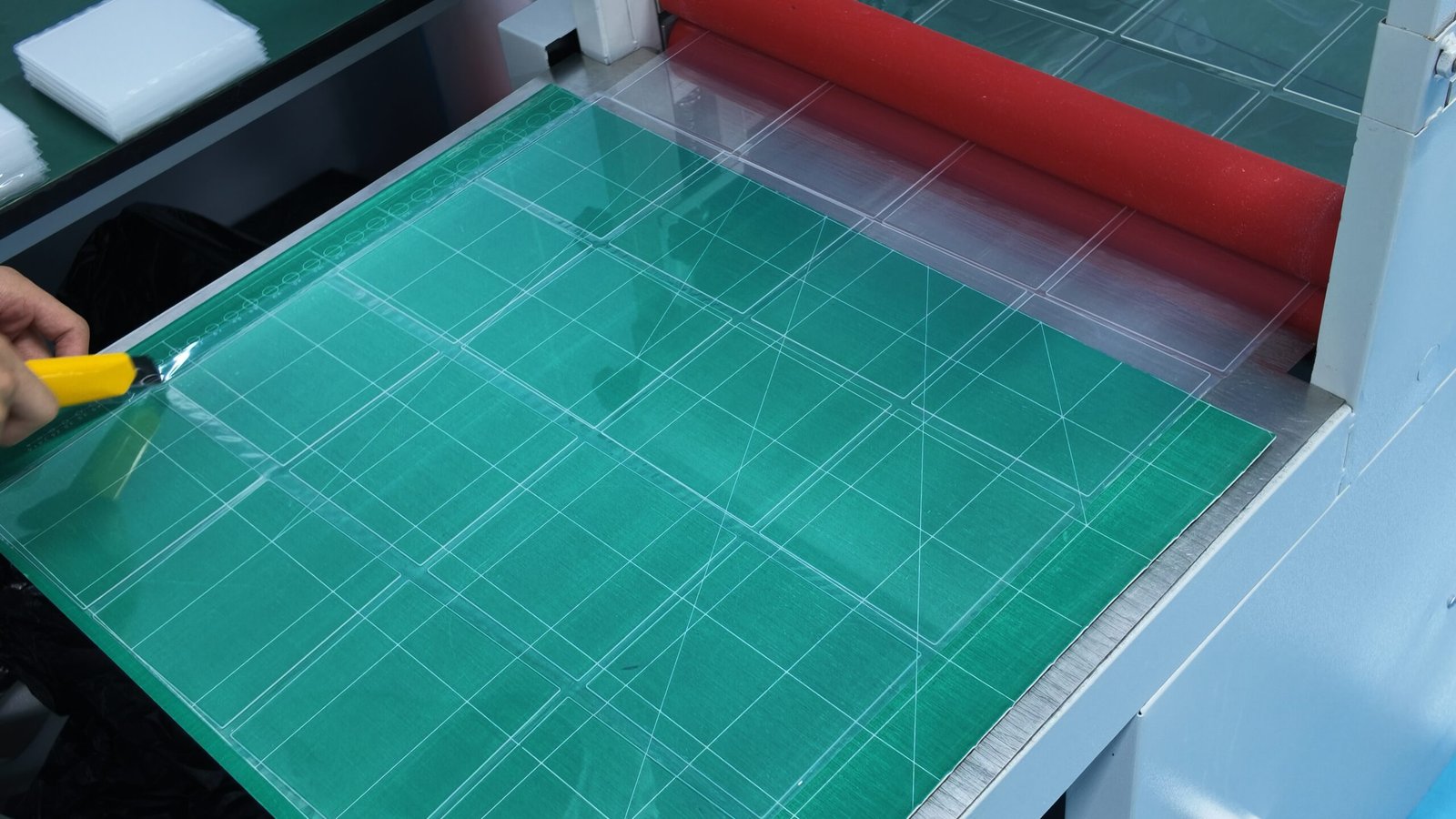
Glass cover plate processing and material preparationGlass cover plate processing inspection
02

Outline and hole machining

Complete cutting, hole positions and custom profiles against the assembly datum, taking processing allowance and subsequent edge treatment into account.

03

Surface and edge control

Schedule lapping, polishing, edge grinding and chamfering according to the functional zones, with particular protection for the effective light-transmitting area.

04

Cleaning, packaging and acceptance

Check dimensions, hole positions, edges and surface condition, and complete cleaning and packaging according to downstream coating, lamination or assembly requirements.

Start material selection and processing requirements from the same drawing

Send the drawing and key acceptance items and we will assess the project together with the material and process route.