A glass material family used in display, electronic and precision substrate applications. Composition, thickness, thermal and optical properties vary by grade. Use documentation for the selected material and the project drawing for specification.
Alkali-free aluminoborosilicate glass is a family of technical glasses whose network contains silicon, aluminium and boron oxides, with controlled alkali-metal oxide content. It is considered for substrates where ionic contamination, surface condition, dimensional stability and compatibility with downstream processes matter. “Alkali-free” describes a material family; it does not mean that every supplier, grade or batch has identical composition or properties.
Control alkali-metal effectsCheck the specified grade’s alkali content against the device process and its sensitivity to ion migration.Check thermal compatibilityCompare thermal expansion, strain point and permitted process temperature with manufacturer documentation and mating materials.Specify surface and geometryDefine thickness, TTV, warp, surface defects, edges and cleanliness for the intended application.
Material Selection and Processing Considerations
Glasses within this family can differ in available thickness, spectral transmission, thermal expansion and surface condition because of their composition and forming method. For an optical window, electronic package or glass substrate, establish the working wavelength, temperature history and bonding or coating process before reviewing the selected grade’s manufacturer documentation.
Plan cutting, fixturing, edge finishing, cleaning and inspection around the starting sheet thickness and dimensions. Handling thin sheets and controlling edge microchips matter during assembly. If TTV, flatness, roughness or particles are critical, state the measurement method and inspection area on the drawing.
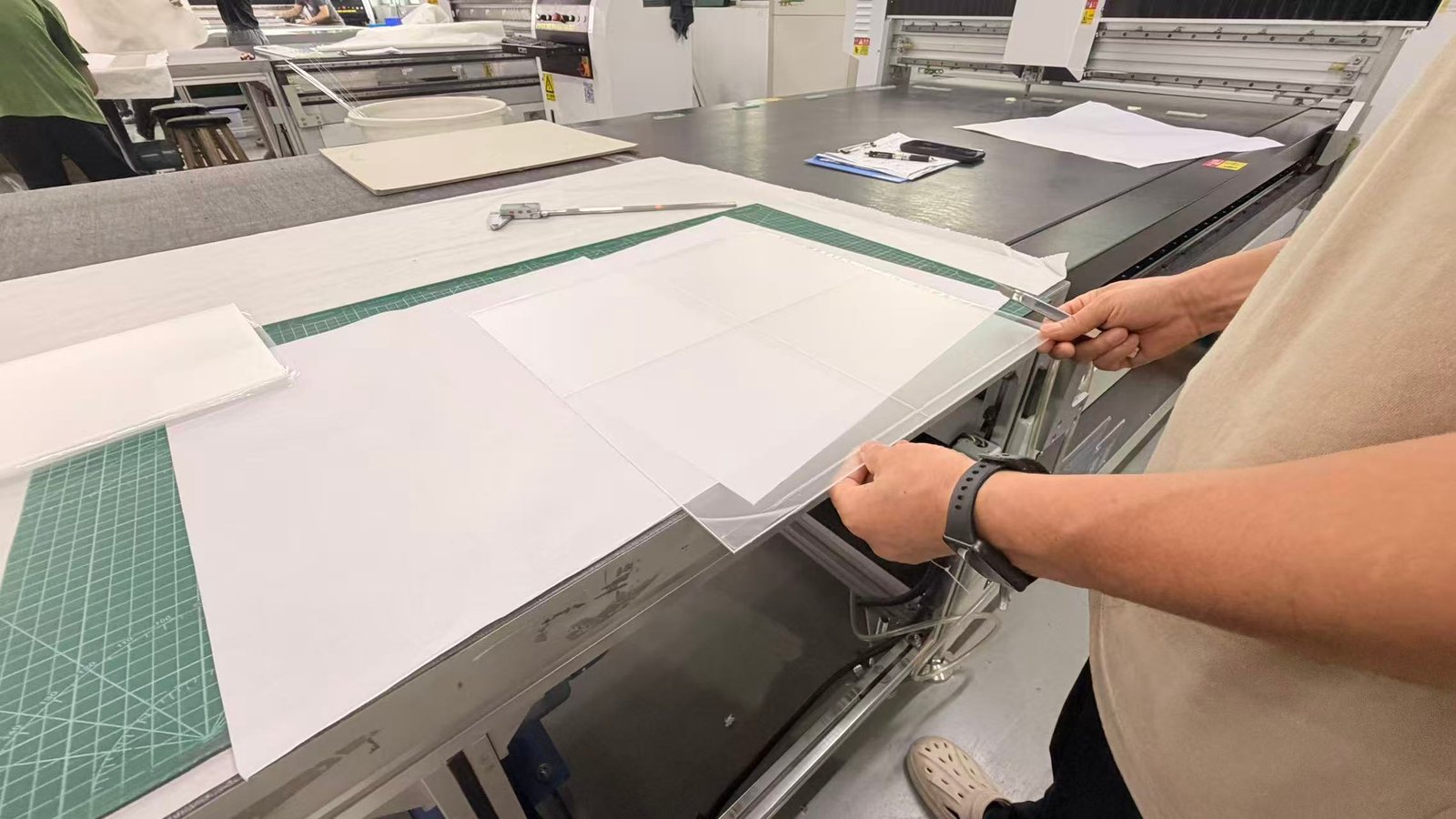
Glass sheets and substrates; confirm the actual grade and dimensions for each project.
Specification Review
Assess the Selected Grade Against the Drawing
This page describes a material family, not a specific manufacturer grade. It gives no universal property guarantee or stock specification. Dimensions, thickness, feasible processing, lead time and acceptance criteria must be confirmed for the selected material and project.
Material documentation
Provide the specified grade and manufacturer technical data so its thermal, optical and chemical properties can be reviewed.
Shape and thickness
Provide the starting-sheet or finished-part dimensions, thickness, quantity and tolerances.
Surface and inspection
State surface quality, edge form, clean packaging and inspection methods.
Processing
From Glass Sheet to Assembly-Ready Substrate
Assess cutting, edge treatment, cleaning, inspection and protective packaging against the material thickness, target shape and acceptance criteria. The actual process steps and achievable tolerances are confirmed after drawing review.
Cutting and shape fabricationSelect the cutting route and fixturing according to shape, thickness and permissible edge chipping.Surface and edge protectionControl handling contact, edge microchips, scratches and residual particles.Dimensional and visual inspectionAgree on how thickness, TTV, warp, surface condition and cleanliness will be inspected.
Application Areas
Common Substrate Applications
These are material-selection scenarios, not performance guarantees for a particular grade or finished part.
Displays and electronicsReview ionic contamination, thermal history, surface cleanliness and dimensional stability.Optical windows and coversCheck working wavelength, transmission, thickness, surface quality and mounting method.Sensor and packaging substratesConsider thermal-expansion match, flatness, edge condition and later bonding steps.Research and process validationEvaluate samples against the specified material and drawing, and agree on inspection criteria before production.
“Alkali-free” generally denotes tight control of alkali-metal oxides in this glass family. The actual content and test method must be checked in the selected grade’s manufacturer documentation.
Do all alkali-free aluminoborosilicate glasses have the same properties?
No. Composition, forming method and thickness influence thermal, optical, mechanical and surface properties. Data for one grade cannot be applied to the entire family.
Can it be fabricated as a wafer or rectangular substrate?
Wafers, rectangular sheets and other shapes can be assessed against the specified material’s starting-sheet conditions and drawing. Dimensions, tolerances and processes require separate confirmation.
What should I provide for a quotation?
Provide the material grade or manufacturer data, drawing, dimensions, thickness, quantity, surface and edge requirements, downstream process and required delivery date.
Submit an Alkali-Free Aluminoborosilicate Glass Enquiry
Send the specified material information and drawing. We will assess the processing route against the application, dimensions and acceptance criteria.