LIGHTINGOptical Glass · Precision Processing
Contact UsChinese / English⌕
Biomedical industry case study
CASE STUDY · Life Science Glass Applications

Biomedical Industry Processing Case Study

For life-science instruments, viewing windows, slides and microfluidic components, we coordinate material, surface, cleanliness and traceable delivery.
Project Overview

The complete route from material confirmation to finished-part delivery

Glass parts in biomedical and life science equipment may provide viewing, carrying, isolation, fluid contact or optical detection functions. Project discussions should specify material compatibility, functional faces, cleaning state, packaging and downstream assembly requirements together.

Typical components
Viewing windows, slides, cover plates, microfluidic and sensing glass
Main operations
Cutting, drilling, lapping and polishing, cleaning, inspection
Control focus
Material compatibility, surface, particles, cleanliness and packaging
Applications
Life science instruments, detection equipment, laboratory apparatus
Discuss a Similar Project
ENGINEERING GUIDE

Distinguish research components from regulated medical device requirements

Microscope slides, microfluidic lids and inspection windows may look similar but have different quality boundaries. Research instruments care about optics, dimensions, channels and cleaning; IVD or medical devices may also involve biocompatibility, sterilization, regulatory documentation and change control.

Applications

Where it can be used

  • Microscope slides, cover slips, counting chambers and viewing windows
  • Microfluidic chip substrates, lids, inlet/outlet ports and channel observation areas
  • Substrates for DNA/protein assays, fluorescence detection and spectral analysis
  • Windows for biosensors, photodetectors and laboratory instruments
  • Flow cells, reaction cells, sample cells and transparent isolation plates
Material Selection Logic

Why glass

Glass offers good optical transmission, resistance to many chemical media, low gas permeation, electrical insulation and dimensional stability, and its surface is easy to treat for hydrophilic, hydrophobic, silanized or bio-functionalized performance. Background fluorescence, UV transmission, ion release and thermal expansion differ markedly between materials.

Material Selection

Common materials and their applications

MaterialApplicationsSelection focus
BOROFLOAT® 33Microfluidics, viewing windows, laboratory equipment and general slidesHeat resistant, chemical resistant, low expansion
Fused quartz / JGS1UV spectroscopy, low background and high-purity detectionConfirm the specific grade, hydroxyl, fluorescence and spectrum
EAGLE XG® / alkali-free glassSubstrates for biosensing, thin-film electrodes and low-ion applicationsLow alkali and high-quality surface, suited to thin-film processes
PYREX® Micro-ElectroMicrofluidics, MEMS biosensing and glass-silicon structuresThermal matching, electrical insulation and wafer process compatibility
Typical Parameters

Common enquiry parameters

ItemCommon starting points or wordingEngineering notes
Cover slip thicknessMicroscopy systems commonly specify about 0.17 mmUse only when matched to the corresponding objective correction
Outline / hole positionsLength and width, thickness, hole diameter, pitch and position toleranceInlet/outlet ports must consider tubing, sealing and port defects together
TTV / flatnessDefined separately for lamination, imaging and microfluidic projectsAffects the focal plane, adhesive layer and channel height
Surface qualityGrade the observation area, detection area and non-functional area separatelyControl scratches, particles and residue on the fluorescence/imaging face
Optical propertiesTarget-wavelength transmission, haze and background fluorescence"High transmission" alone is not sufficient
CleanlinessParticles, organic residue, water marks and packaging contact surfacesIon/metal limits require both a method and a value
Sterilization / disinfectionTemperature, humid heat, irradiation, plasma or chemical mediaGlass, adhesive, coating and packaging are validated together
Structure and Function

What it usually needs to look like

Commonly rectangular slides, ultra-thin cover slips, round viewing windows, microfluidic lids with inlet/outlet ports, substrates with windows/slots, double-sided polished inspection plates and wafer-level biochip lids.

  • Provide a stable carrier surface for samples, cells, reagents or microstructures
  • Provide a transparent window for imaging, fluorescence, absorption or scatter detection
  • Isolate fluids, gases and external contamination, forming a sealing boundary
  • Support thin-film electrodes, surface functionalization and sensing structures
Performance Requirements

Performance items recommended for confirmation

  • Target-band transmission and low background fluorescence
  • Chemical compatibility, cleanability and low leaching
  • Dimensions, TTV, flatness and hole positions
  • Low scratches, low particles and low residue in the detection area
  • Face identification, lot, packaging and material traceability
Preparing Your Enquiry

Please provide in the drawing or enquiry

Application (research/IVD/medical device), detection wavelength, sample and medium, temperature, sterilization/disinfection method, size and thickness, holes and slots, surface and background fluorescence requirements, cleanliness, lot documents, quantity and packaging. Supplying glass parts is not equivalent to medical device certification; final regulatory, biocompatibility and sterilization validation is performed by the device manufacturer.

The parameters above are for preliminary material and process selection and do not constitute a uniform guarantee for all dimensions, thicknesses and materials. Final specifications, measurement methods and delivery standards are governed by the drawing, samples and order documents confirmed by both parties.

01

Service environment and material confirmation

Choose the appropriate glass material from contact media, temperature, light transmission and downstream treatment.

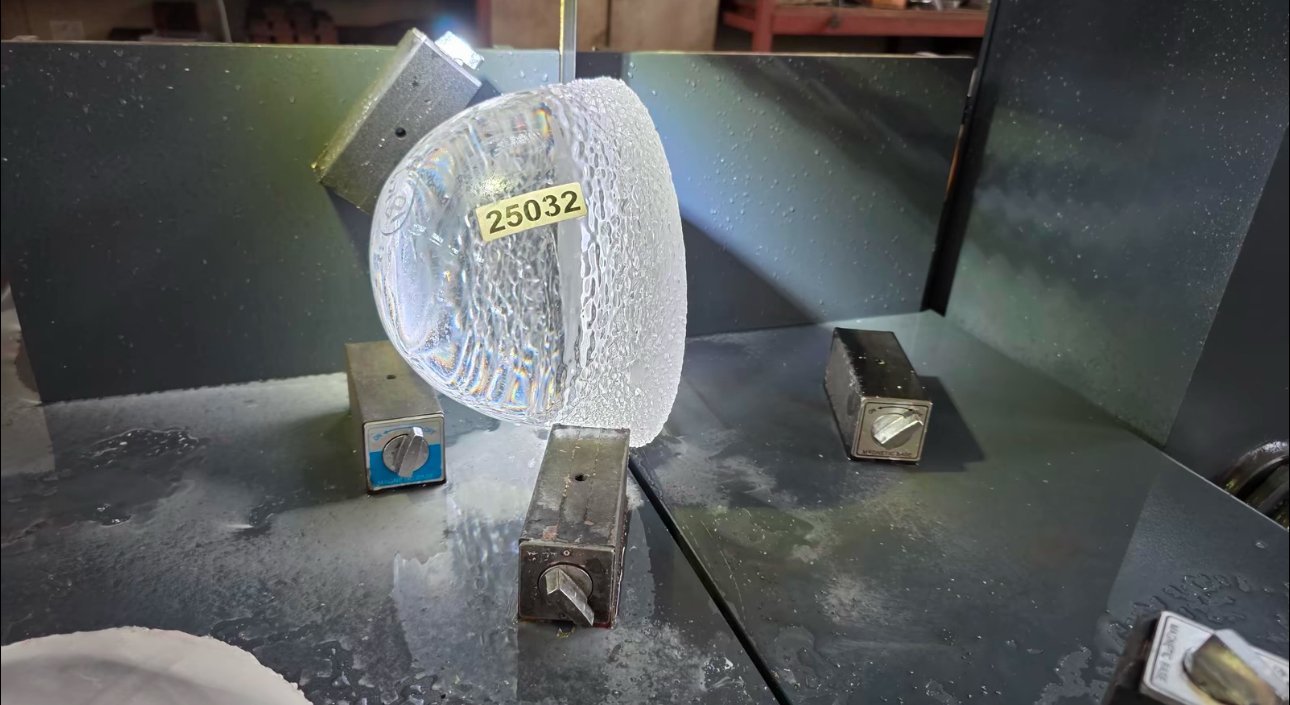
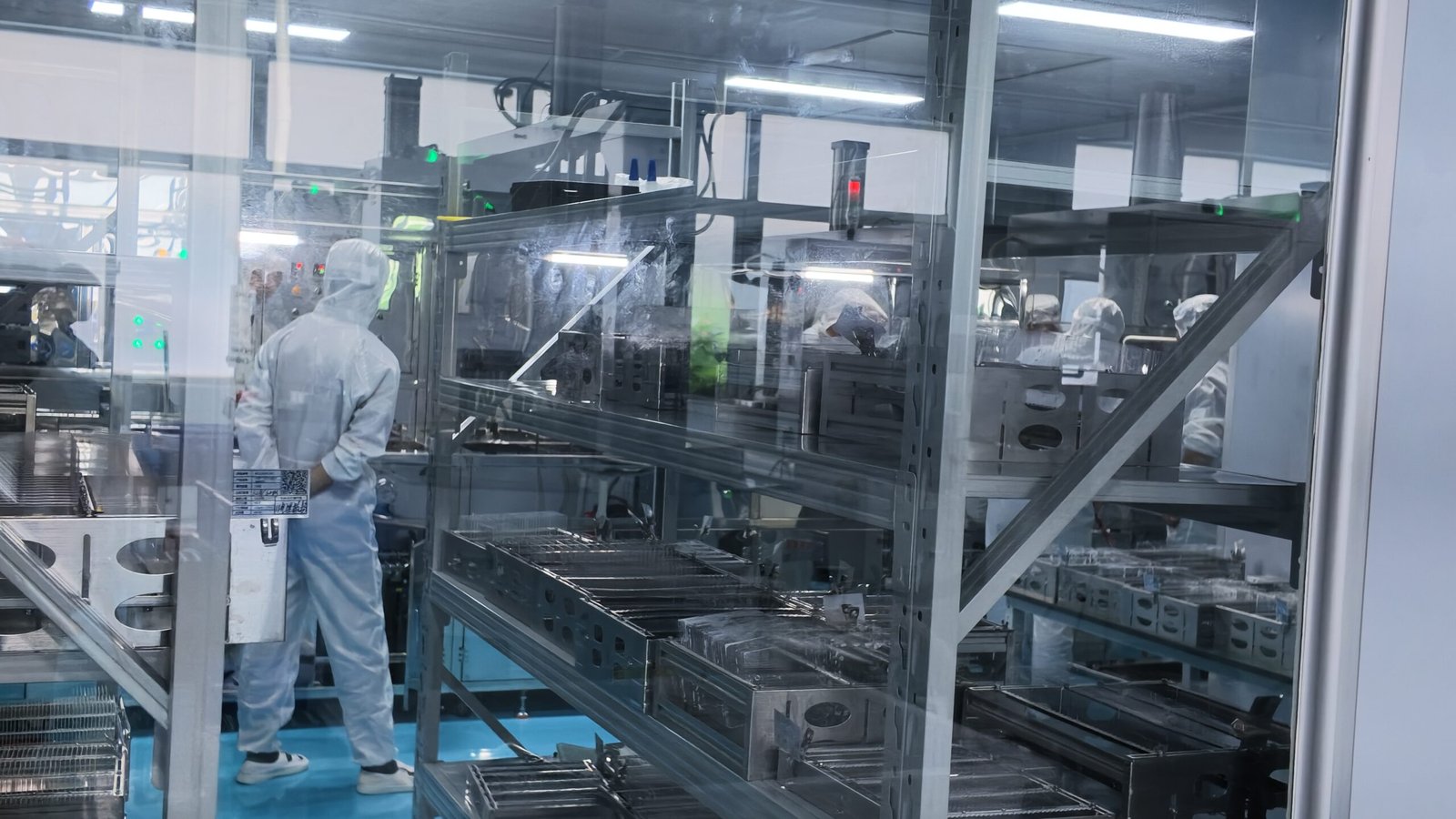
Biomedical industry processing and material preparationBiomedical industry processing inspection
02

Functional structure processing

Complete outline, holes and slots, edges and necessary surface processing to drawing, protecting the viewing or detection area.

03

Cleaning and contamination control

Arrange cleaning, drying, handling and environmental control around particle, residue and water mark requirements.

04

Inspection, packaging and documentation

Check critical dimensions, surface and cleanliness, and complete separated packaging and batch documentation as required by the project.

Start material selection and processing requirements from the same drawing

Send the drawing and key acceptance items and we will assess the project together with the material and process route.