MATERIAL SELECTION
BOROFLOAT® 33, EAGLE XG® or fused silica: how do you choose?
A reusable blog detail page framework: body copy, table of contents, parameter comparison, related reading and CTA.
A reusable blog detail page framework: body copy, table of contents, parameter comparison, related reading and CTA.
All three glasses can be processed into windows, substrates or precision parts, but they solve different problems. When selecting, look first at operating temperature, thermal expansion, spectral range, thickness and downstream processing, and only then at the material name.
If a part must endure significant temperature differences, thermal expansion is usually more important than "how transparent it is". If it is used in a UV or laser optical path, the operating band directly determines whether fused silica is needed. For thin display or electronic substrates, material thickness, alkali content and sheet surface quality may become the primary conditions.
| Material | Priorities | Typical Directions |
|---|---|---|
| BOROFLOAT® 33 | Low thermal expansion, thermal stability, conventional precision processing | Windows, substrates, laboratory and industrial parts |
| EAGLE XG® | Thin glass, low alkali, display/electronic substrate characteristics | Thin glass for displays, electronics and sensors |
| Fused Silica | Ultra-low thermal expansion, broad spectrum, high temperature and optical performance | Optical windows, lasers, semiconductors, high temperature |
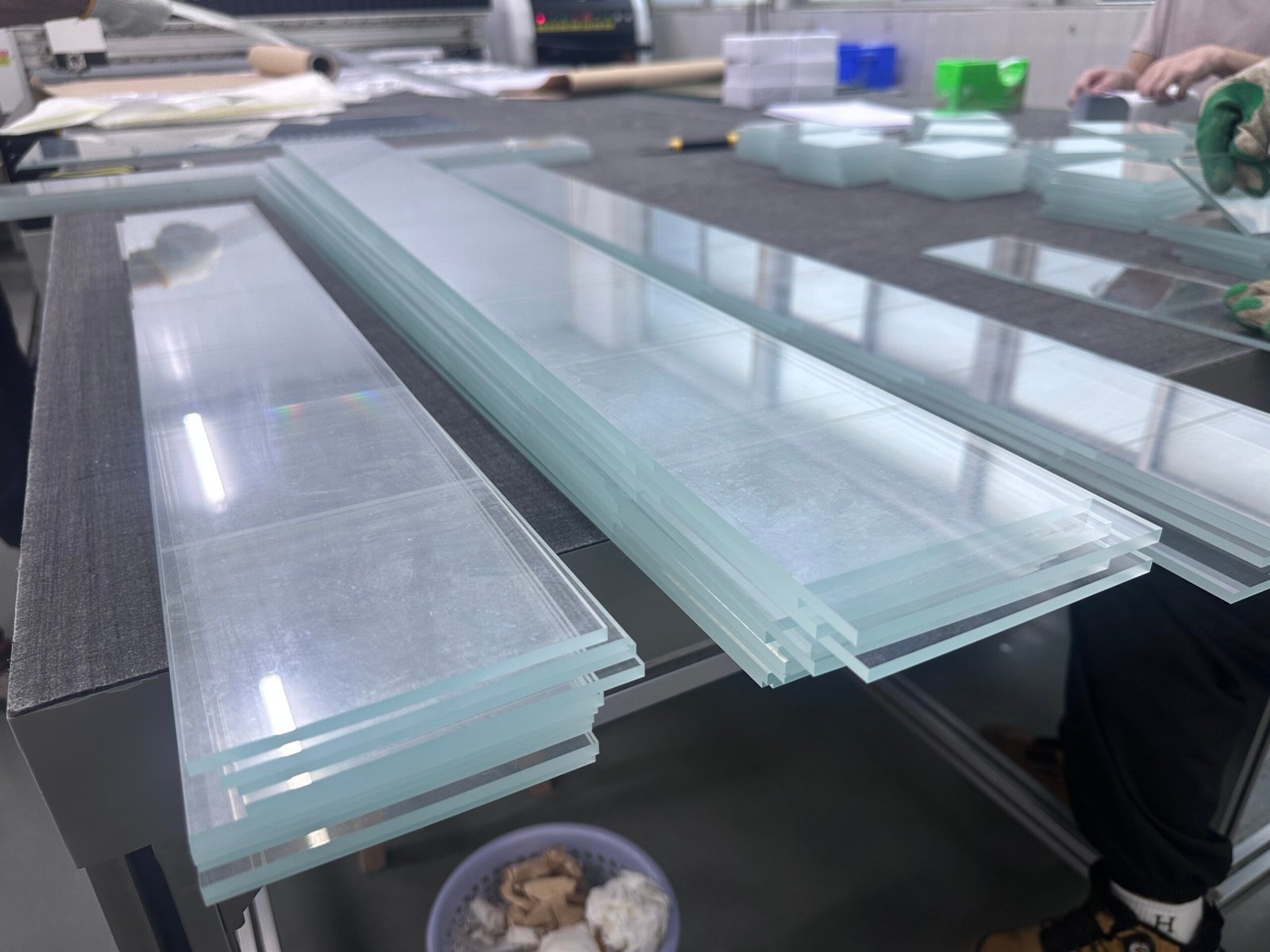
For the same 100 mm-class glass window, different materials can behave differently in brittleness, edge damage and surface response during cutting, edge grinding, polishing and drilling. Material pages and processing pages should link to each other rather than stand completely apart.
Give the application conditions and the part drawing to the engineering team together, and materials and processing can be reviewed in parallel.
Contact Us