PRECISION PROCESSING
Laser Glass Drilling
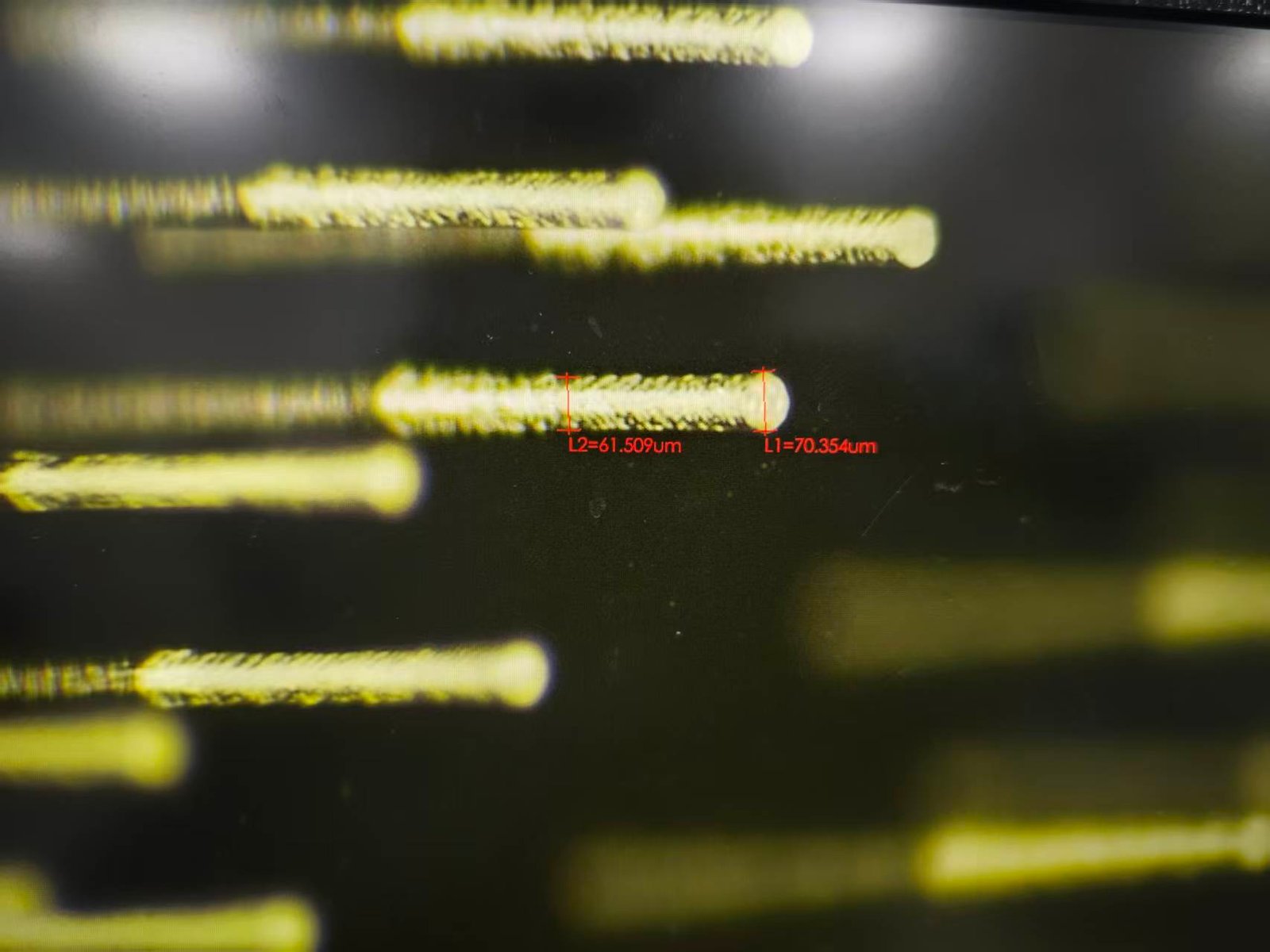
Micro-hole, hole-array and local opening processing for technical glass and fused quartz.
Micro-hole, hole-array and local opening processing for technical glass and fused quartz.
Laser drilling suits glass parts that need non-contact processing, smaller hole diameters, complex hole arrays or geometries unsuited to conventional mechanical drilling. Process selection must consider glass type, thickness, hole diameter, hole spacing, taper, edge heat effect and downstream cleaning requirements.
For brittle glass, drilling a hole is not just about punching through. The entry and exit edges, hole wall condition, taper, micro-cracks, heat-affected zone and debris all affect subsequent assembly, sealing, metallisation or cleaning.
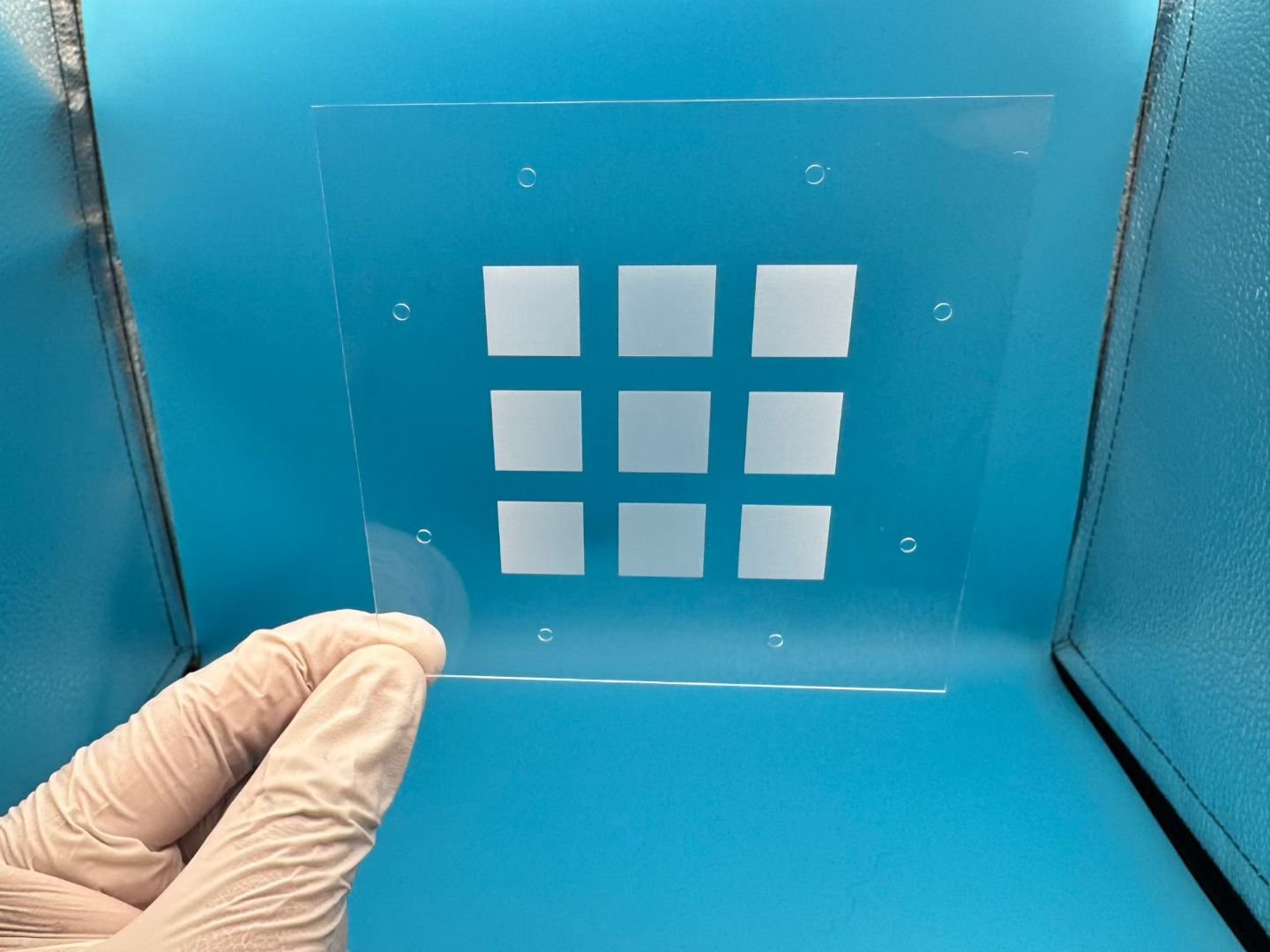
For hole arrays, hole diameter, pitch, position datum and overall warpage must be considered together. For fused quartz and thin glass, the laser mechanism must be matched to the material's absorption characteristics and thickness.
The preview version does not invent equipment limits
| Hole type | Single holes, hole arrays, through holes and project-defined local microstructures |
|---|---|
| Geometric items | Entry hole diameter, exit hole diameter, pitch, hole position, taper and edge distance |
| Surface items | Entry/exit chipping, hole wall residue, heat effect and micro-crack risk |
| Applicable materials | BOROFLOAT® 33, EAGLE XG®, fused quartz and other assessable technical glasses |
| Post-processing | Cleaning and inspection; linked to subsequent polishing or surface treatment where required |
Confirm material, thickness, hole diameter, pitch and datums.
Scanning and energy strategy are selected from material absorption and geometry.
Handle dust, molten residue or process by-products.
Check hole diameter, hole position, entry and exit and overall appearance.
Precision glass processing services. Precision glass grinding. For borosilicate glass, aluminosilicate glass, …
View Processing ↗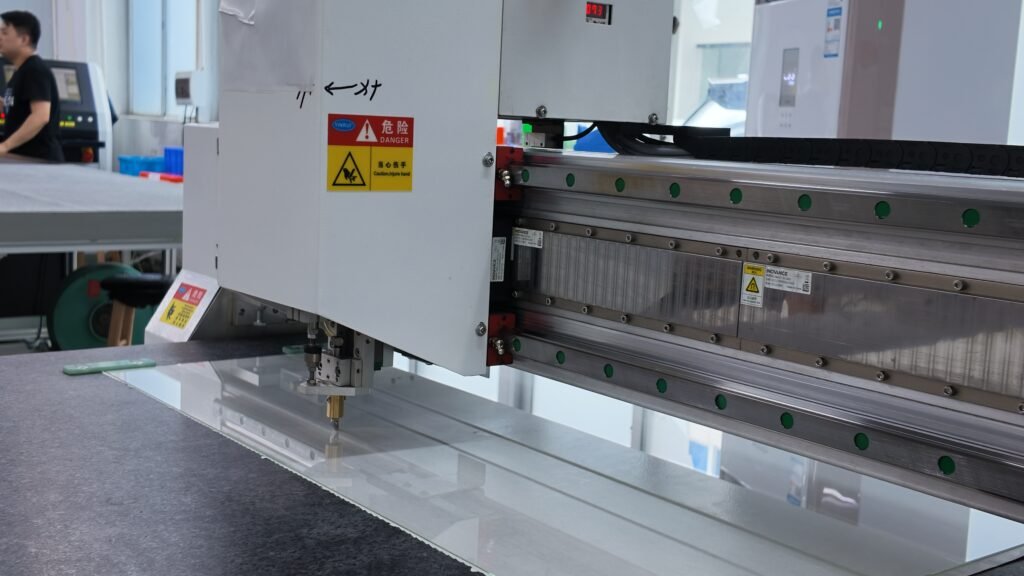
We plan the glass cutting route around dimensions, datums, edge condition and downstream operations, reviewing outline, cutting allowance and delivery requirements against the drawing.
View Processing ↗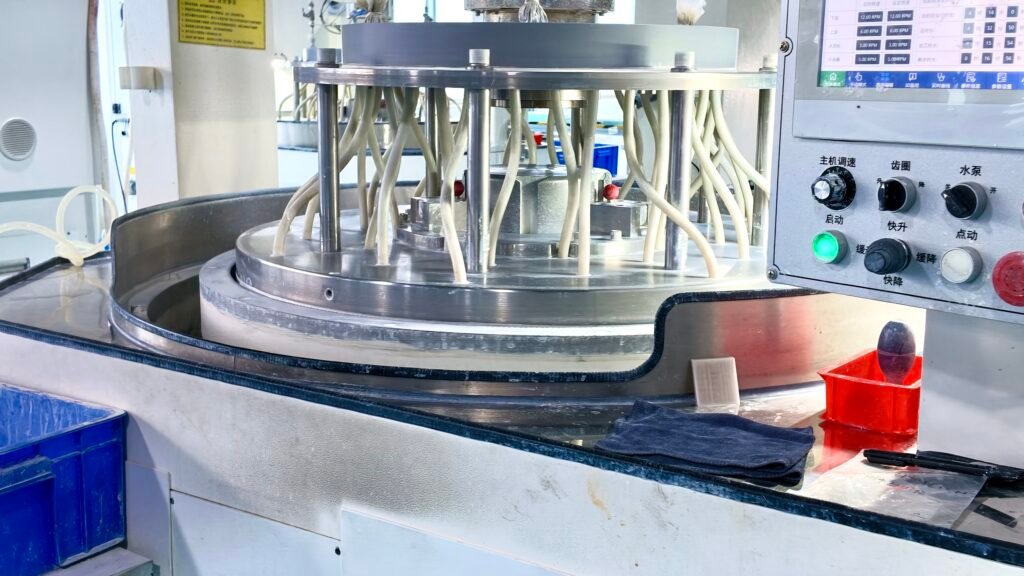
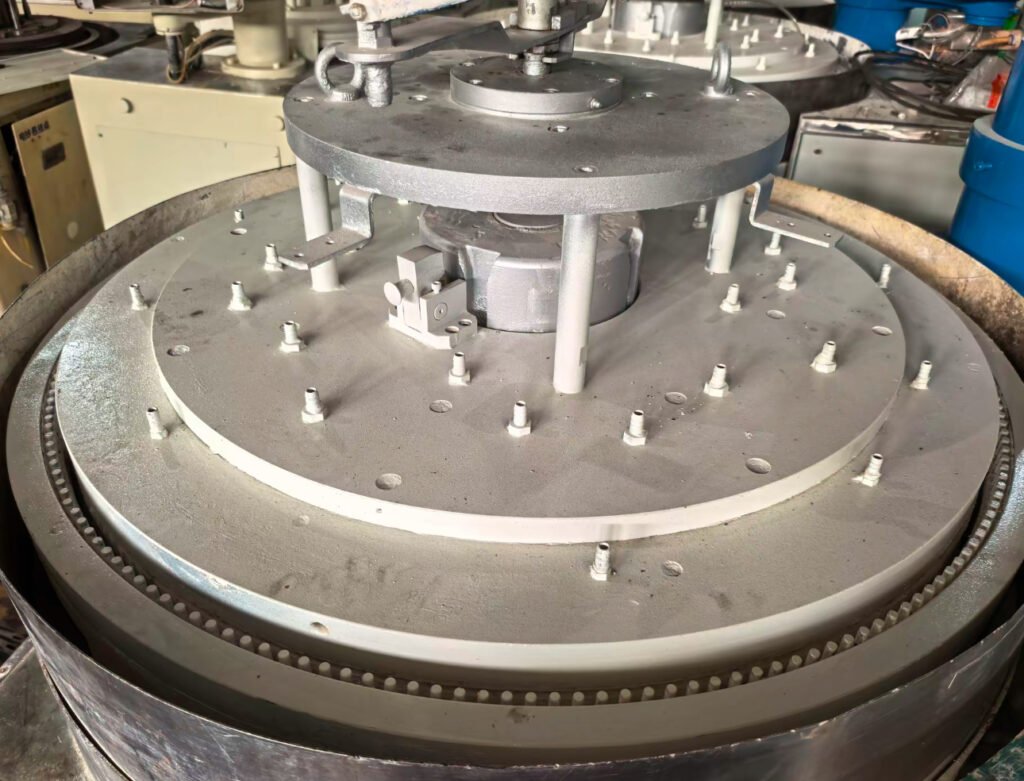
Grinding and polishing operations are arranged around thickness, parallelism, flatness and surface requirements, with the process route and inspection method confirmed per project.
View Processing ↗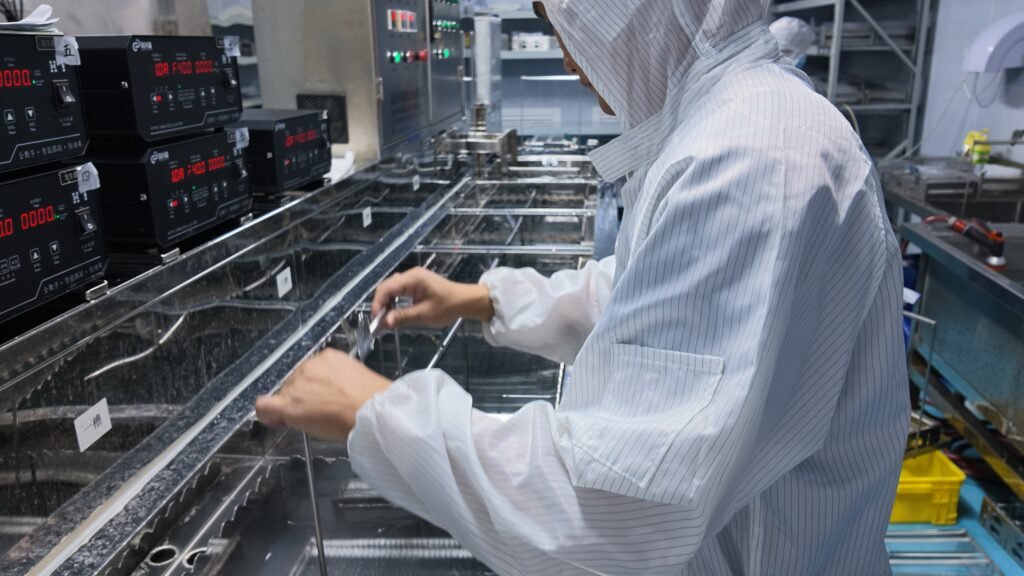
We control particles, residues and water marks after processing, and confirm cleaning, handling and packaging requirements against coating, bonding or assembly needs.
View Processing ↗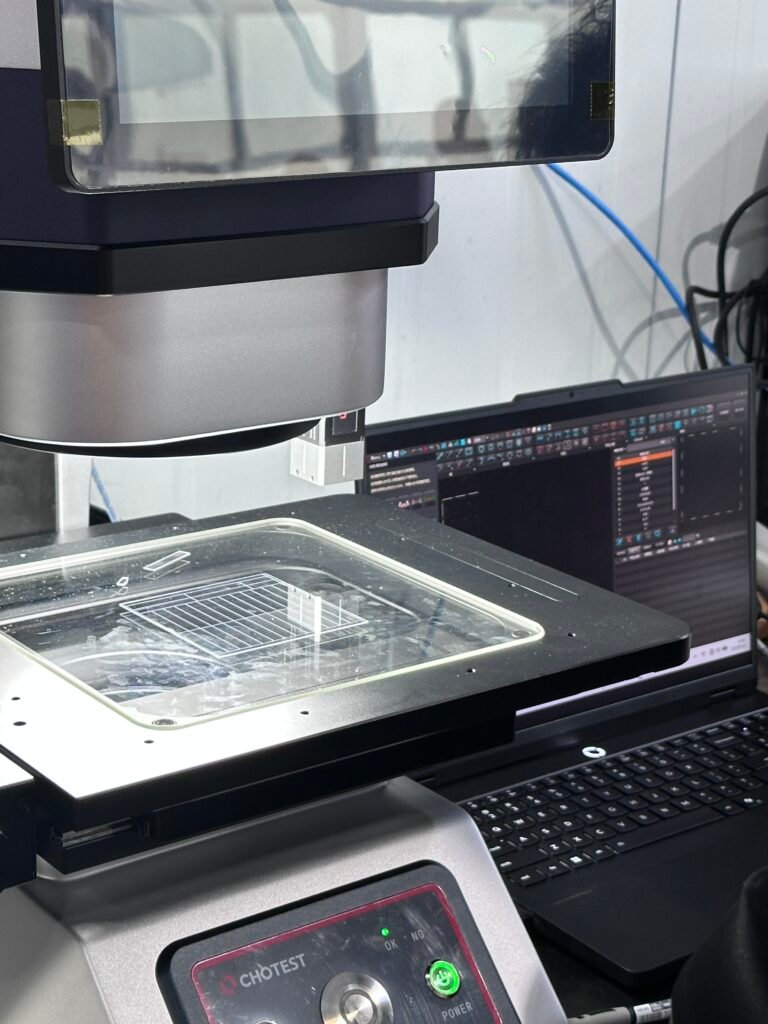
Glass dimensions, edges and surfaces are inspected against the drawing and the agreed acceptance items, with inspection methods, sampling scope and delivery records defined.
View Processing ↗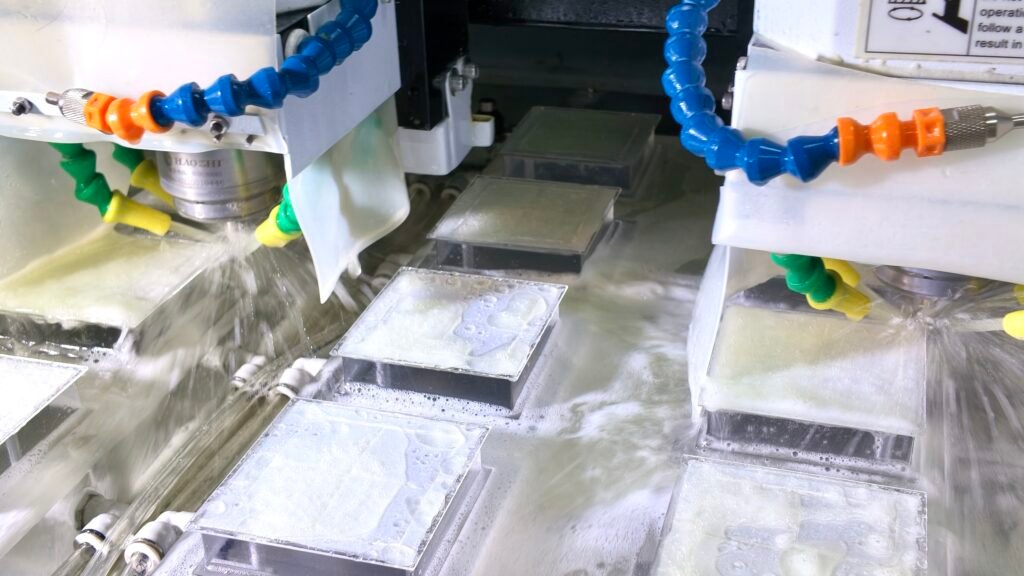
We address sharp edges and local edge defects after cutting, confirming edge grinding and chamfer styles and edge acceptance criteria against assembly requirements.
View Processing ↗