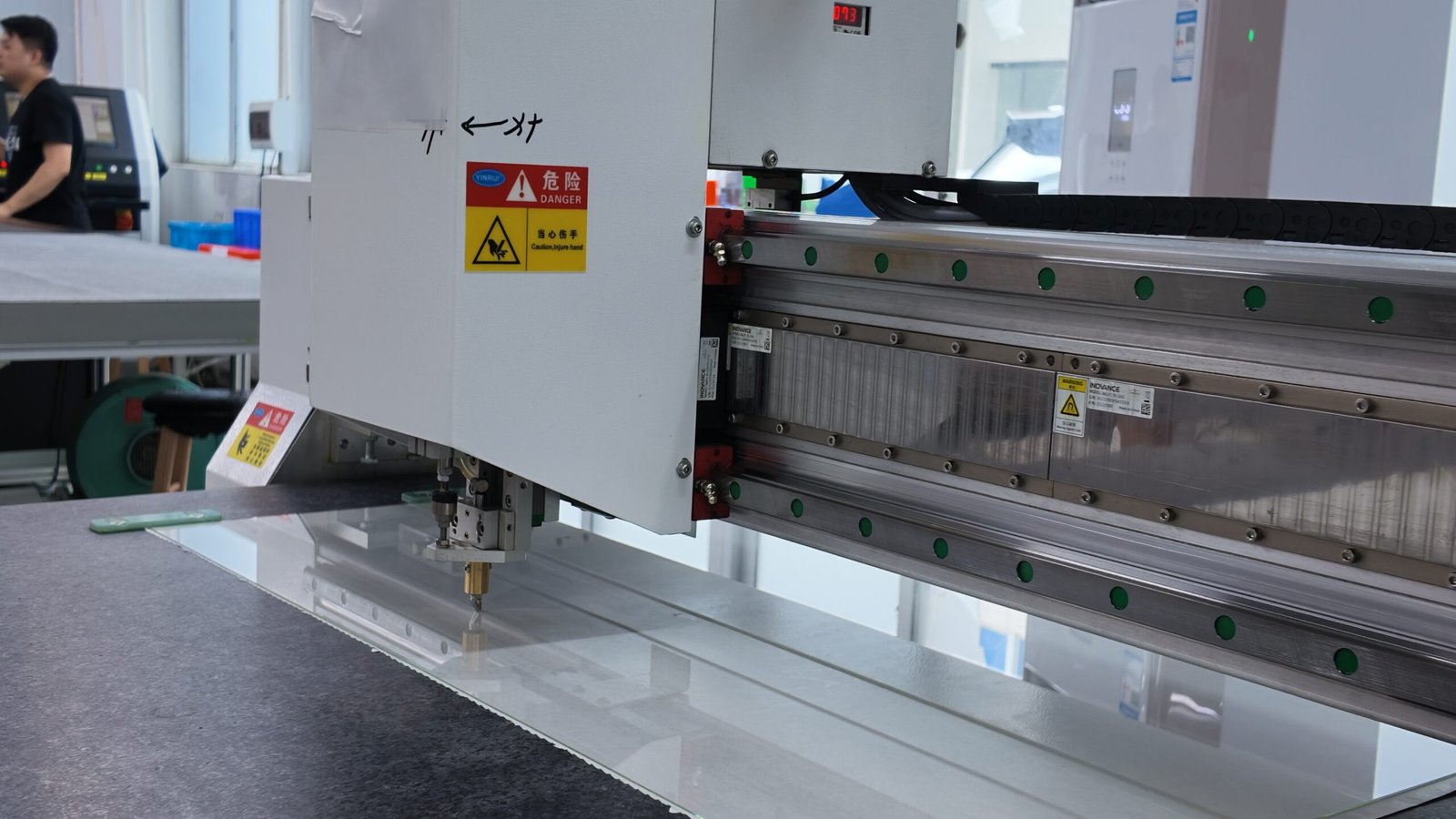
Precision glass processing services
Precision Glass Cutting
Sheet, strip and custom part processing for optical glass, borosilicate glass, display glass and fused quartz.
Request a Material and Processing QuoteSheet, strip and custom part processing for optical glass, borosilicate glass, display glass and fused quartz.
Request a Material and Processing QuoteControl the cutting datum and chipping first, then proceed to edge grinding, polishing and assembly.
Precision cutting is not simply making glass smaller. Material brittleness, thickness, outline, datums, downstream polishing allowance and permitted chipping all affect the cutting method. We establish the final finished-part requirements before the process starts, then plan the cutting datum and allowance.
For thin glass, fixturing and handling determine edge chipping and breakage risk; for thicker material, the cutting path and feed strategy affect the cut-face condition and how much subsequent grinding is needed.
Output can be rectangular sheets, strips, disc blanks or profiled blanks. After cutting, parts proceed to chamfering, edge grinding, polishing, cleaning or direct inspection according to the product requirements.
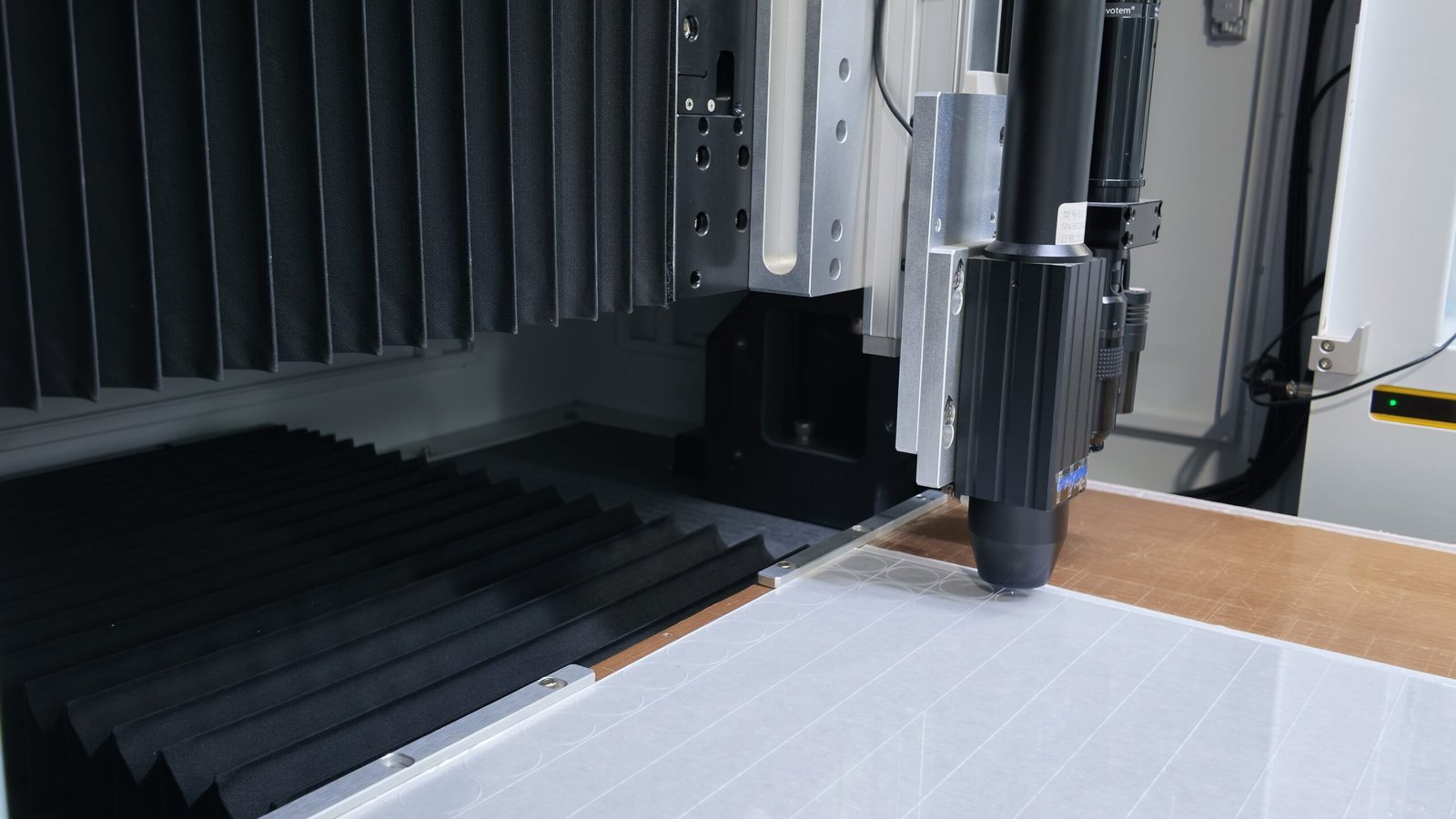
Typical Parameters for Selection
| Workpieces | Glass sheets, substrates, window blanks and custom glass parts |
|---|---|
| Cutting strategy | Precision sawing, scribing or other processes suited to the material and thickness |
| Dimensional control | Processing tolerances are set by part dimensions, thickness and downstream operations |
| Edge requirements | Maximum chipping, nicks, cracks and corner condition can be defined |
| Datum management | Datums for processing and inspection can be set from outline edges, hole positions or functional faces |
| Delivery state | Cut blanks, chamfered parts, pre-polishing parts or finished parts |
Every step establishes a verifiable input state for the next operation.
Confirm material, thickness, final dimensions, critical datums and downstream operations.
Support, fixturing and cutting sequence are selected according to brittleness and sheet thickness.
Control feed, cooling and exit position to reduce chipping and corner damage.
Check the outline, datum dimensions and edge condition before the next operation.
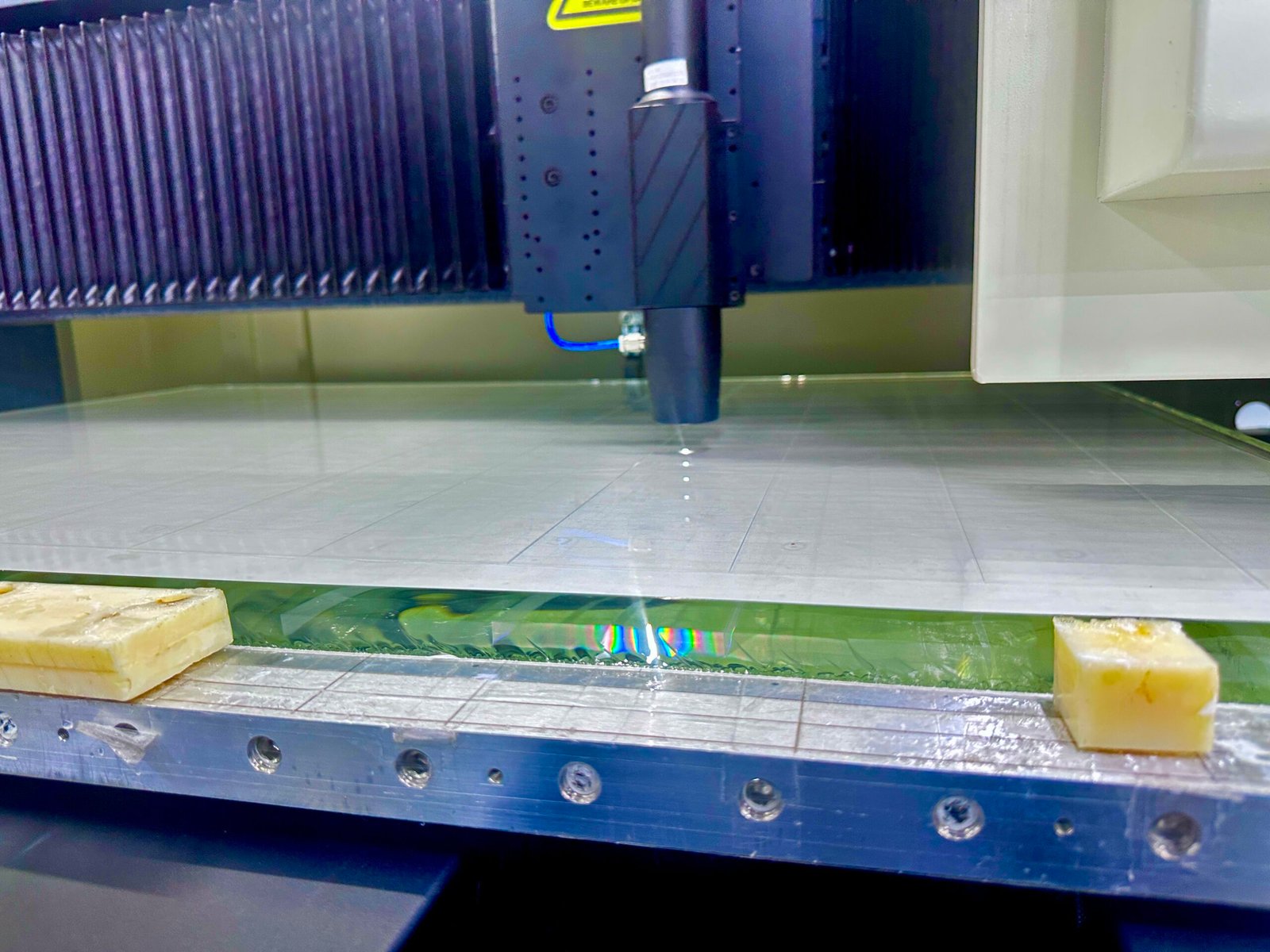
BOROFLOAT® 33 suits conventional precision sheet processing; EAGLE XG® requires more attention to thin-sheet support and edge chipping; fused quartz requires attention to brittleness and subsurface damage. The same outline cannot simply reuse the same set of process parameters.
Send Material and Drawing Requirements →Turning a service page from an equipment list into the quality control logic engineers actually ask about.
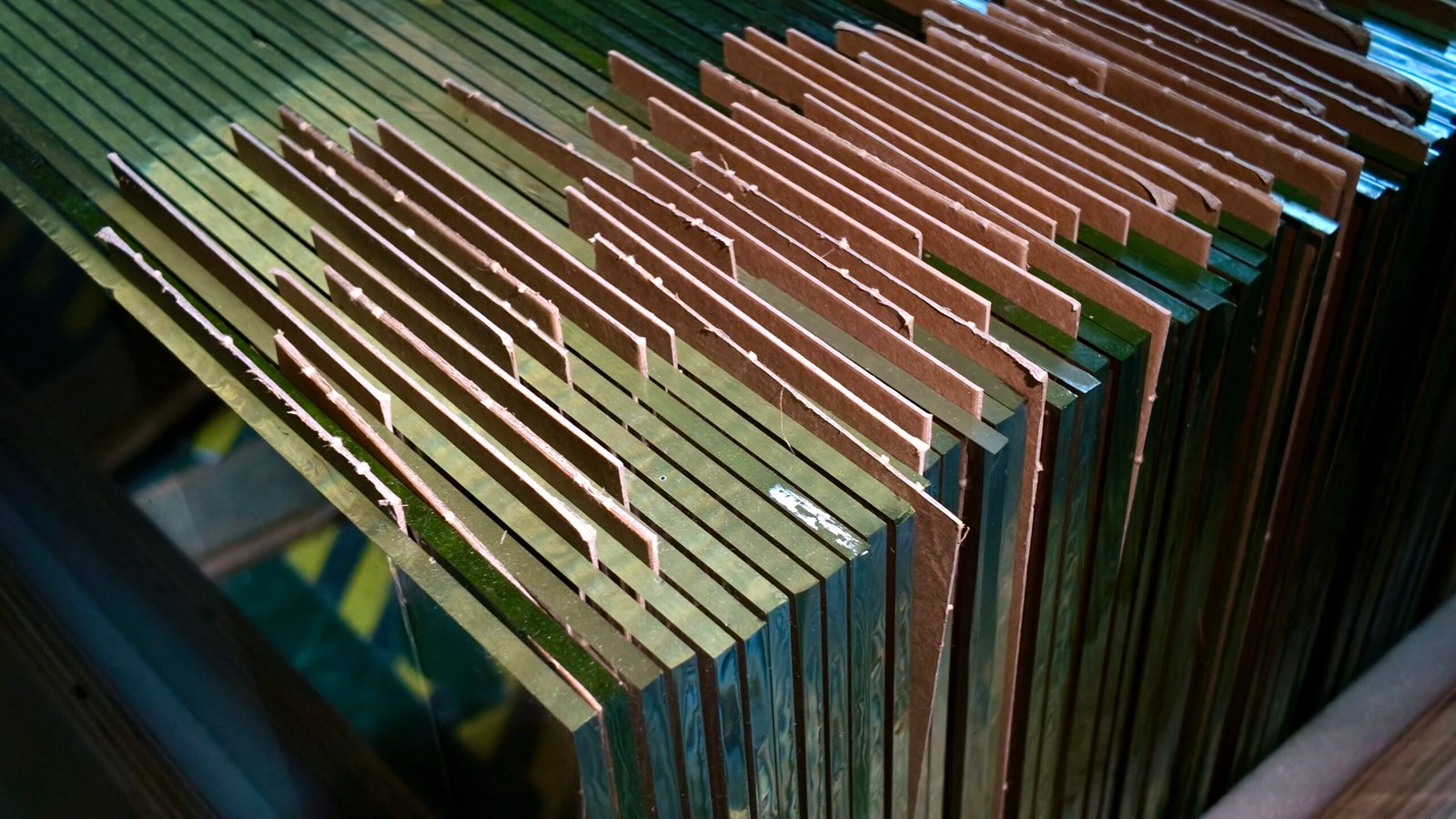
Cutting allowance and measurement datums are arranged around the final functional dimensions.
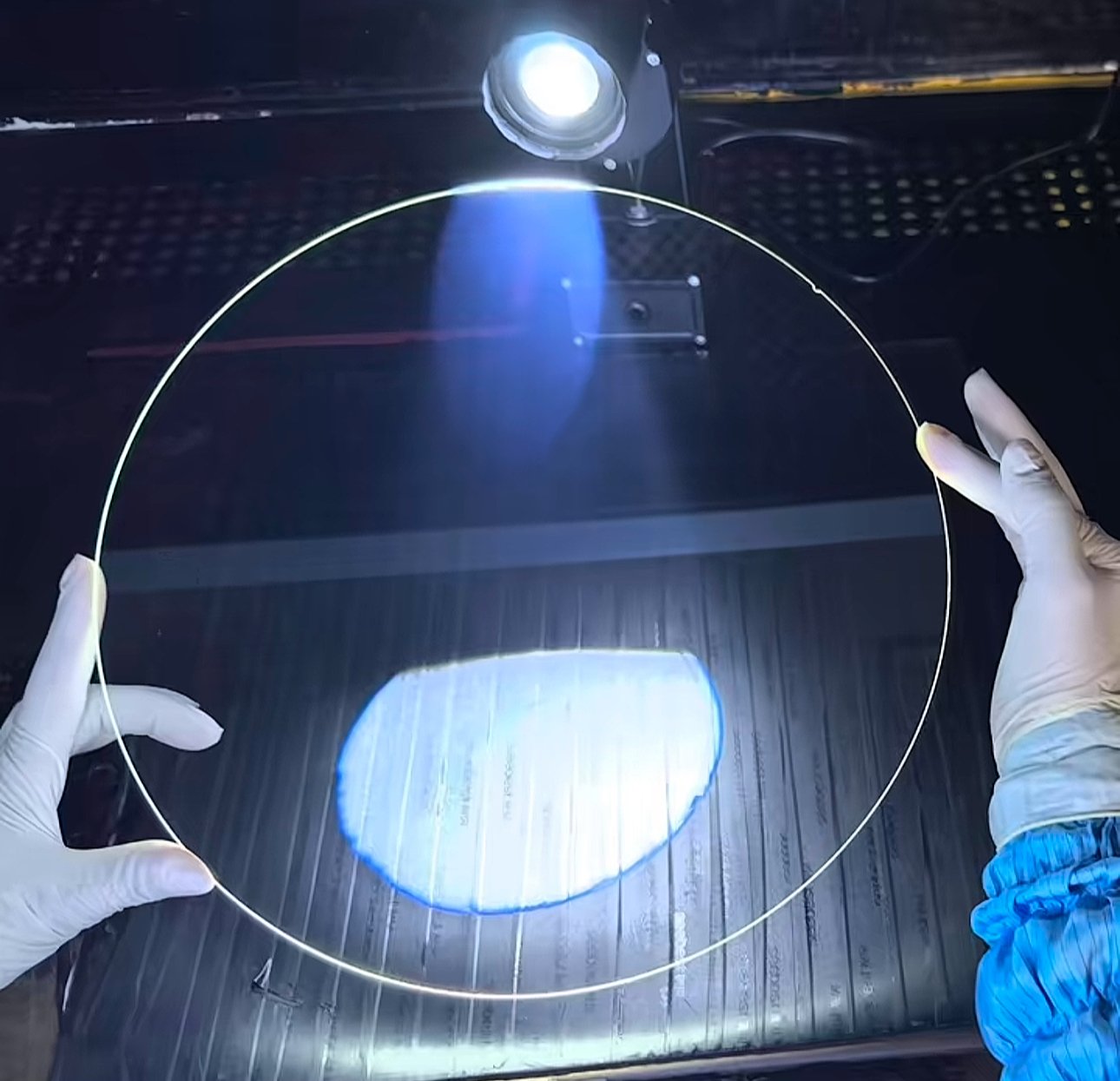
Treat chipping, micro-cracks and corner damage as separate acceptance items.
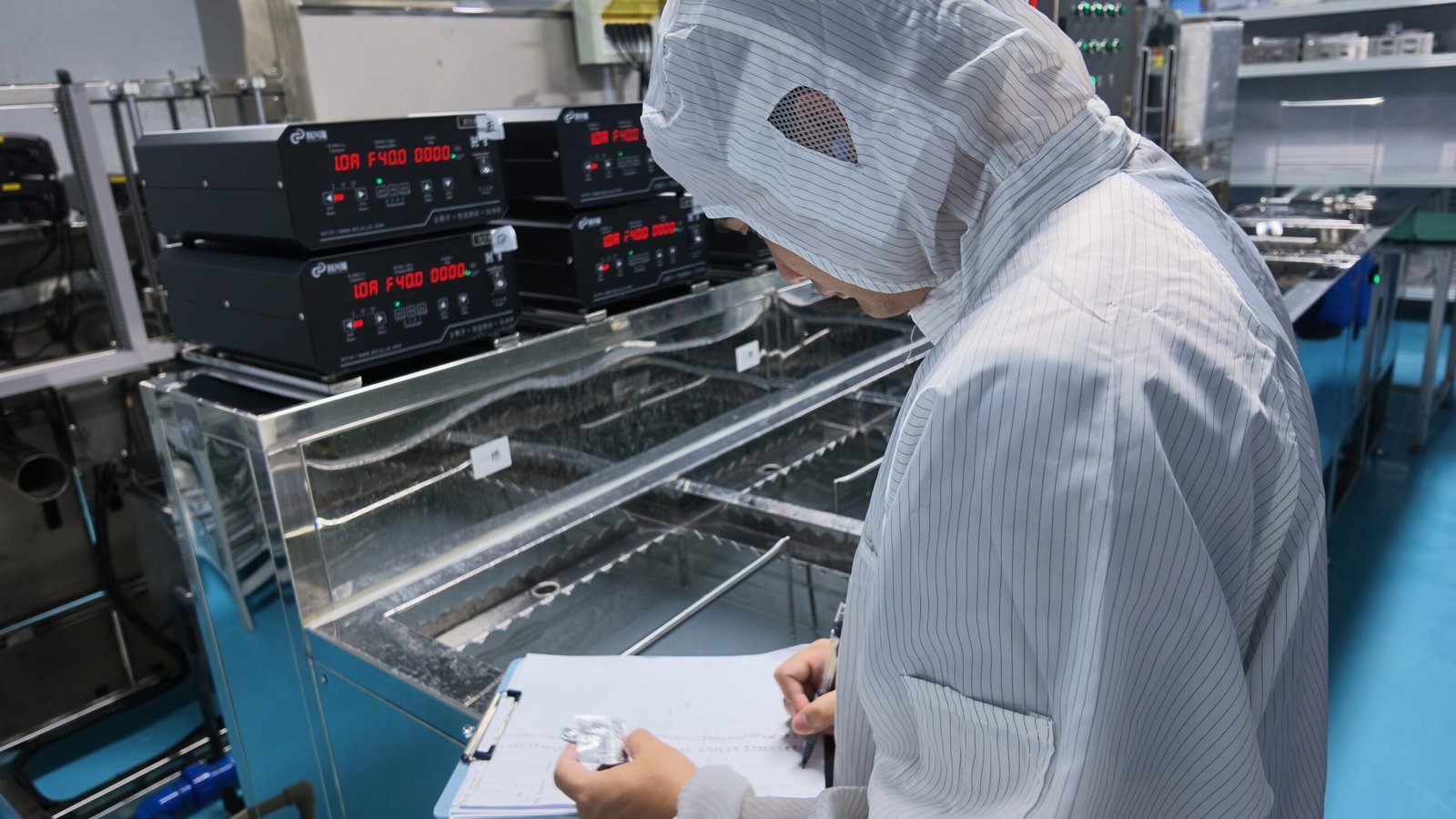
The cut condition feeds directly into chamfering, edge grinding, polishing and cleaning.
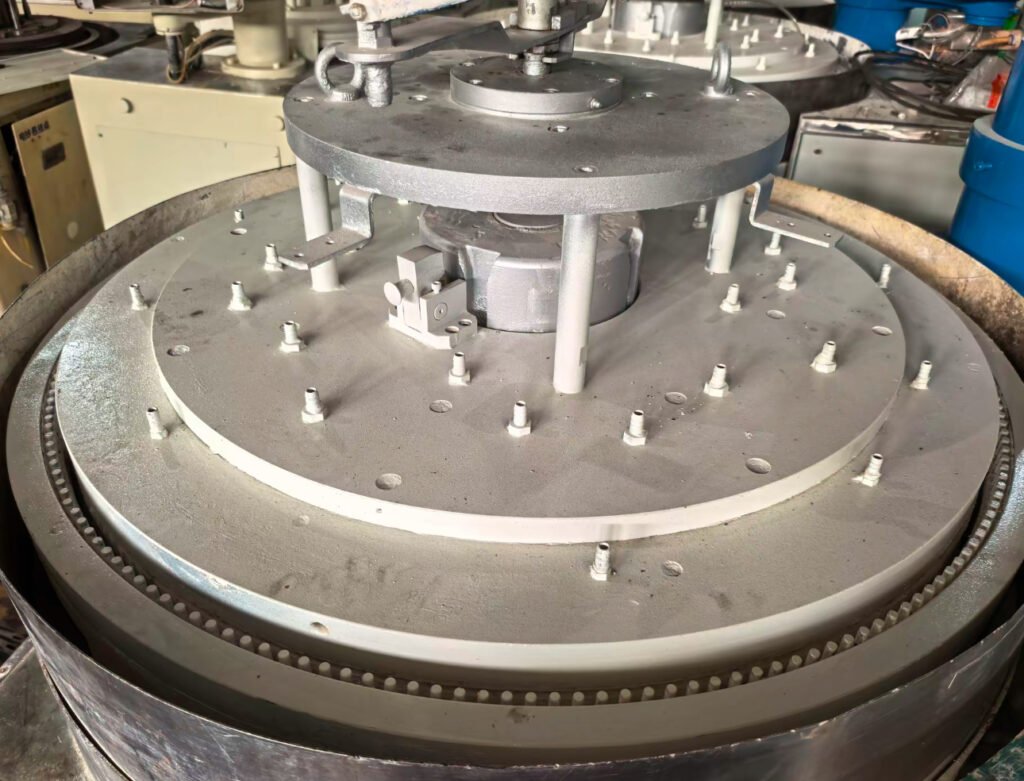
Precision glass processing services. Precision glass grinding. For borosilicate glass, aluminosilicate glass, …
View Processing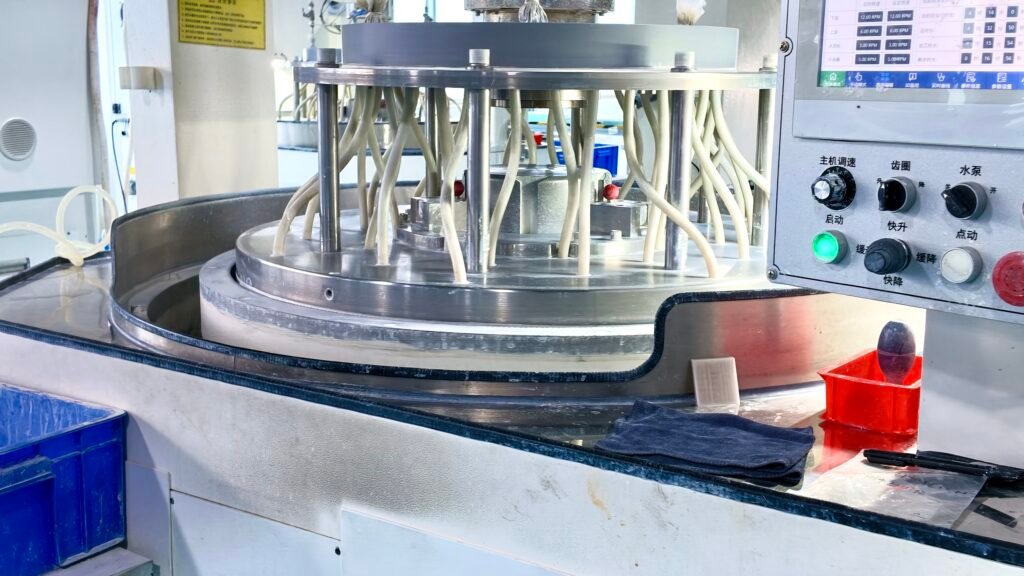
Grinding and polishing operations are arranged around thickness, parallelism, flatness and surface requirements, with the process route and inspection method confirmed per project.
View Processing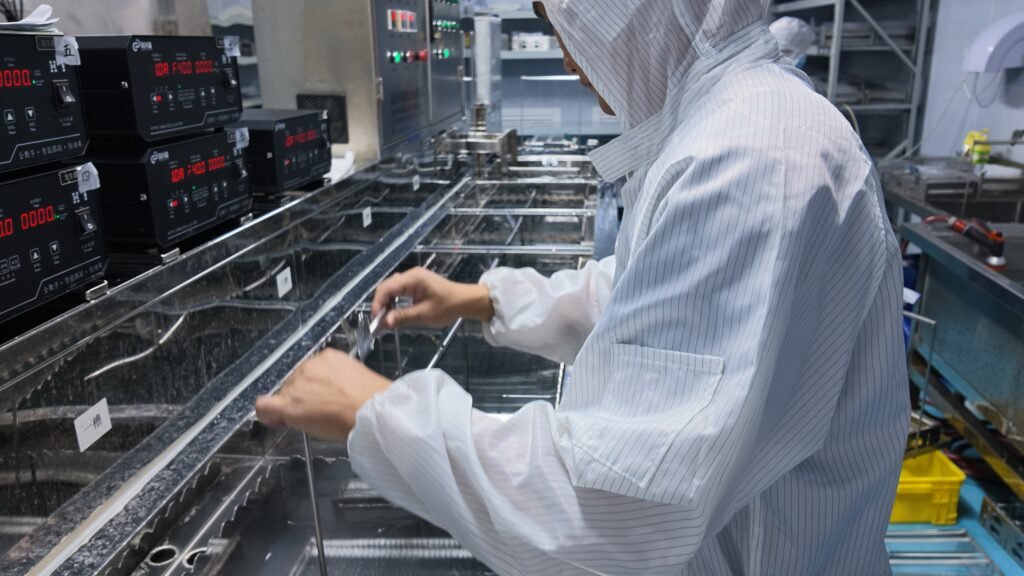
We control particles, residues and water marks after processing, and confirm cleaning, handling and packaging requirements against coating, bonding or assembly needs.
View Processing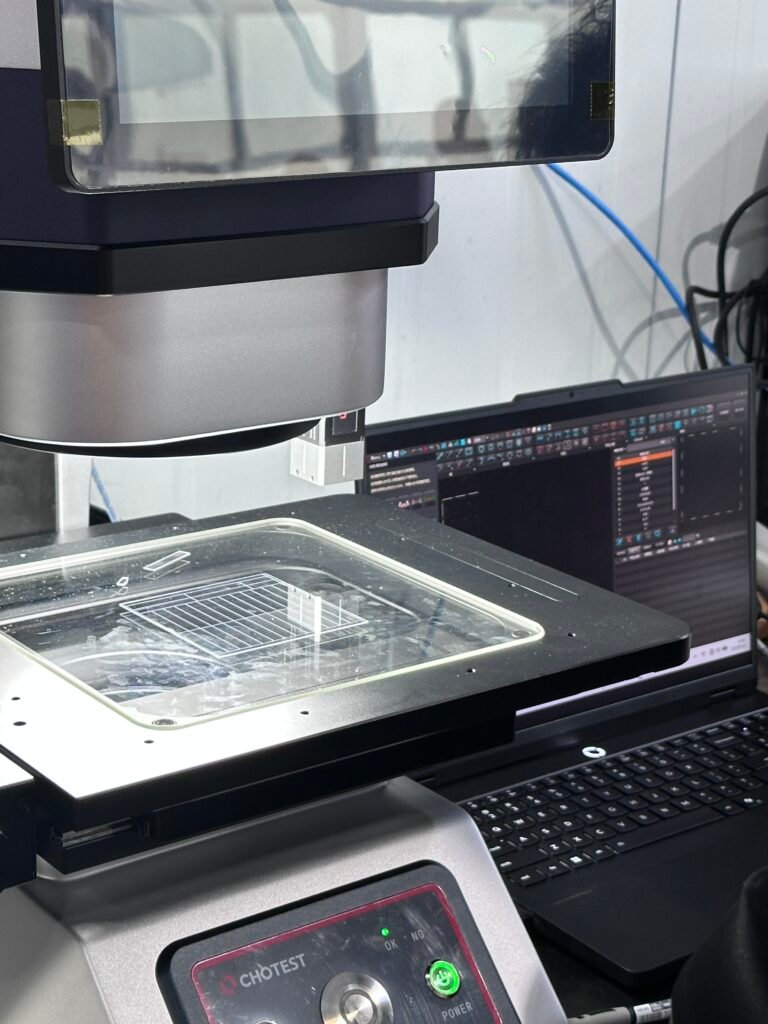
Glass dimensions, edges and surfaces are inspected against the drawing and the agreed acceptance items, with inspection methods, sampling scope and delivery records defined.
View Processing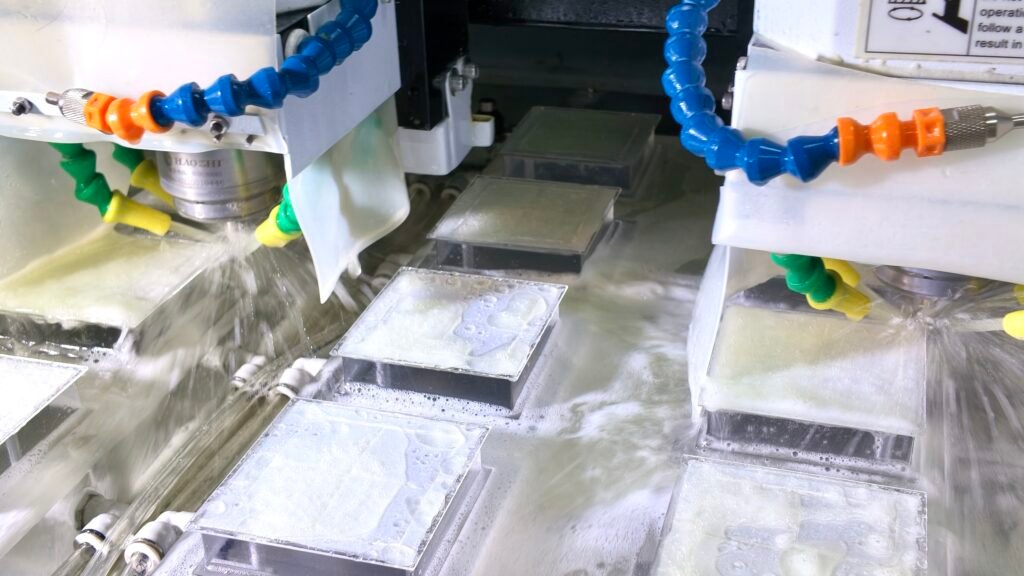
We address sharp edges and local edge defects after cutting, confirming edge grinding and chamfer styles and edge acceptance criteria against assembly requirements.
View Processing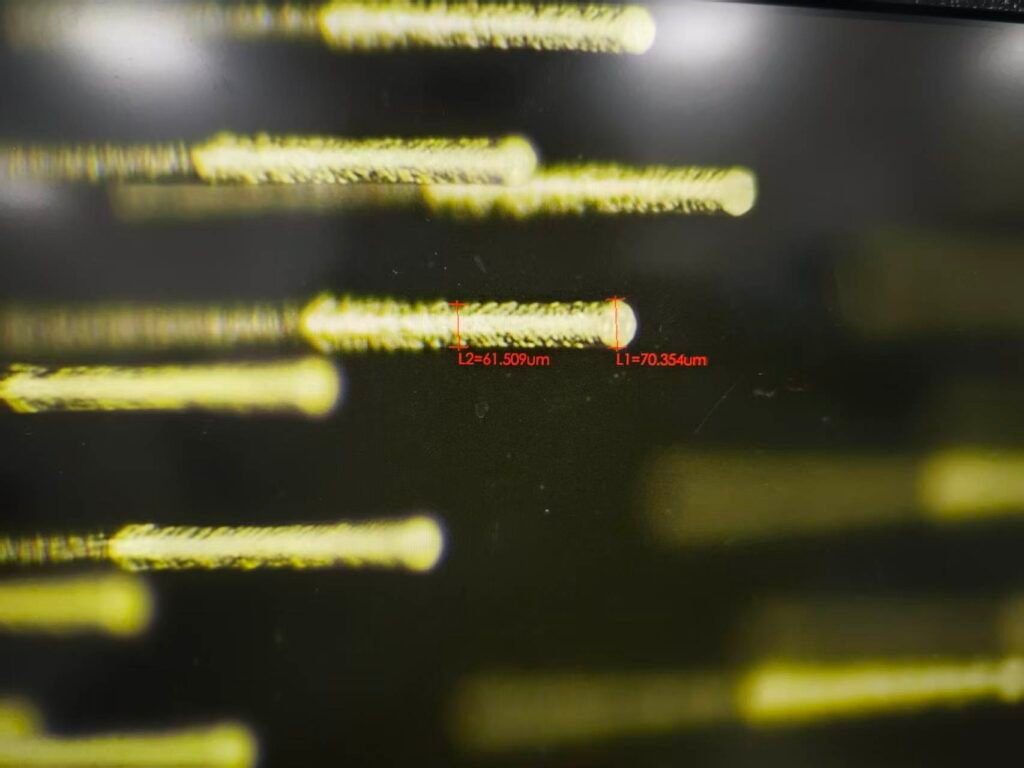
For micro-holes, hole arrays and local openings in glass, we evaluate laser drilling options based on material, thickness and hole geometry.
View ProcessingProvide the glass material, dimensions, quantity, critical surfaces and acceptance items, and we will organise the cutting, edge grinding, polishing, cleaning and inspection sequence accordingly.