LIGHTINGOptical Glass · Precision Processing
Contact Us中文 / English⌕
Alkali-free glass thin sheets and electronic substrates
ALKALI-FREE GLASS

Alkali-Free Glass

A low-alkali glass substrate for displays, thin-film devices and electronic processes

By controlling alkali metal content it lowers the risk of ion migration, making it suitable for display backplanes, sensors, thin-film electronics and cleanliness-sensitive precision substrates.

Material Positioning

Low-alkali composition, dimensional stability and clean surfaces all serve electronic processes

Alkali-free glass is a material category rather than a single grade; alkali content, strain point, dielectric, optical and supply specifications must be confirmed against the actual material data sheet.

01Lower Ion Migration Risk

Suited to electronic processes that are sensitive to alkali metal contamination, thin-film stability and electrical performance.

02Higher Thermal Stability

Some alkali-free systems have a higher strain point, making them suitable for thin-film deposition and thermal process evaluation.

03Thin-Sheet and Substrate Processing

We can evaluate cutting, dicing, lapping and polishing, cleaning, inspection and clean packaging.

Material Introduction

From alkali-free glass sheet to electronic-grade precision substrates

Alkali-free glass is typically used for displays, sensing, thin-film devices and microelectronic substrates. Its value lies in controlled alkali metal composition, thermal stability, surface quality and dimensional consistency. Different alkali-free systems do not share the same composition or performance.

Projects should specify process temperature, thin-film or electrode material, dimensions and thickness, TTV, warpage, roughness, particles and ionic contamination requirements. We assess processing and clean delivery against the actual supplied material and the drawing.
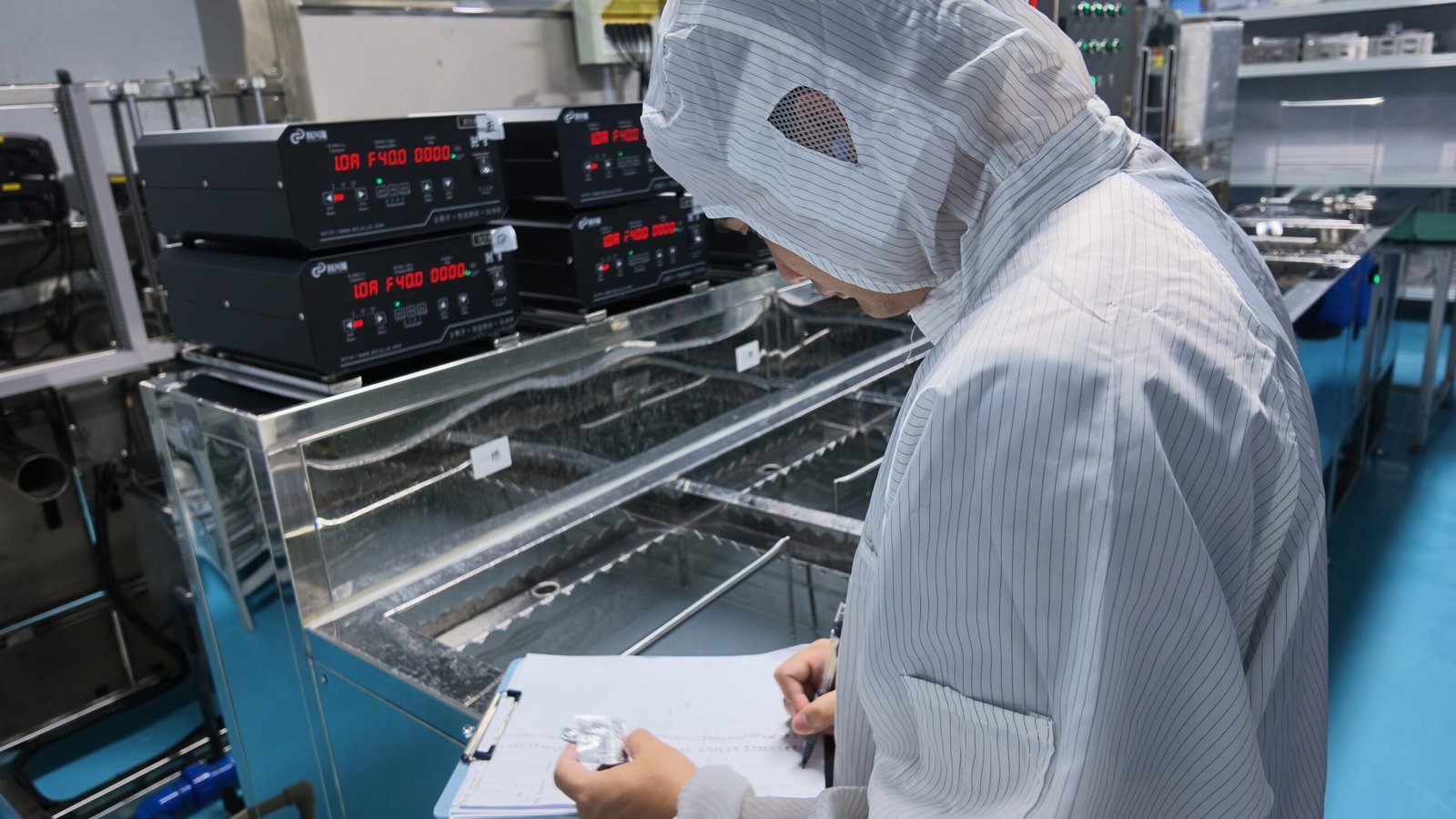
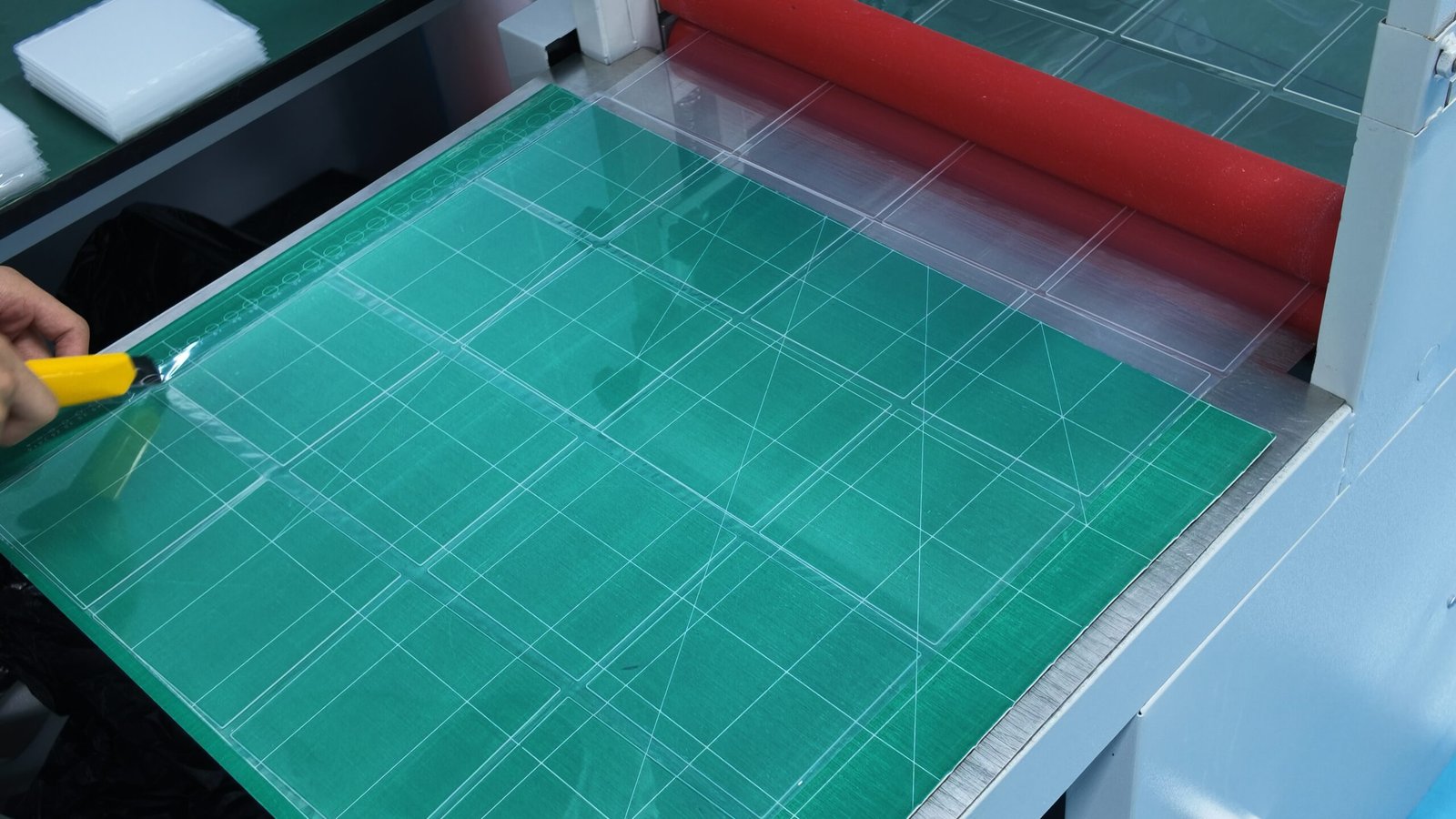
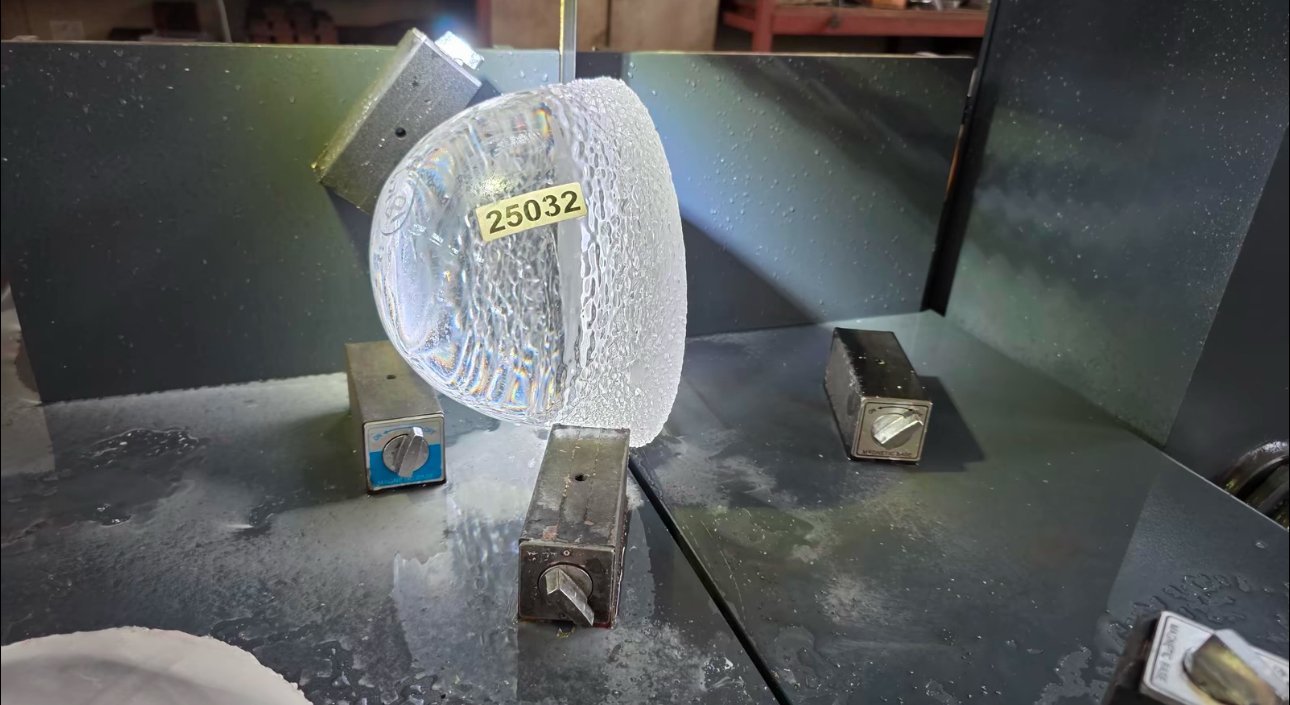
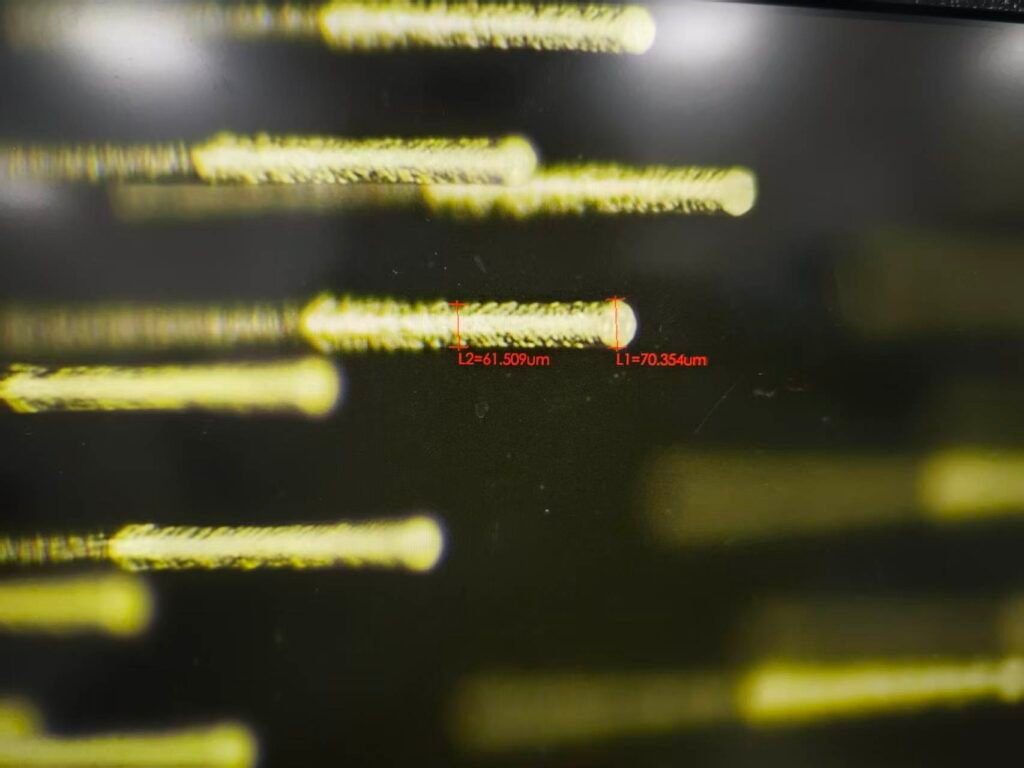
Alkali-free glass surfaces and precision edges
Material Data Sheet

Alkali-Free Glass Selection Parameters

Material typeLow-alkali or alkali-free electronic-grade glass; exact composition and supplied grade to be confirmed
Total alkali contentConfirmed against the actual material data sheet and project limits
Density / elastic modulusVaries with the material system; to be confirmed once the supplied grade is fixed
Coefficient of thermal expansion (CTE)Confirmed against the actual material and the specified temperature range
Strain point / annealing point / softening pointVaries with the material system; to be confirmed
Dielectric constant / lossConfirmed against frequency, temperature and the supplied material data sheet
Refractive index / optical transmissionConfirmed against the target wavelength, thickness and surface state
Thickness variation / TTV / warpageConfirmed against dimensions, thickness, processing state and measurement method
This page does not use any brand's proprietary data as general parameters. Once the specific supplied material is fixed, all performance and geometric metrics are governed by the corresponding data sheet, batch documents, drawing and inspection method.
Supply Specifications

Alkali-free glass thin sheets, wafers and custom substrates

Supply form, dimensions, thickness and surface state are confirmed according to material source, stock and process requirements.

Typical formsThin sheet / wafer / rectangular substrate / custom outline
Dimensions and thicknessConfirmed against material source, stock and drawing
Material and documentation

Specific grade, batch, alkali content and material certification confirmed per project

Geometric specifications

Outline, thickness, TTV, warpage, hole positions and edges confirmed against the drawing

Clean delivery

Surface roughness, appearance, particles, ions, cleaning and packaging confirmed against the process

Formal supply is governed by material documents, drawings, sample validation and specifications confirmed by both parties.

Material + Processing

From alkali-free glass sheet to substrates ready for thin-film and packaging processes

The process route focuses on thin-sheet breakage, edge micro-chipping, TTV, warpage, surface contact and clean packaging.

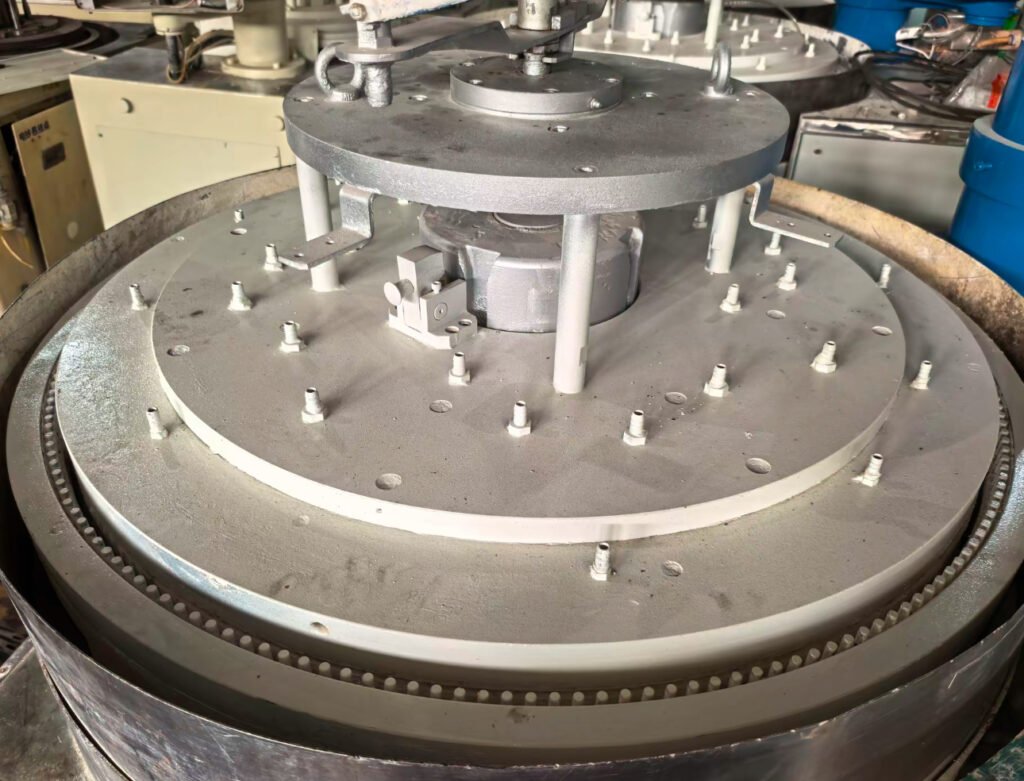
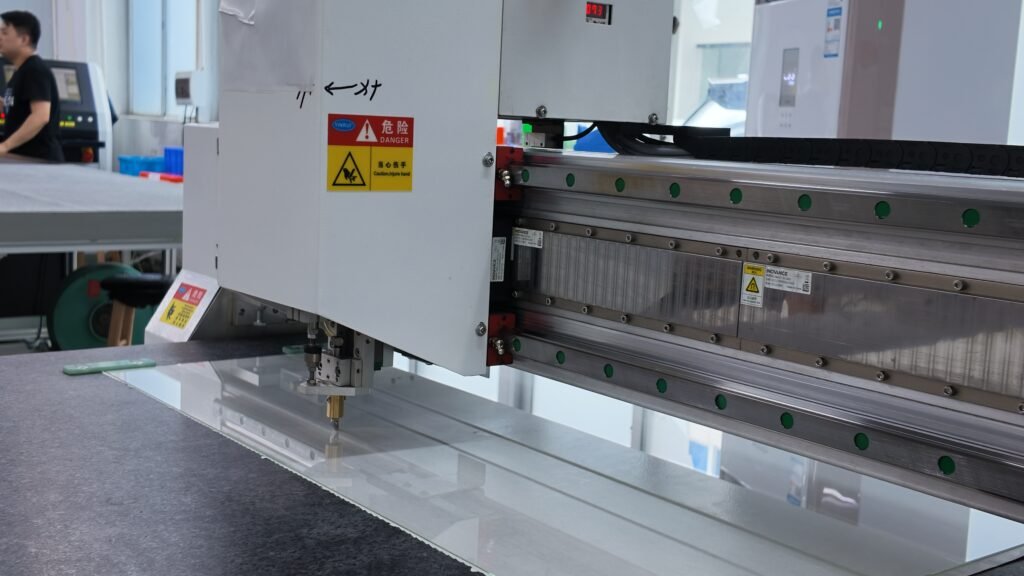
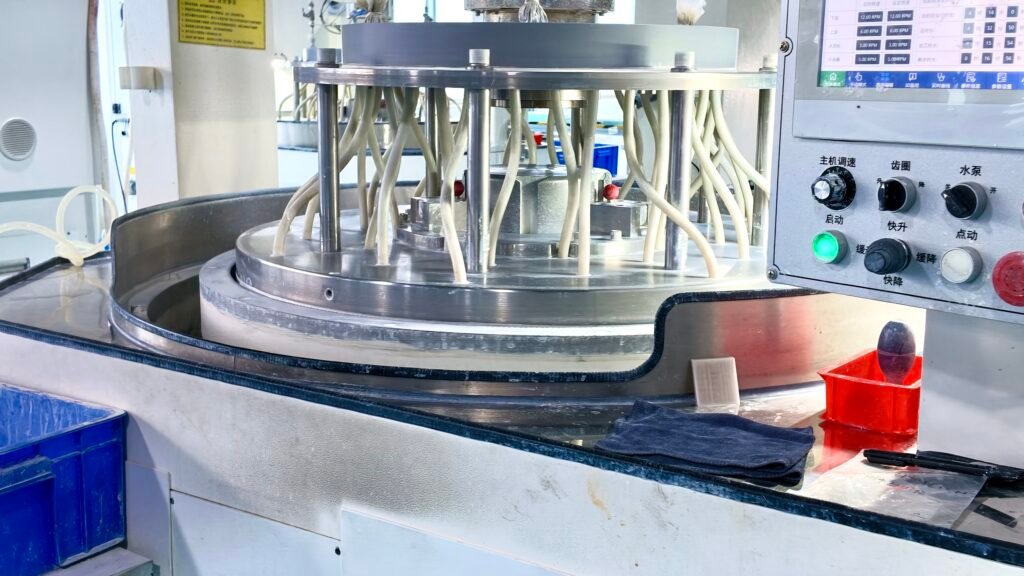
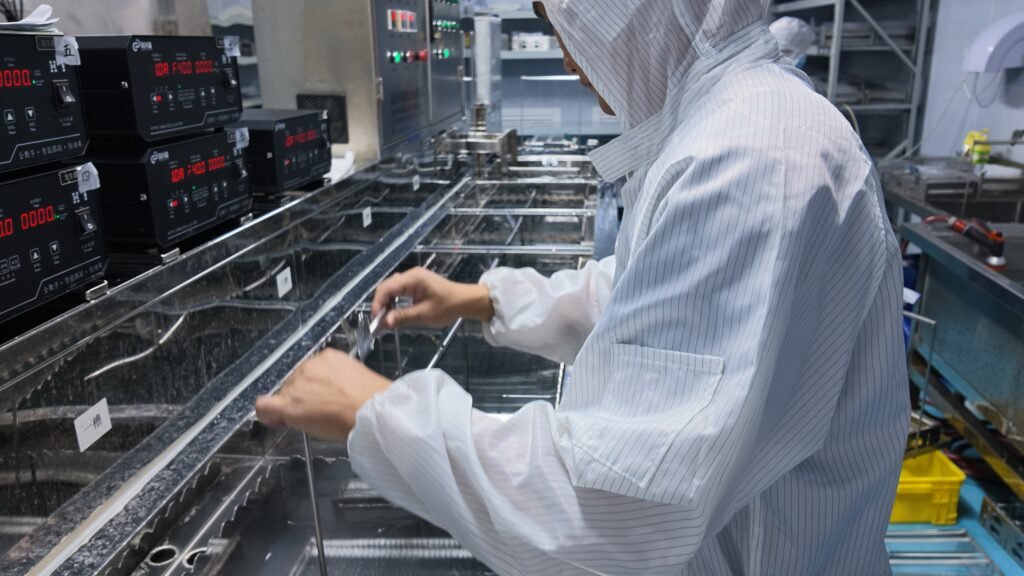
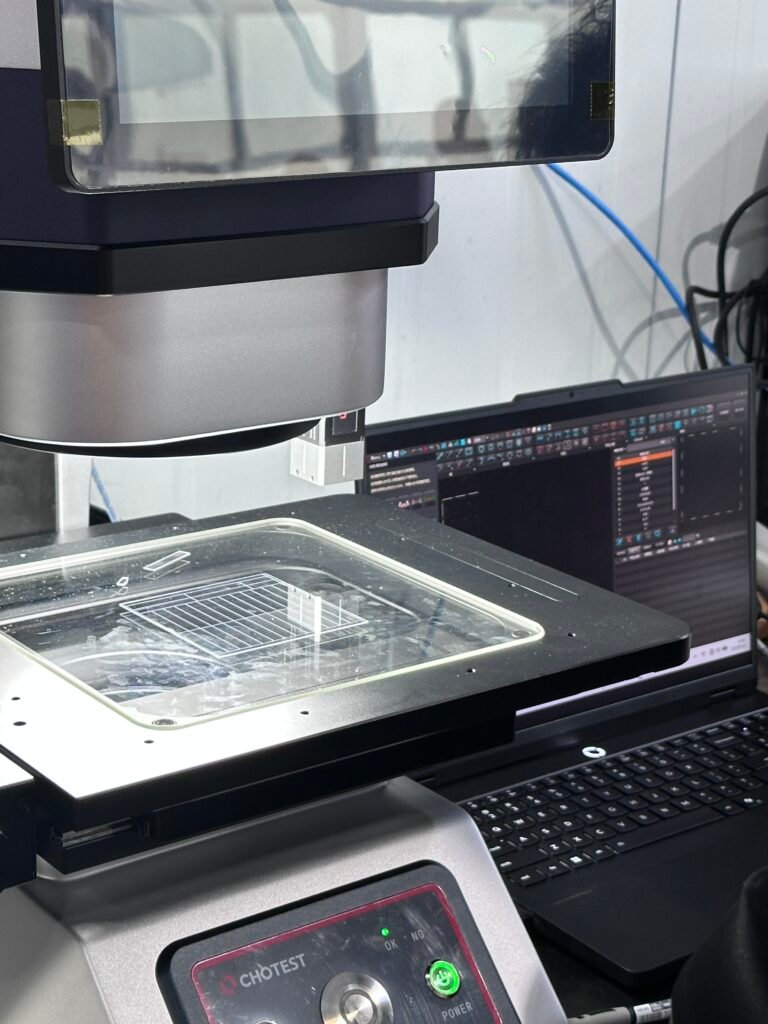
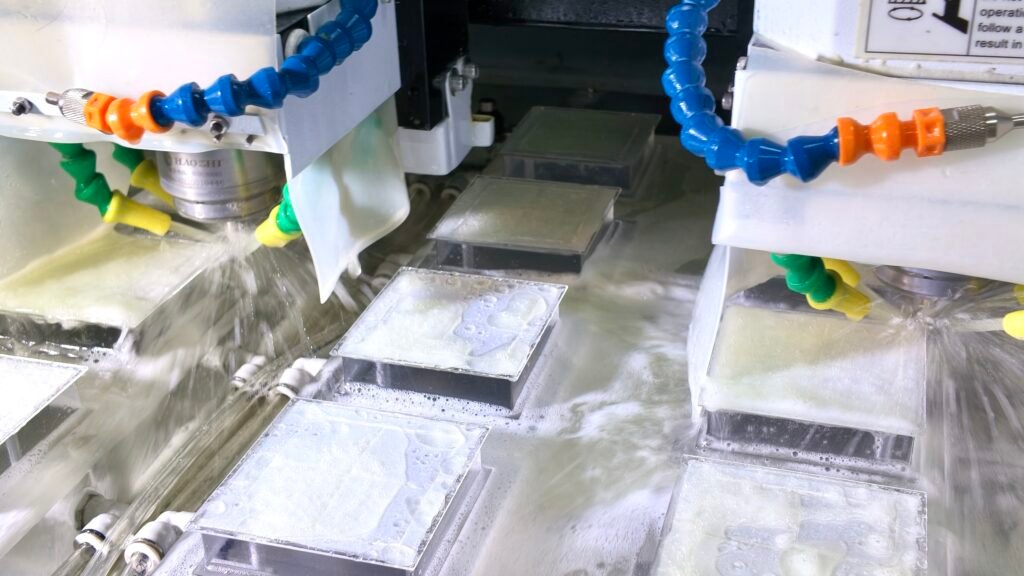
Alkali-free glass precision processing and clean inspection
Thin-sheet cutting and dicingProcessing is planned around dimensions, thickness, edges and fixturing risk.
Lapping, polishing and geometric controlThe route is built around thickness, TTV, flatness, warpage and roughness.
Cleaning, inspection and clean packagingContact, cleaning and delivery methods are set by the thin-film, bonding or packaging requirements.
For enquiries, please provide outline, thickness, quantity, tolerances, edge style, surface grade, clean packaging, application and required lead time; include a drawing if available.
Typical Applications

Typical applications of alkali-free glass

The specific material choice must be confirmed against process temperature, alkali contamination, thermal matching, optical and electrical performance and downstream processes.

Display and touch backplanesThin-film transistors, display R&D and electronic glass substrates.
Thin-film and microelectronic devicesElectrodes, sensing, micro-heaters and functional thin-film structures.
Wafer-level carriers and lidsCarriers or packaging components requiring low alkali, insulation and dimensional consistency.
Precision R&D samplesMultiple thicknesses, small batches, custom outlines and clean-delivery validation.
Purchasing FAQ

Frequently asked questions about buying alkali-free glass

Is alkali-free glass completely free of alkali metals?

"Alkali-free" usually means alkali metal content is strictly controlled rather than absolutely zero; the exact content is governed by the data sheet of the chosen material.

Which brand does this page cover?

This page covers an unbranded material category. Once a specific grade is fixed, we will state its origin and data in the quotation or specification document.

Why pay attention to the strain point and process temperature?

Thin-film deposition or heat treatment can cause deformation, shrinkage or stress changes in the glass, so the thermal parameters of the specific material must be matched.

Can you supply low TTV and clean packaging?

We can evaluate this; capability depends on dimensions, thickness, process route, measurement method and cleanliness requirements.

What information is needed for an enquiry?

Please provide process temperature, dimensions, thickness, quantity, TTV, warpage, surface, particle or ionic limits and packaging requirements.

Send us your alkali-free glass process, geometric and cleanliness requirements

Based on the actual material and downstream process, we assess cutting, lapping and polishing, cleaning, inspection and packaging as one set.