LIGHTINGOptical Glass · Precision Processing
Contact Us中文 / English⌕
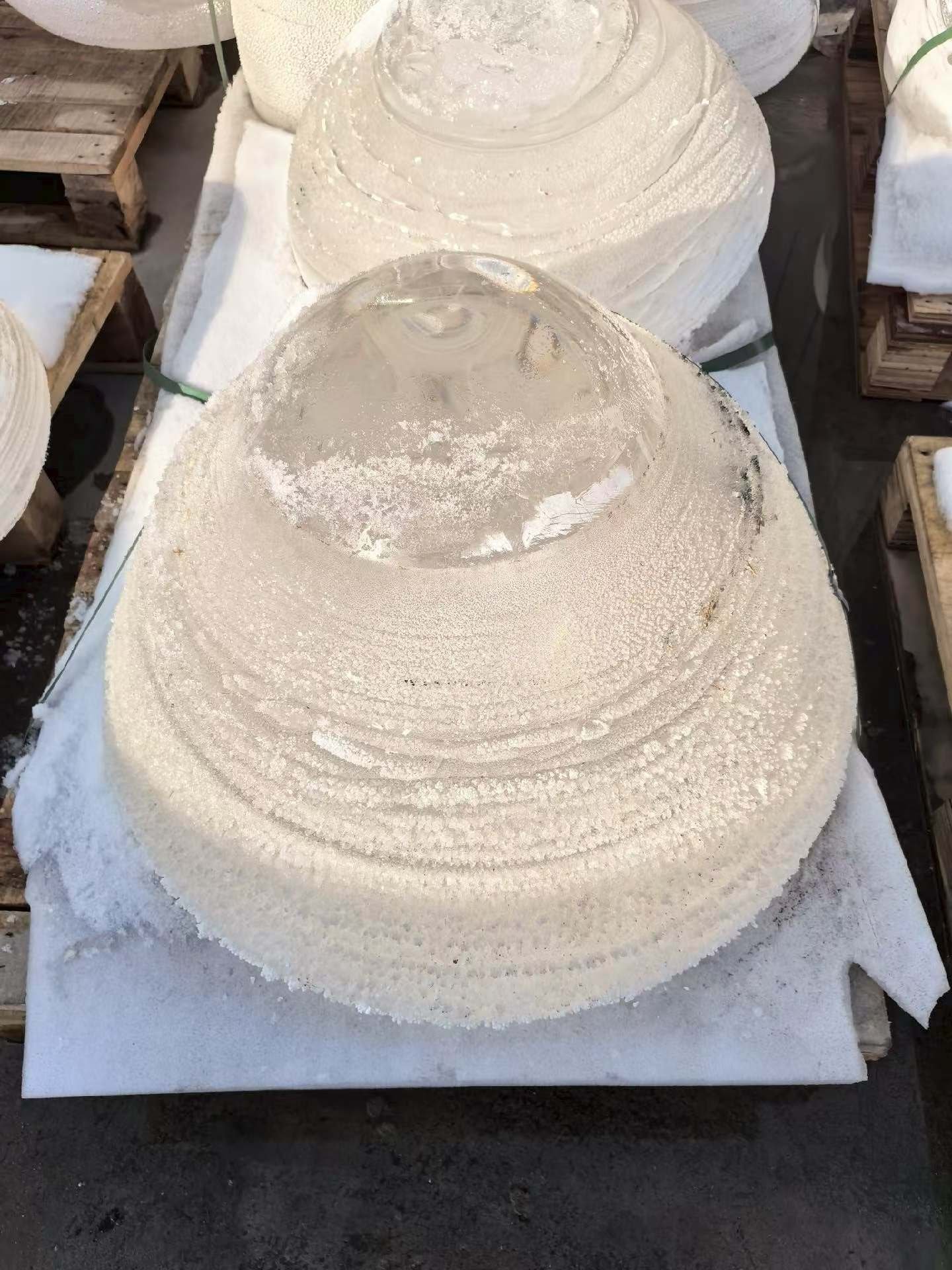
Fused quartz glass thin sheets and optical substrates
FUSED SILICA / QUARTZ

Fused Silica Glass

Combining broad-spectrum transmission, low thermal expansion and high-temperature stability

For UV optics, laser windows, semiconductor equipment and high-temperature structural parts, the material grade and hydroxyl content must be selected according to the operating band and service environment.
Material Positioning

Determine the quartz material grade from operating band, thermal load and purity requirements

Fused silica is not a single specification; UV, IR, low-hydroxyl, high-purity and semiconductor applications have different raw material and inspection documentation requirements.

01Low thermal expansion

Dimensional change under thermal cycling is small, making it suitable for precision optics and high-temperature equipment.

02Broad-spectrum choice

The appropriate grade can be selected for UV, visible or near-infrared operating bands.

03High purity and temperature resistance

Suited to projects sensitive to metal impurities, outgassing, thermal stability or clean delivery.

Material Introduction

From material grade to inspectable quartz glass components

Fused quartz glass is based on amorphous silicon dioxide and offers low thermal expansion, good optical transmission and high-temperature resistance. Different manufacturing routes affect hydroxyl content, impurities, bubbles, striae and spectral behaviour.

Enquiries should specify the operating band, thermal environment, dimensions and thickness, surface quality, edge form and cleanliness requirements. For vacuum, laser or semiconductor scenarios, coating, bonding, particle or trace-element limits should also be stated.

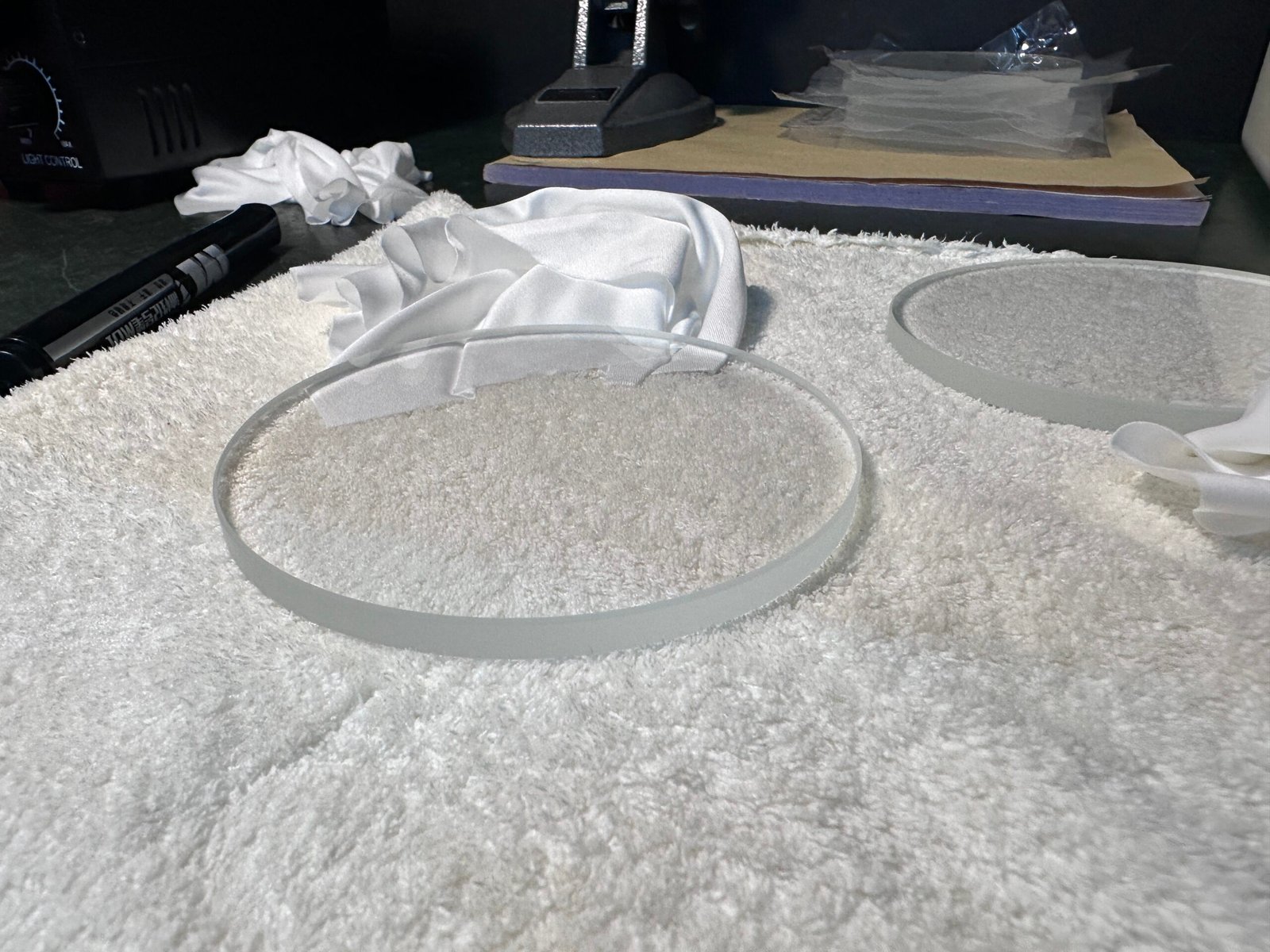
Fused quartz glass material surfaces
Material Data Sheet

Typical Performance Parameters of Fused Quartz Glass

Material compositionHigh-purity amorphous SiO₂; exact purity and hydroxyl content confirmed by grade
Density2.201 g/cm³
Young's modulus / shear modulus72.7 / 31.4 GPa
Poisson's ratio0.16
Knoop hardness522 kg/mm²(100 g)
Softening point / annealing point / strain point1585°C / 1042°C / 893°C
Thermal conductivity1.30 W/(m·K)
Coefficient of thermal expansion (CTE)0.52 ppm/K(5–35°C);0.57 ppm/K(0–200°C)
Hydroxyl and impuritiesVaries with manufacturing grade; to be confirmed per project
Stress birefringenceConfirmed against the optical grade and measurement conditions
The above are typical reference values from available documentation and do not represent all fused quartz grades. Formal performance, spectra, hydroxyl, impurities and acceptance conditions are governed by the data sheet of the selected grade and specifications confirmed by both parties.
Supply Specifications

Fused quartz wafers, windows and custom components

Sheet source, grade, dimensions and thickness are confirmed against the application, drawing and stock.

Typical formsWafer / window / rectangular substrate / custom part
Dimensions and thicknessConfirmed against the drawing and available sheet
Optical grade

UV, visible, near-infrared and low-hydroxyl directions selected per project

Geometric metrics

Outline, thickness, TTV, flatness, parallelism and chamfers confirmed against the drawing

Surface and cleanliness

Scratch/dig, Ra, subsurface damage, cleaning and packaging confirmed by application

Formal supply is governed by material documents, drawings, sample validation and specifications confirmed by both parties.

Material + Processing

From quartz sheet to optical, semiconductor and high-temperature components

Processing hard, brittle materials requires simultaneous control of edge defects, subsurface damage, dimensional consistency and cleanliness.

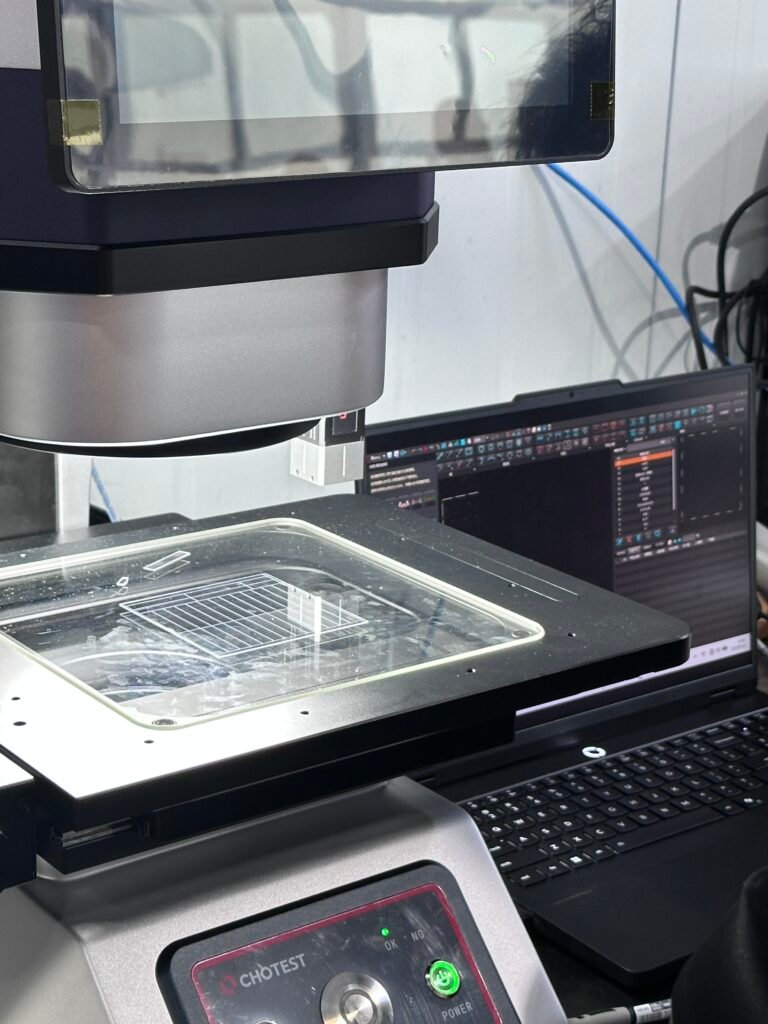
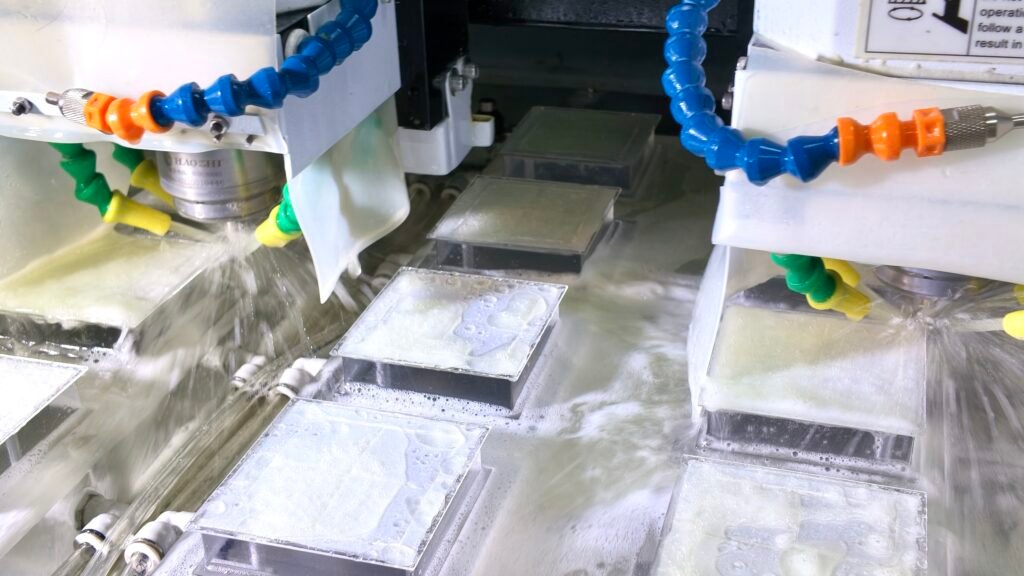
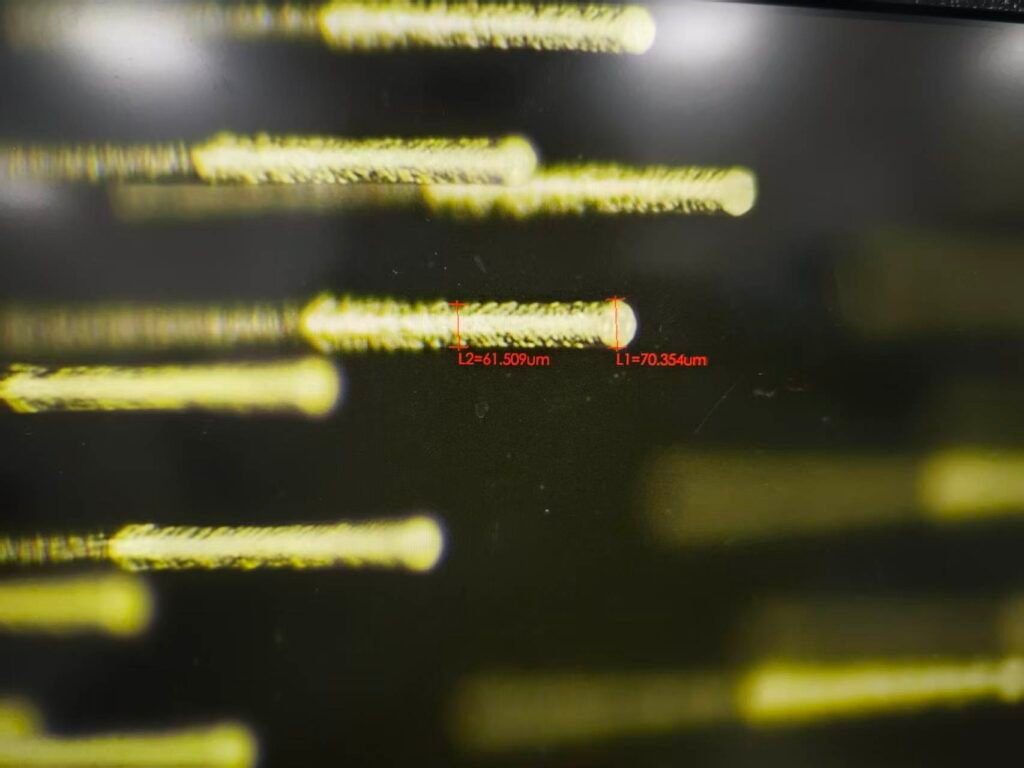
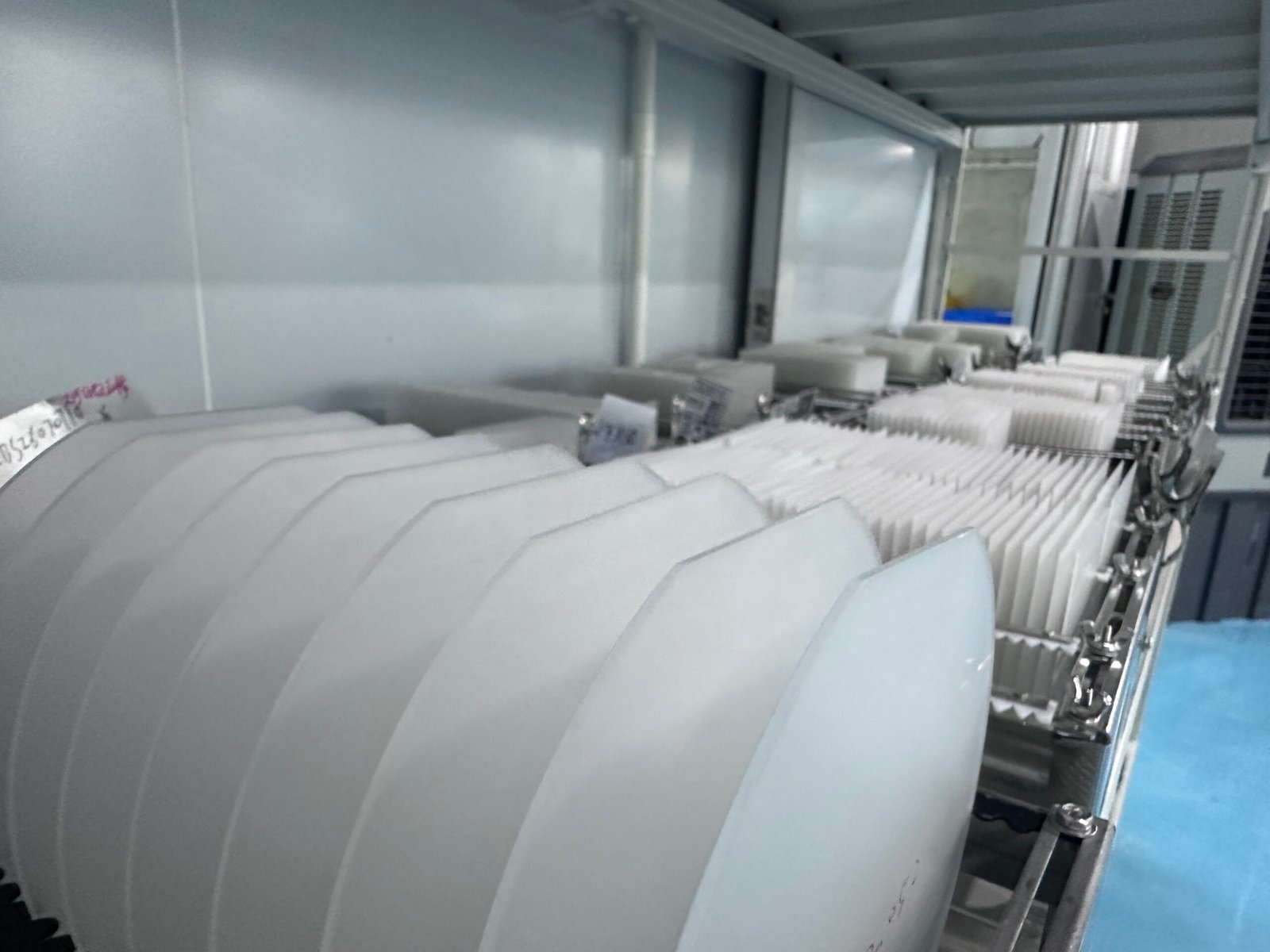
Fused quartz glass precision processing
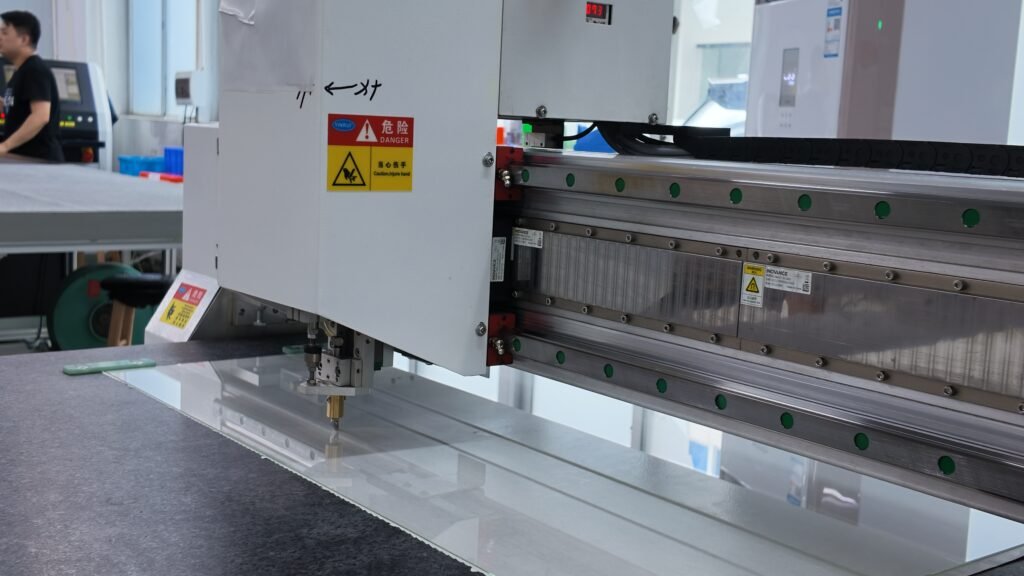
Precision cutting and formingWe support process evaluation for discs, rectangles, slots and holes, and custom outlines.
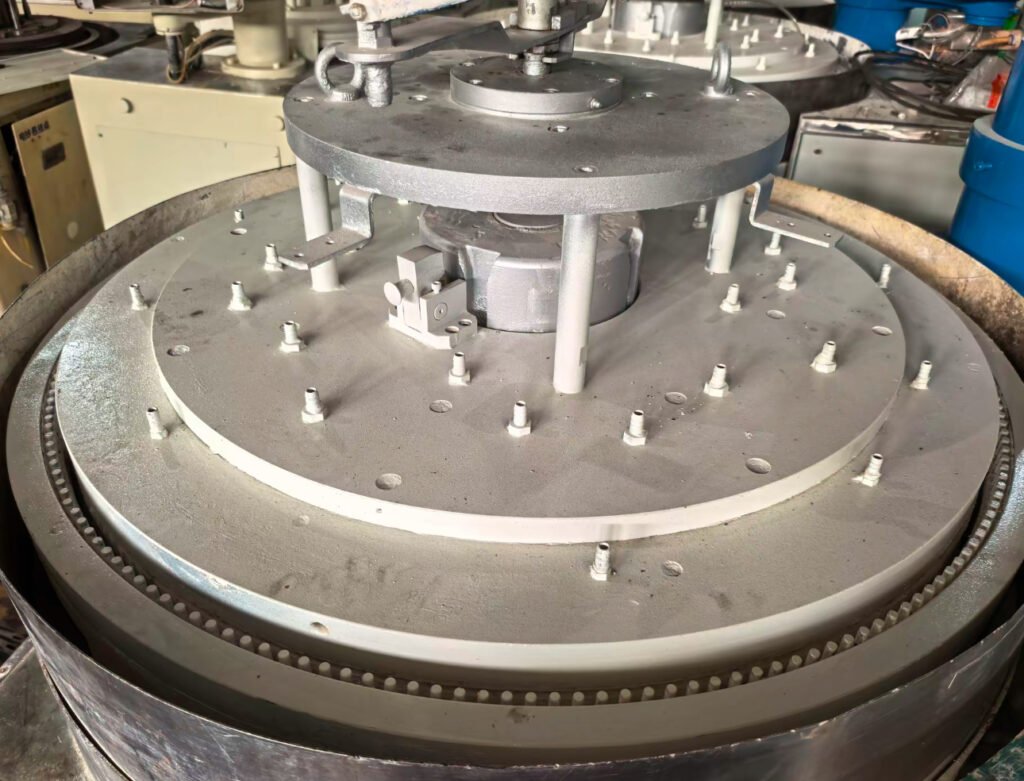
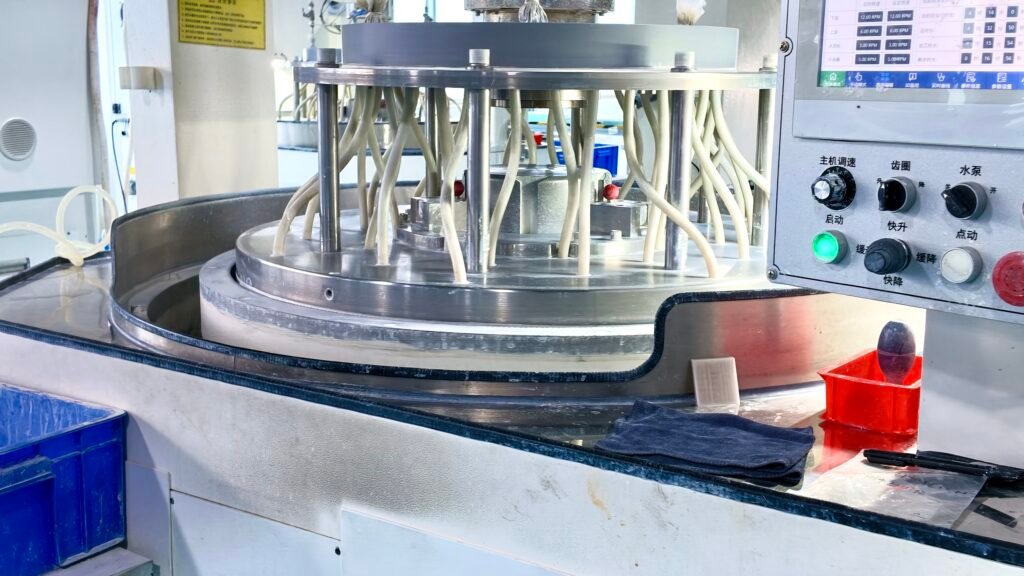
Lapping, polishing and surface controlThe route is planned by TTV, flatness, roughness and optical surface grade.
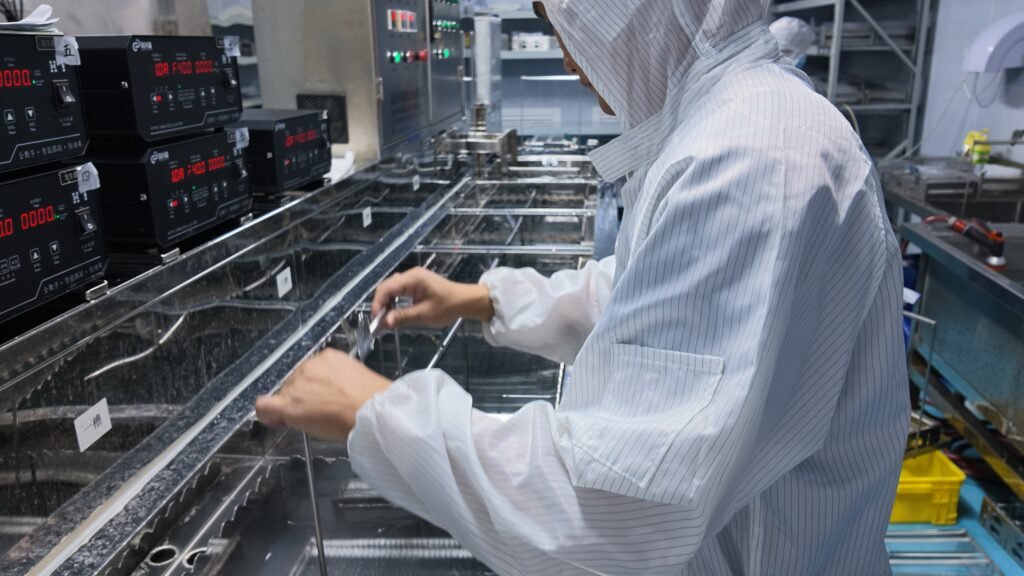
Cleaning, inspection and packagingDelivery can be confirmed against semiconductor, vacuum or optical use requirements.
For enquiries, please provide outline, thickness, quantity, tolerances, edge style, surface grade, clean packaging, application and required lead time; include a drawing if available.
Typical Applications

Typical applications of fused quartz glass

The material grade must be validated against the operating band, energy density, thermal load, atmosphere and downstream processes.

UV and laser opticsWindows, protective plates, beam delivery and inspection components.
Semiconductor equipmentWafer carriers, chamber viewing, thermal and clean structural components.
High-temperature viewing and laboratory equipmentHigh-temperature windows, lamps, furnace viewing and laboratory devices.
Precision sensing and measurementLow thermal expansion substrates, optical spacers and instrument structures.
Purchasing FAQ

Frequently asked questions about buying fused quartz glass

How does fused quartz differ from ordinary glass?

Fused quartz is based on high-purity SiO₂ and generally offers lower thermal expansion, higher temperature resistance and a wider choice of spectral range.

Is all quartz glass suitable for UV?

No. UV transmission depends on the manufacturing route, hydroxyl content, impurities and thickness, so the grade must be selected for the target band.

Can you process wafers and custom shapes?

We can assess wafers, rectangular sheets, round holes, slots and other outlines; actual capability depends on thickness, tolerances and surface requirements.

How are chipping and subsurface damage controlled?

Cutting, lapping, polishing, cleaning and inspection must be treated as one continuous flow, with permitted values stated on the drawing.

What information is needed for an enquiry?

Please provide the material grade or operating band, outline, thickness, quantity, tolerances, surface, edges, cleanliness and service environment.

Send us your fused quartz band, dimensions and processing requirements

We assess supply and precision processing against the service environment, material grade, drawing and inspection conditions.