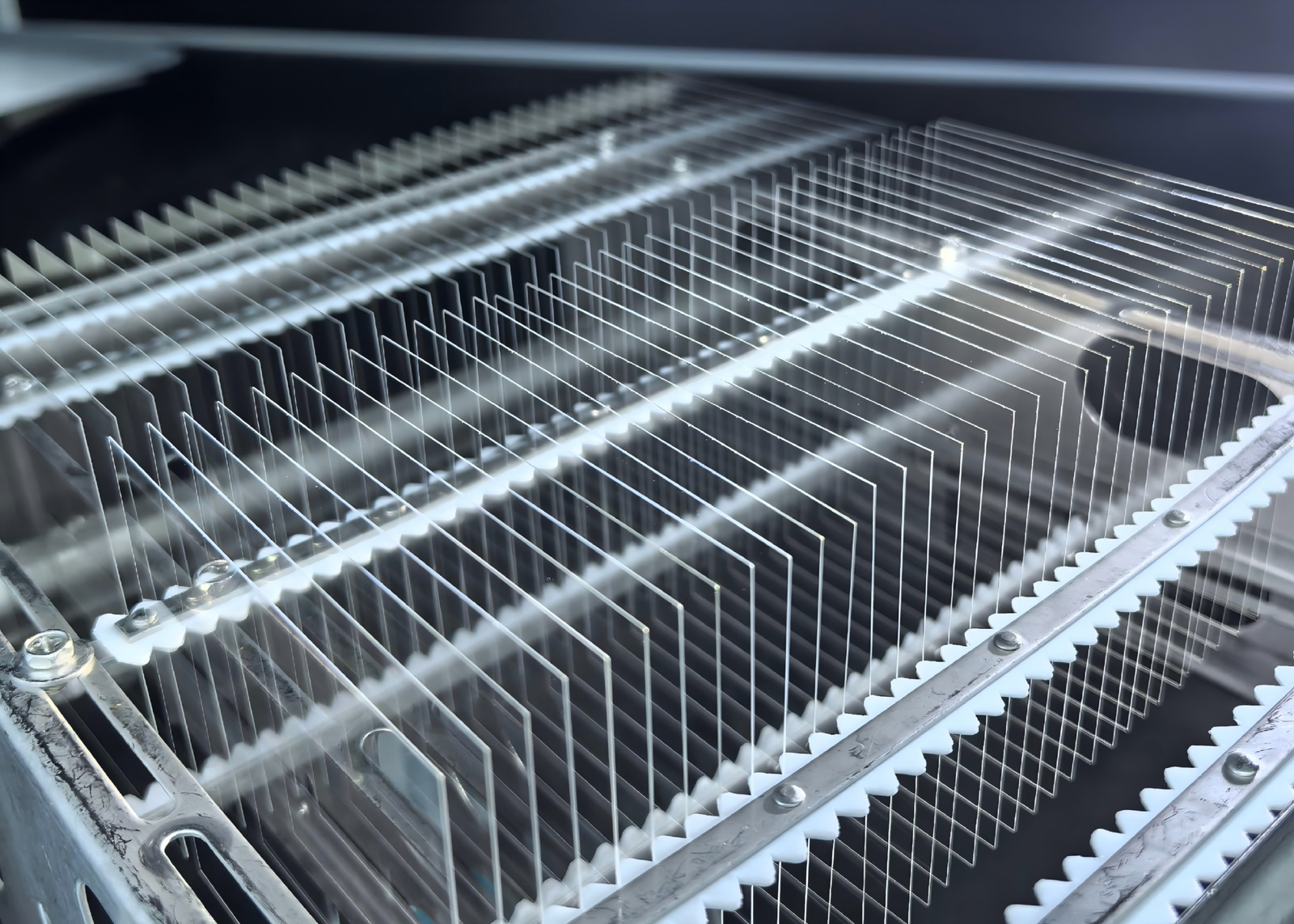
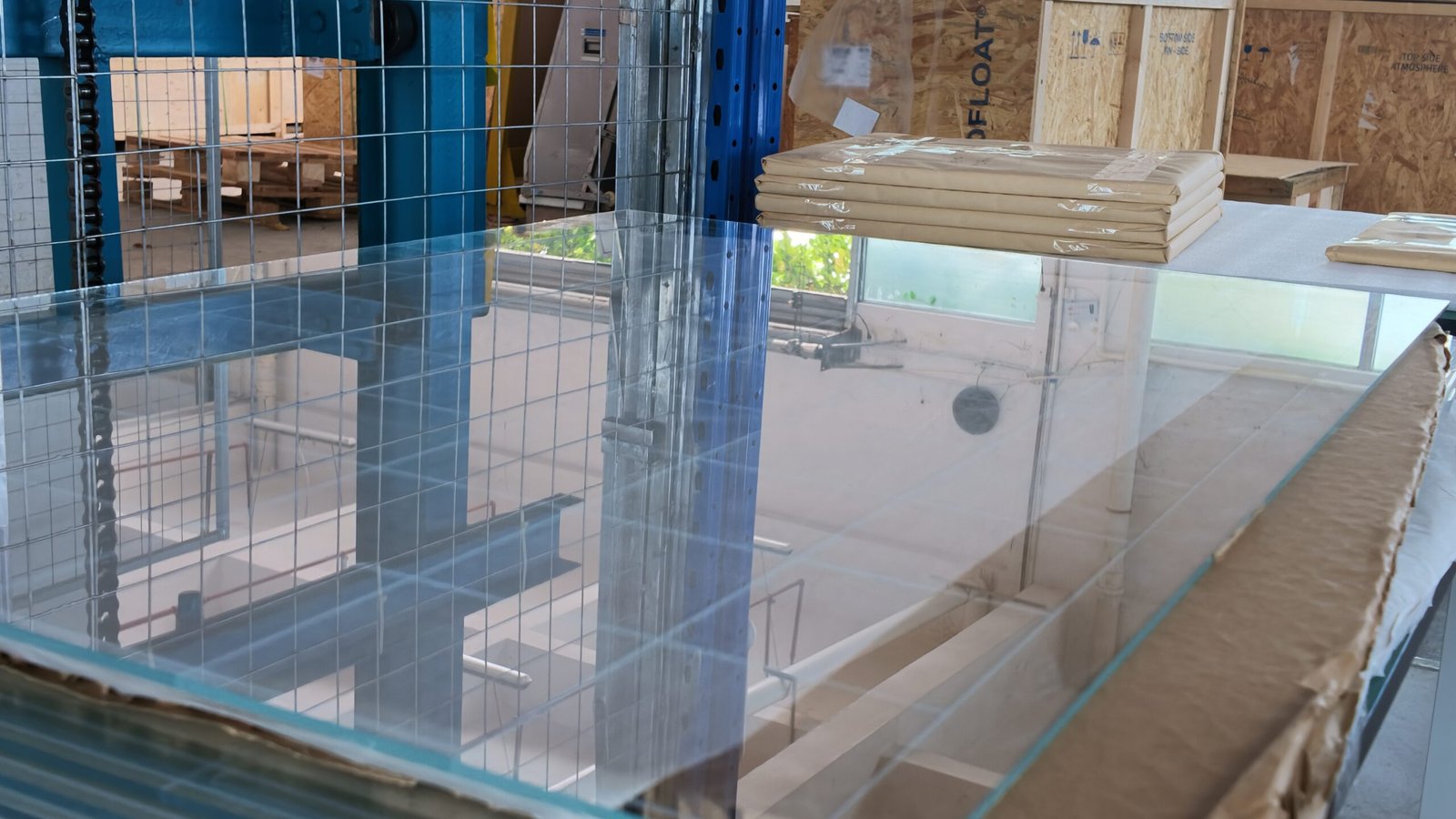
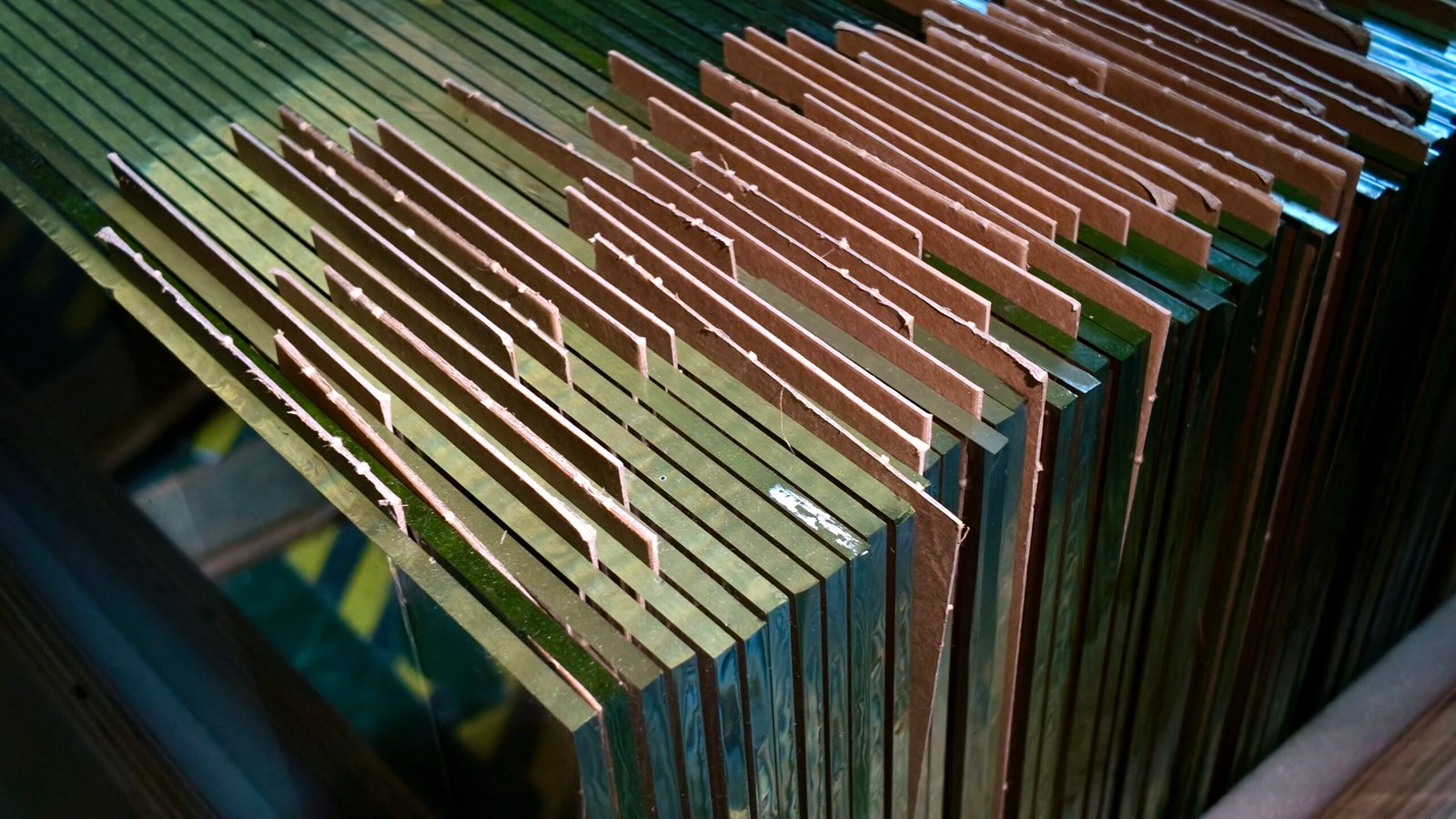
German SCHOTT micro-float type 3.3 borosilicate flat glass. Standard sheet size 1,150 × 850 mm, with original manufacturer material certificates and batch traceability documents available per project.
Guangzhou Lighting Glass Co., Ltd. is a preferred partner of SCHOTT in China and an official BOROFLOAT® distributor, supplying genuine BOROFLOAT® 33 to R&D, equipment manufacturing and volume purchasing projects. Original manufacturer material certificates and batch traceability documents are available per project.
Genuine materialMaterial certificates and batch traceability are supported, with a clear sourcing trail.Build-to-print processingSheet, cut-to-size and precision parts can all be assessed against the drawing.Prototyping and volumeWe support R&D prototyping, small-batch validation and stable volume delivery.
BOROFLOAT® 33 Material Characteristics
BOROFLOAT® 33 is produced with SCHOTT's micro-float process and combines relatively low thermal expansion, high visible-light transmission, good chemical stability and mechanical durability. Float sheet has a stable flat form, making it suitable for viewing windows, optical supports, laboratory components and industrial equipment windows.
Material selection requires confirming operating temperature, wavelength band, thickness, outline and surface requirements together. At the material purchasing stage we can assess cutting, hole positions, edges, lapping and polishing, cleaning and inspection in parallel, reducing later process rework.
Refractive index nd = 1.471 (587.6 nm); Abbe number νe = 65.41; dispersion nF − nC = 71.4 × 10⁻⁴
Transmission band
Approximately 250–2,800 nm; actual transmission varies with thickness and wavelength
Stress-optical coefficient
4.0 × 10⁻⁶ mm²/N
Coefficient of thermal expansion (CTE)
3.25 × 10⁻⁶ K⁻¹(20–300°C)
Specific heat capacity
0.83 kJ/(kg·K)(20–100°C)
Thermal conductivity
1.2 W/(m·K)(90°C)
Glass transformation temperature Tg
525°C
Maximum operating temperature
Long-term use (≥10 hours) 450 °C; short-term use (<10 hours) 500 °C
Density
2.23 g/cm³(25°C)
Young's modulus
64 kN/mm²
Poisson's ratio
0.20
Knoop hardness
480(HK0.1/20)
Water resistance
HGB 1(ISO 719 / DIN 12111);HGA 1(ISO 720)
Acid resistance
Class 1 (DIN 12116)
Alkali resistance
A 2(ISO 695 / DIN 52322)
The values above are typical or reference values from SCHOTT's published technical documentation and are not guaranteed values for finished parts; project acceptance is governed by the material certificate of the purchased batch and the drawing and specification confirmed by both parties.
Purchasing Specifications
BF33 sheet specifications and available thicknesses
Specifications presented together so purchasing and engineering staff can confirm them quickly.
All thicknesses above are in mm. Stock quantity, tolerances, cut sizes and lead times are confirmed at the enquiry stage.
BOROFLOAT® 33 sheet thickness display
Material + Processing
From BF33 sheet to assembly-ready glass parts
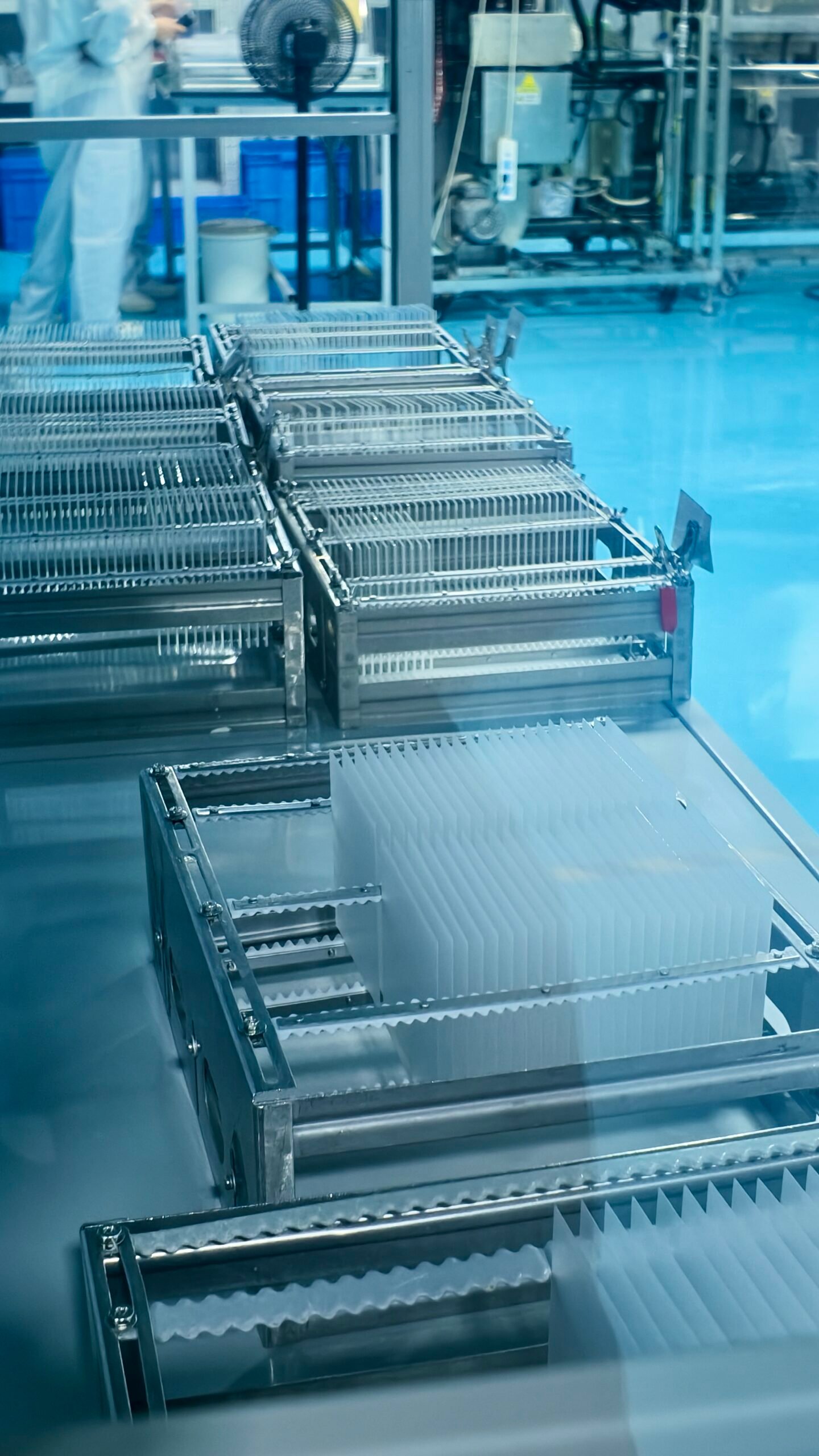
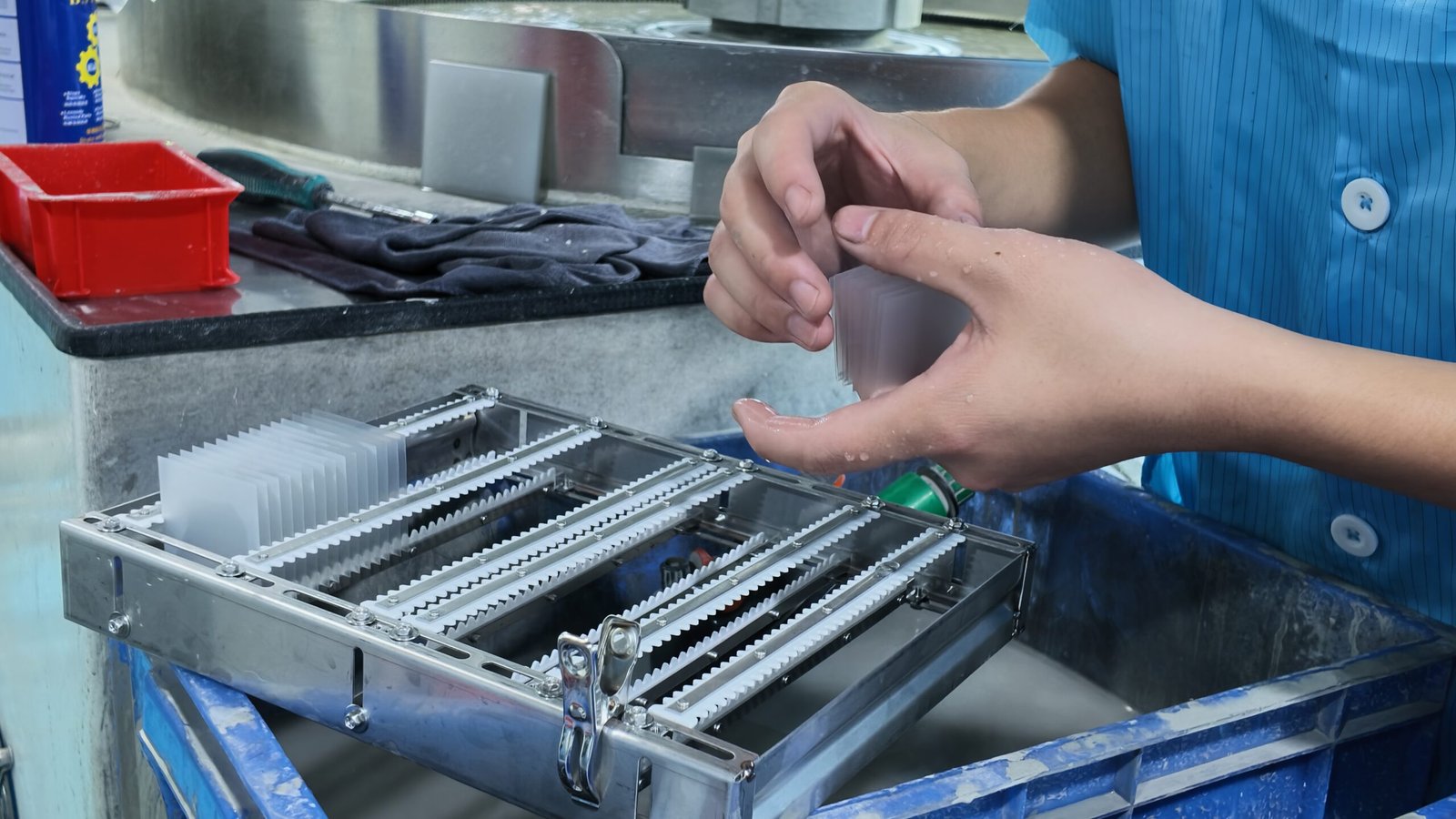
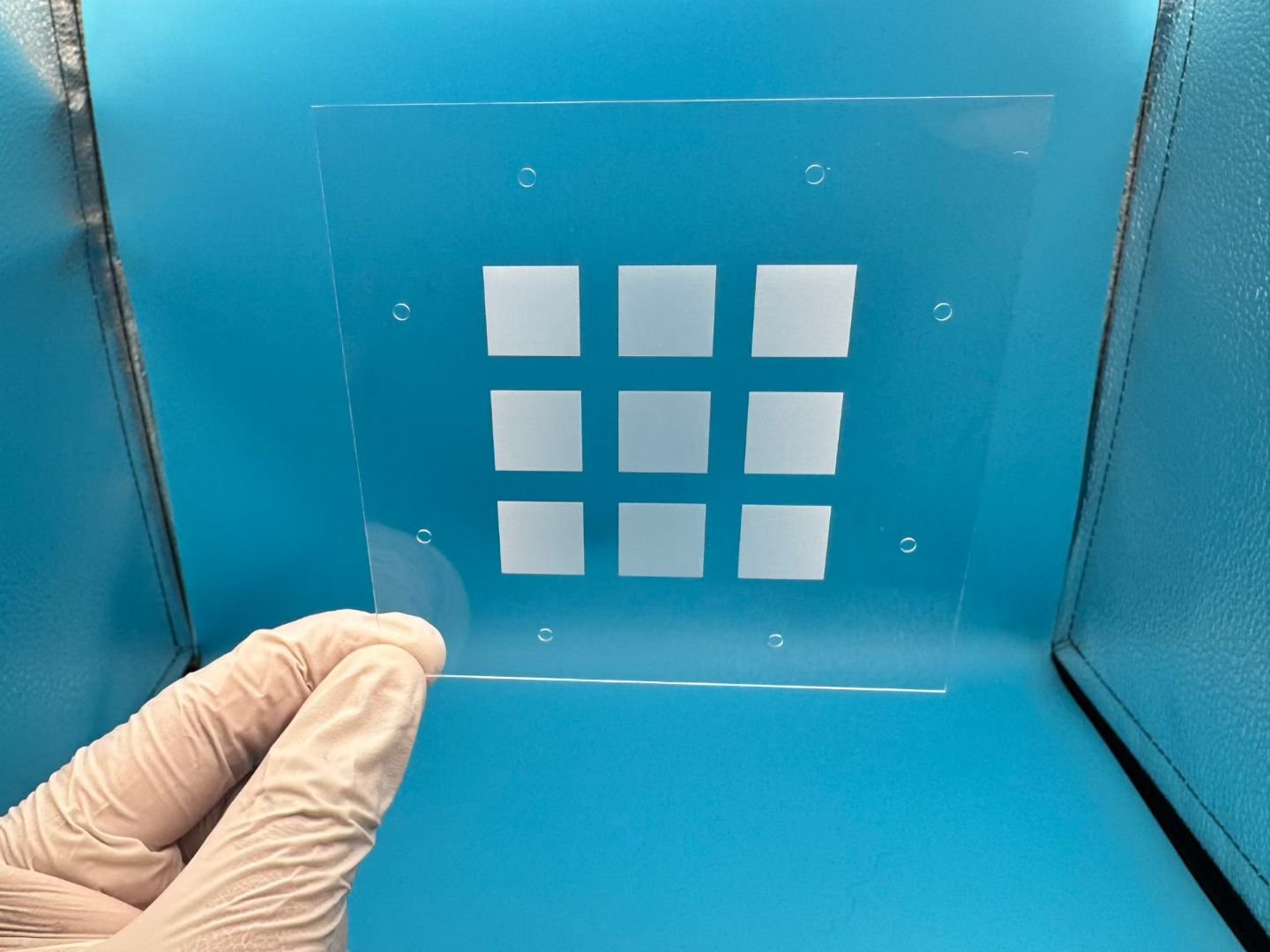
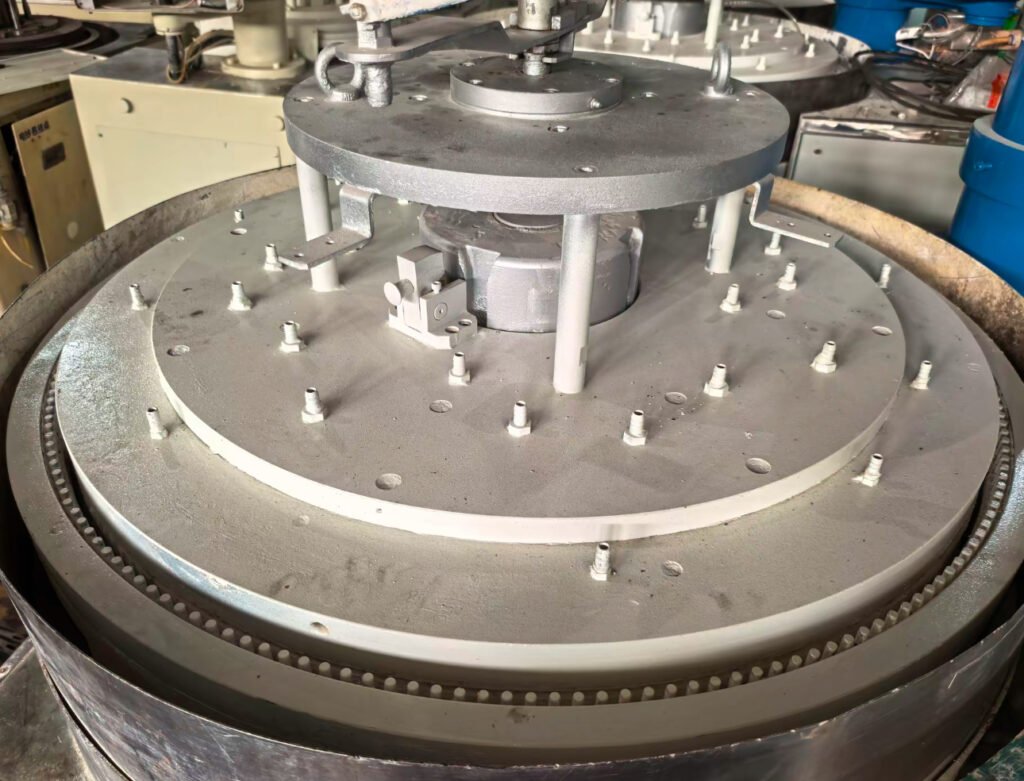
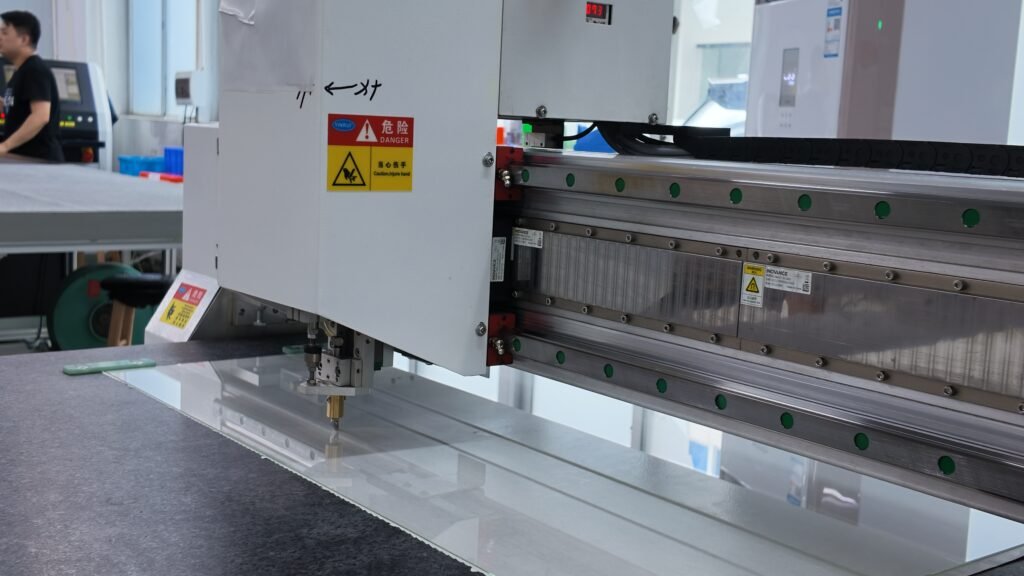
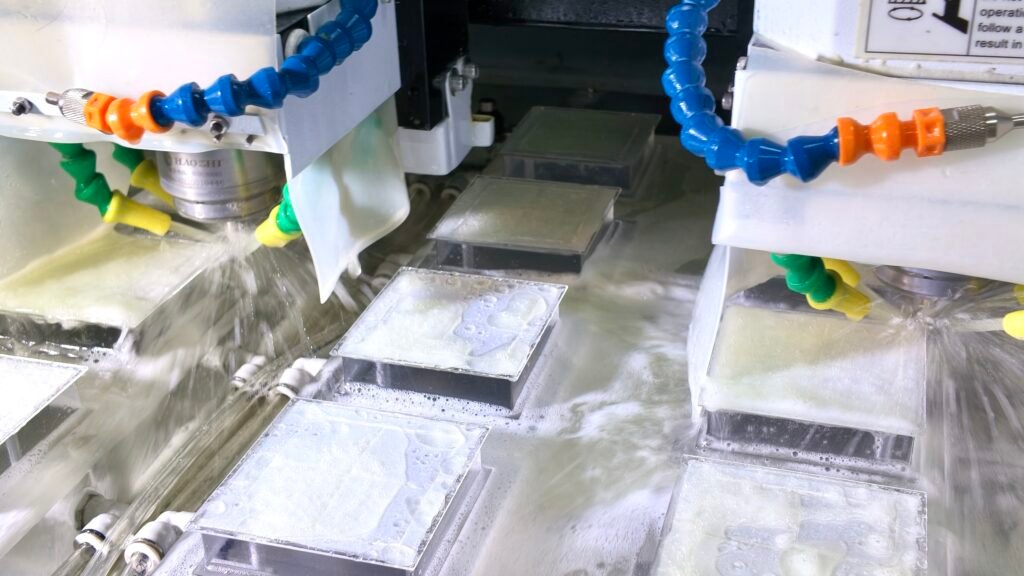
Beyond material supply, we can provide precision glass cutting, CNC cutting, waterjet cutting, CNC engraving, drilling, profile edge grinding, glass wafer processing, lapping and double-sided polishing to drawing, together with cleaning and dimensional and appearance inspection.
We plan the glass cutting route around dimensions, datums, edge condition and downstream operations, reviewing outline, cutting allowance and delivery requirements against the drawing.
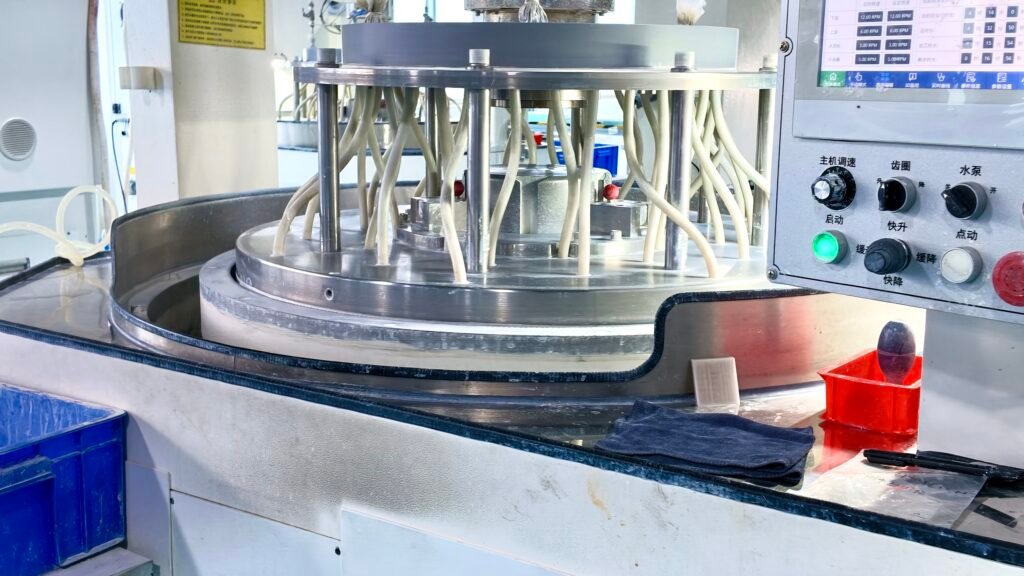
Grinding and polishing operations are arranged around thickness, parallelism, flatness and surface requirements, with the process route and inspection method confirmed per project.
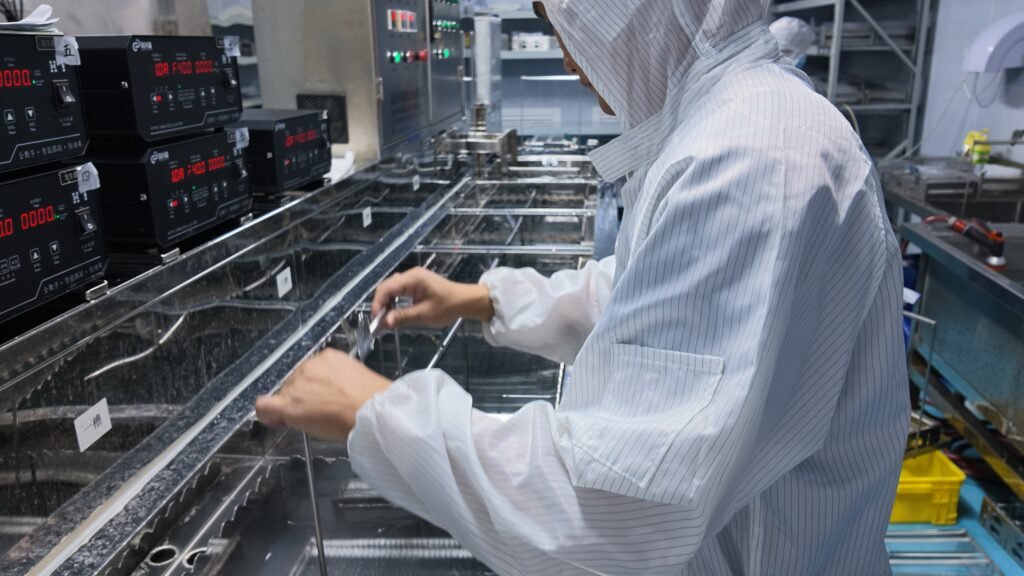
We control particles, residues and water marks after processing, and confirm cleaning, handling and packaging requirements against coating, bonding or assembly needs.
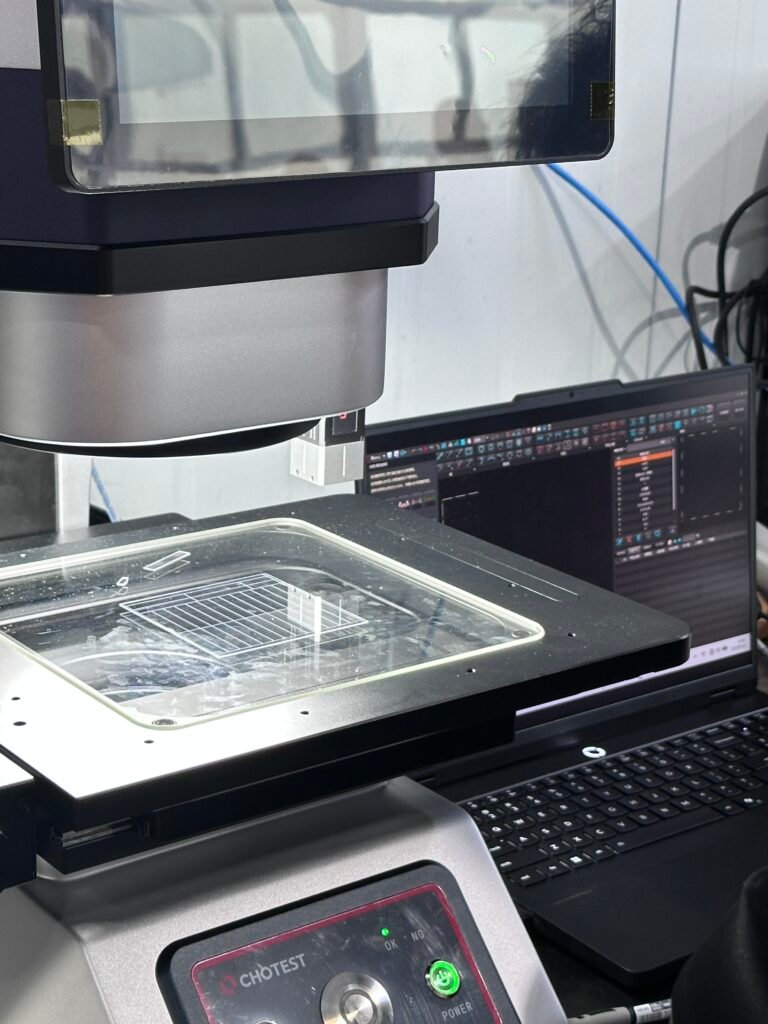
Glass dimensions, edges and surfaces are inspected against the drawing and the agreed acceptance items, with inspection methods, sampling scope and delivery records defined.
We address sharp edges and local edge defects after cutting, confirming edge grinding and chamfer styles and edge acceptance criteria against assembly requirements.
Selection still needs to consider temperature variation, load, optical band, chemical environment and downstream processing requirements.
Industrial viewing windowsEquipment sight glasses, furnace viewing and transparent windows requiring thermal shock resistance.Optical and sensing structuresOptical supports, cover plates, protective windows and structural parts needing a stable flat sheet.Laboratory glass componentsSample stages, reaction viewing windows and components for chemically demanding environments.Precision substrates and packagingPrecision glass substrates for optical communications and sensors, processed to drawing.
Purchasing FAQ
Frequently asked questions about buying BF33
Can you provide an original manufacturer material certificate for BF33?
Yes. Genuine BF33 material can be supplied with a material certificate and batch traceability documents per purchasing project; the exact documents are confirmed with the ordered specification and batch.
Which thicknesses of BF33 are available?
Thicknesses currently available on request span 0.40–25.40 mm, covering the 28 thicknesses listed on this page. Stock quantity, standard sheet sizes, tolerances and lead times are confirmed item by item by thickness.
Do you support small-batch BF33 prototyping?
Yes — R&D prototyping, small-batch validation and volume delivery. Please provide the material grade, dimensions, quantity and key acceptance requirements so we can assess material yield and process route.
Can BF33 be precision processed to drawing?
Yes. We can assess cutting, CNC engraving, drilling, profile edge grinding, wafer processing, lapping, double-sided polishing, cleaning and inspection.
What information is needed for an enquiry?
Please provide thickness, length and width or outline, quantity, tolerances, hole positions, edge condition, surface quality, clean packaging, application and required lead time; include a drawing if available.
Put the material specification and processing requirements in one enquiry
Provide the material grade, dimensions, quantity and key acceptance items, and we will match cutting, polishing, cleaning and inspection to the material's characteristics.